Orchids of Sardinia
The second-largest Mediterranean island after Sicily, owing to the wide variety of habitats packed into its unspoiled and beautiful interior, Sardinia has been metaphorically described as a micro-continent. Also widely known as the ‘Jewel of the Mediterranean’, the island boasts a treasure-chest of special orchids, and must be considered one of Europe’s most orchid-rich destinations, home to some marvelous endemic and near-endemic species. This unique and exclusive tour aims to share the best of them with our guests, accompanied by a dream team of leading Italian biologist Michele Viganò, and Orchid Summer author and seasoned European orchid-hunter Jon Dunn.
Our week exploring Sardinia, in the enthusiastic, genial, and knowledgeable company of Michele and Jon will be a joy from start to finish, as we will take our time to wander orchid-hunting in a wide range of habitats, maximizing not only our chances of encountering at length the special species for which the island is justly famous, but also enjoying the spectacle of the sheer numbers of many species. We anticipate seeing over 30 species, many in great profusion, and of course will keep a keen eye open for hybrids too…
Sardinia is famous for its spectacular scenery and archaeological remains, so the backdrop to our orchid-hunting will invariably be as beautiful as the flowers themselves. We will see a great many Bronze Age nuraghe stone towers on our travels – these there some 7,000 surviving examples of these 3,000 year old defensive towers built by the ancient Nuraghic civilization on the island. Furthermore, there are over 800 contemporaneous burial sites on the island, these ‘giant’s tombs’ considered to include in their number some of the finest megalithic structures in Europe.
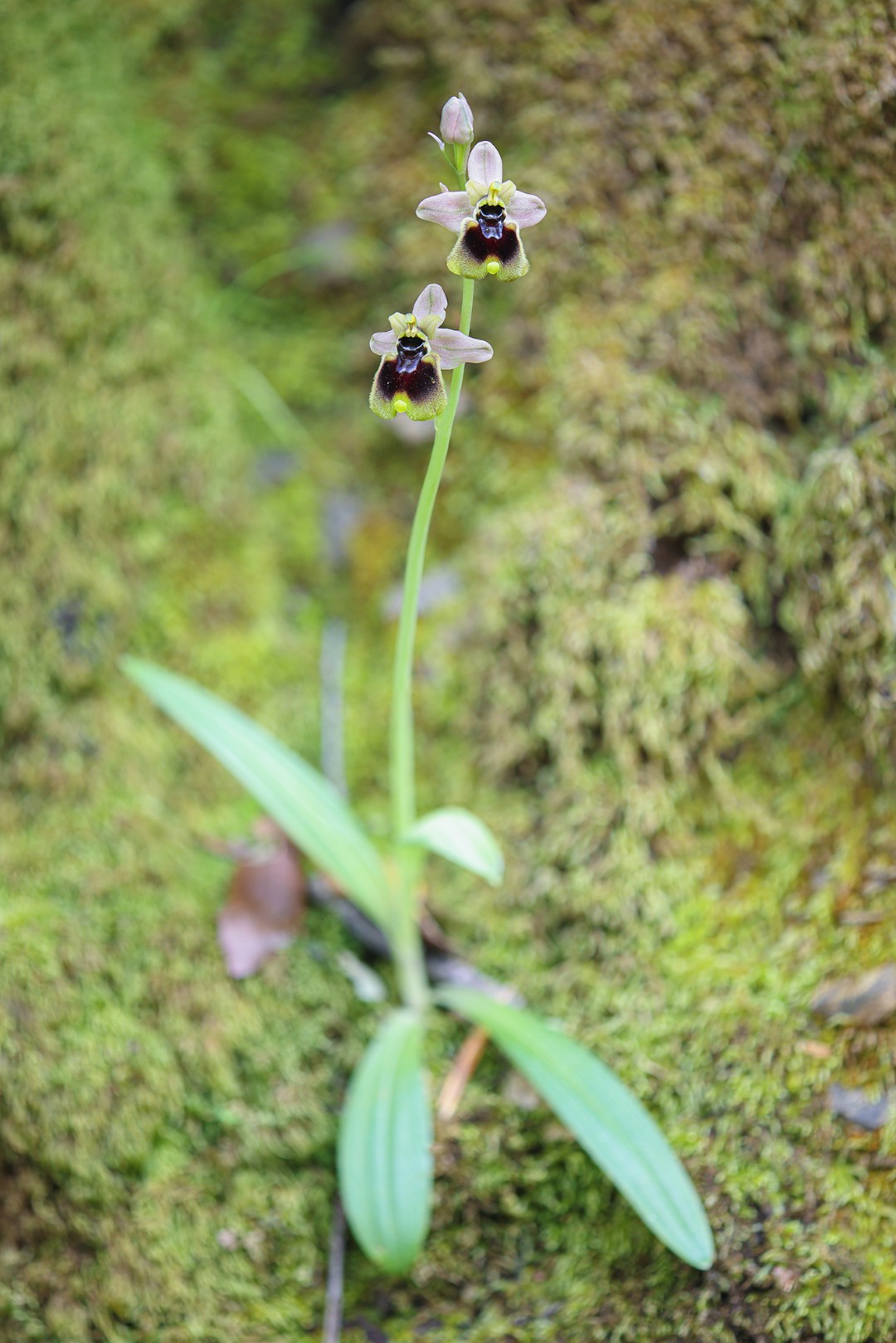
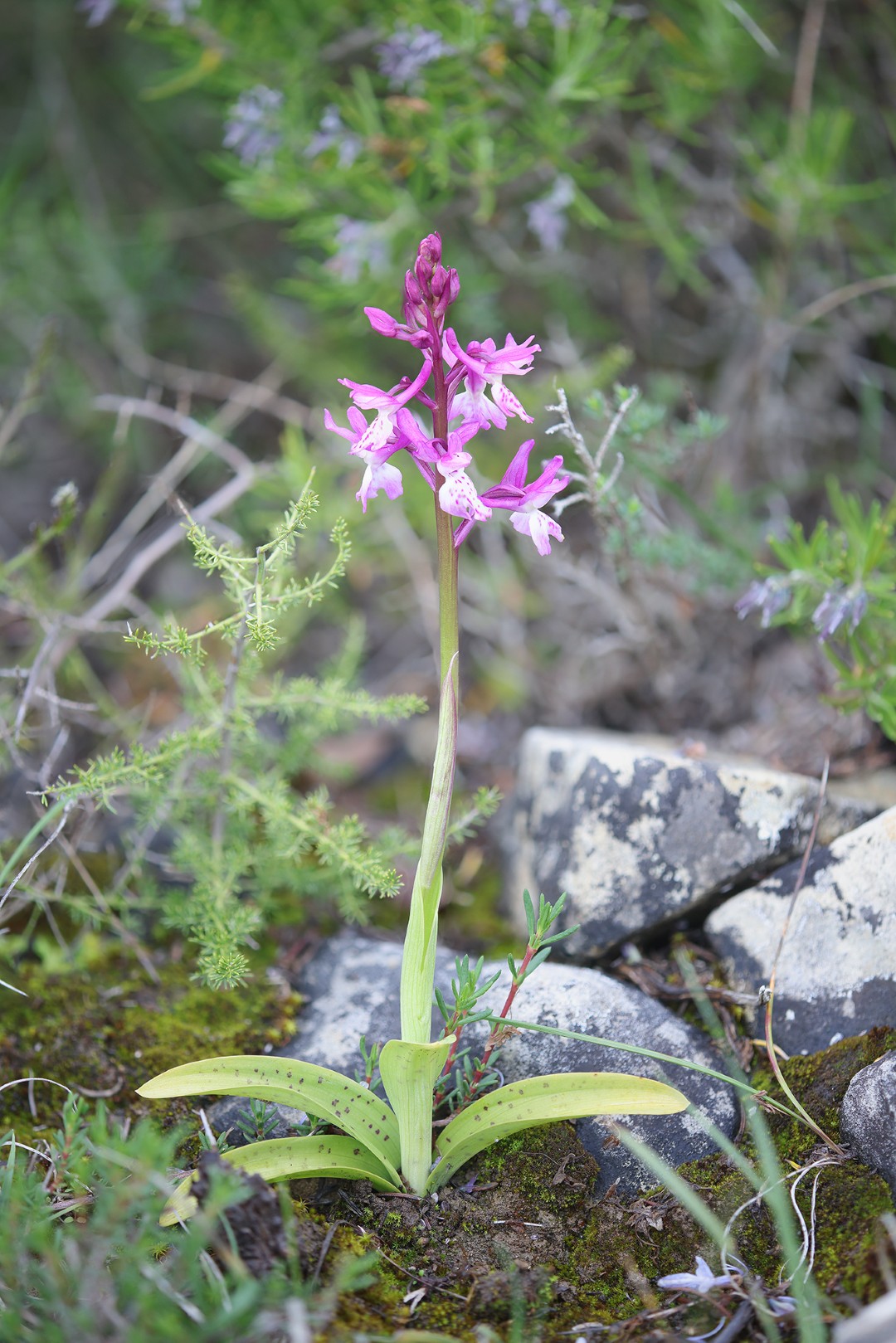
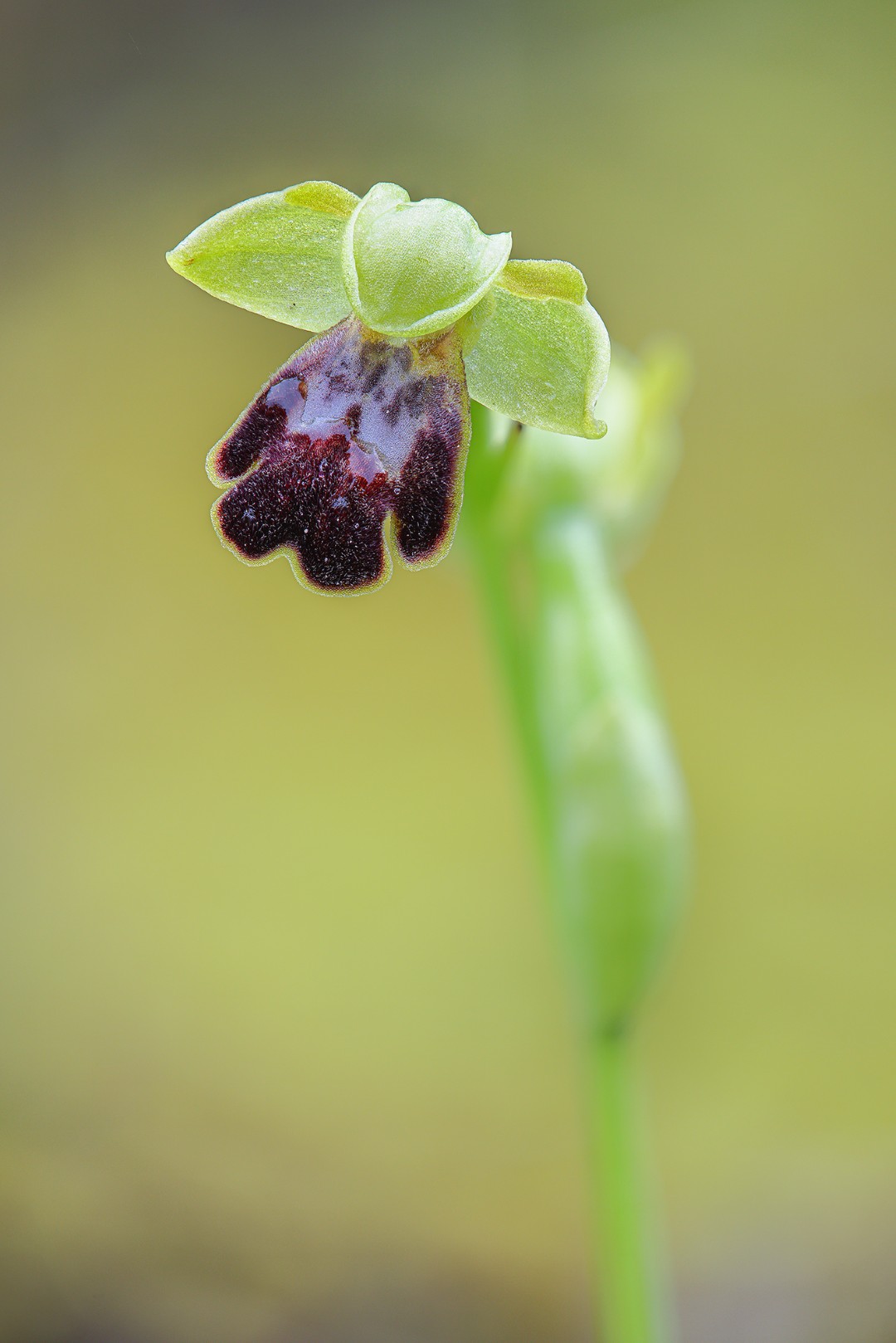
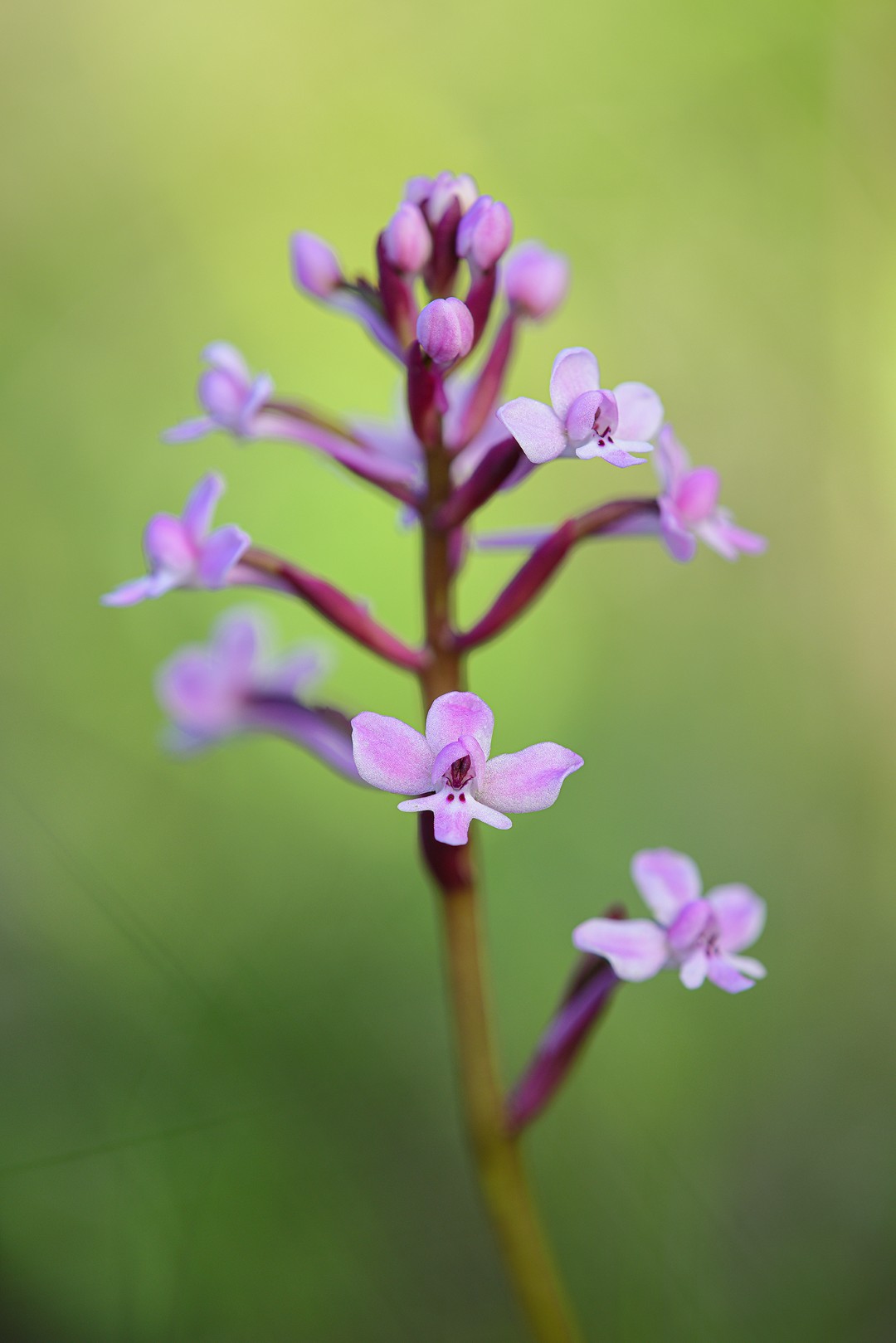
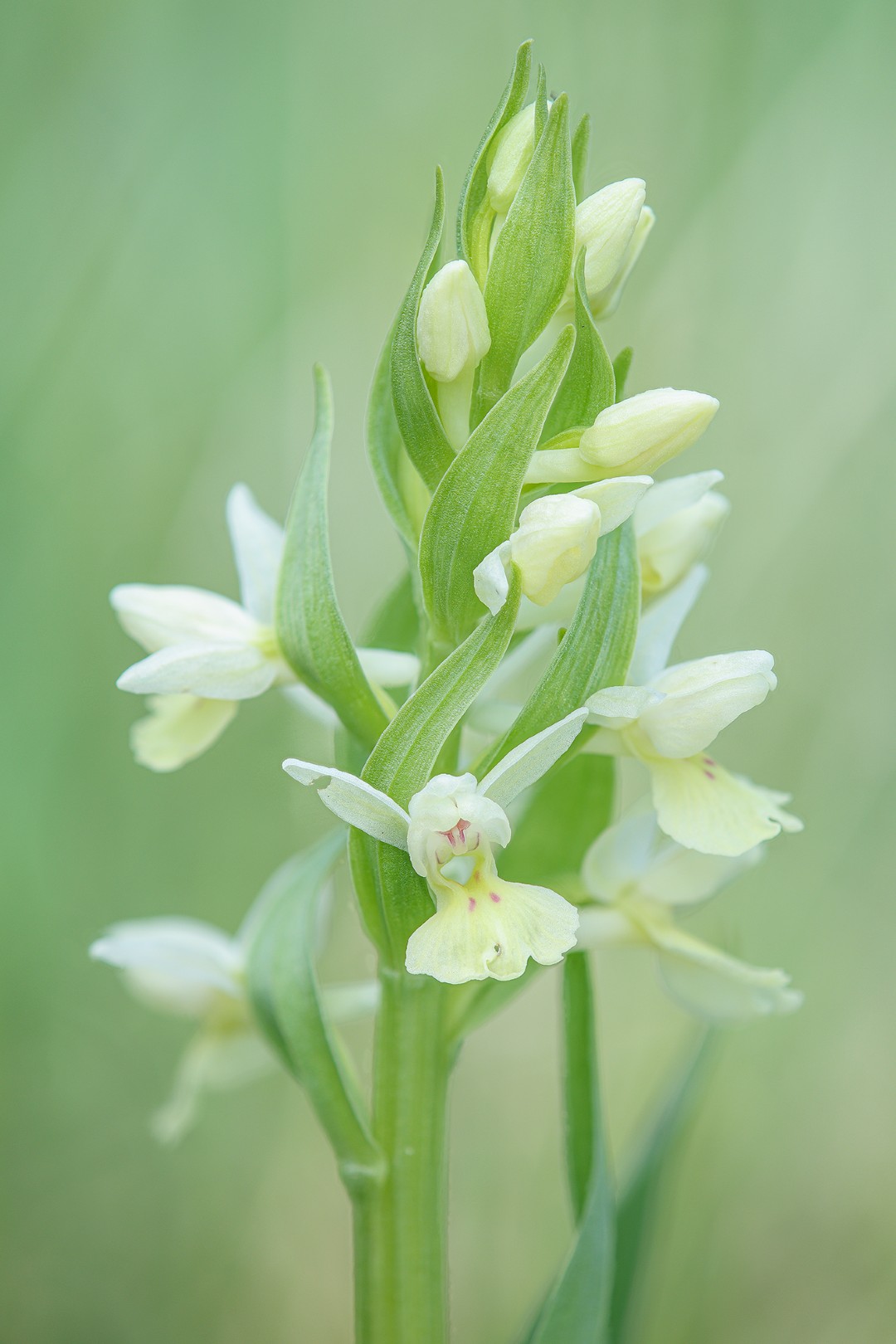
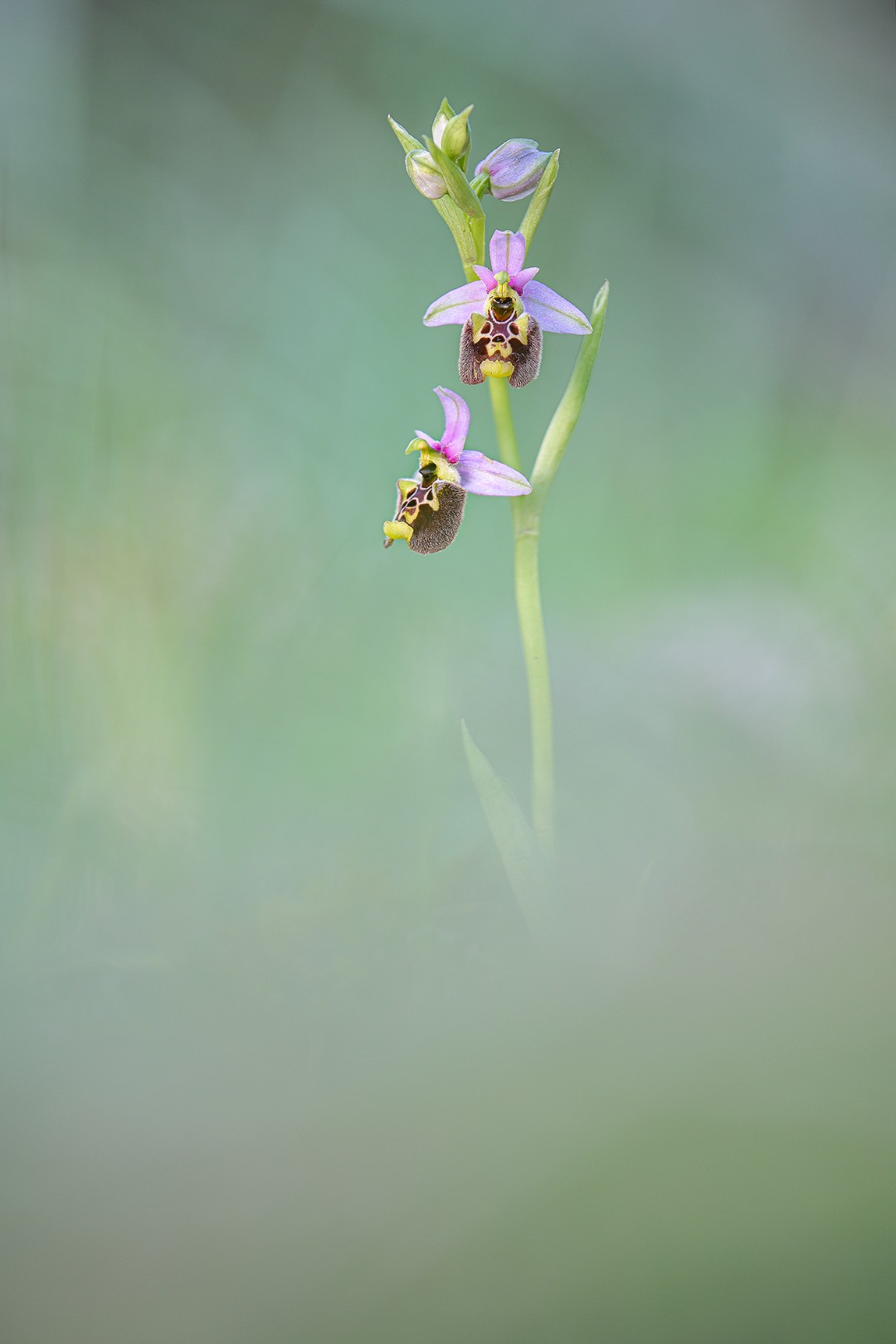
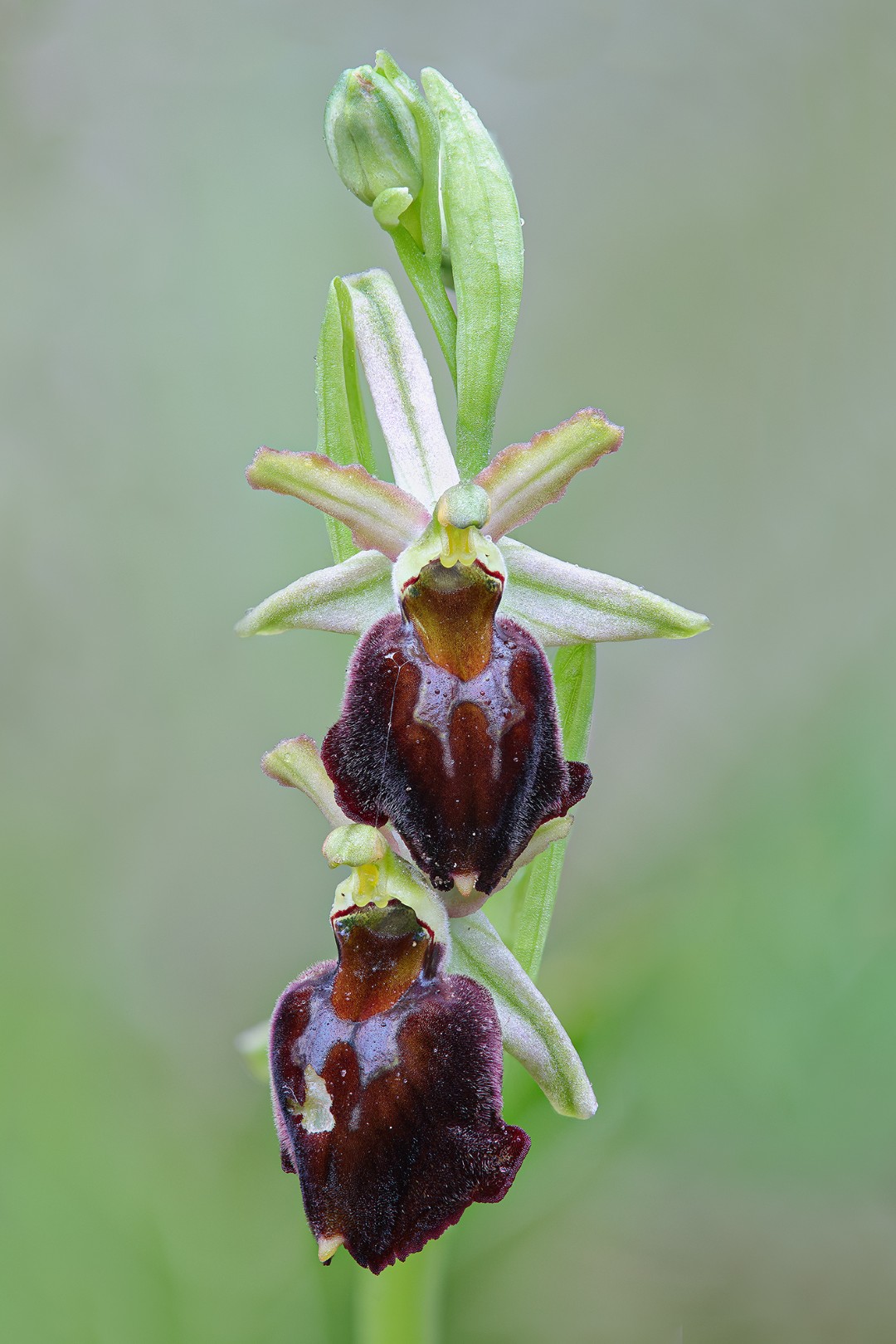
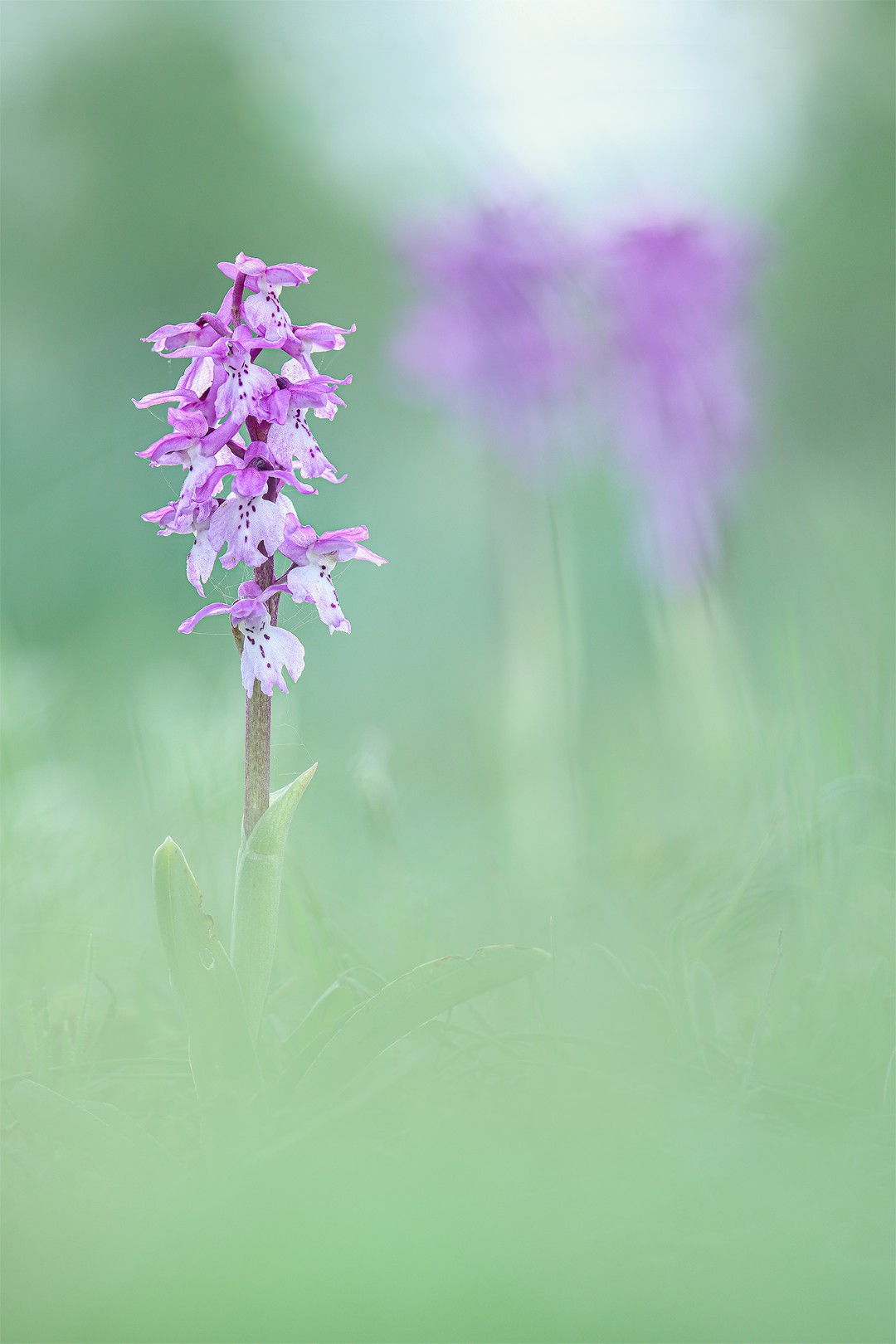
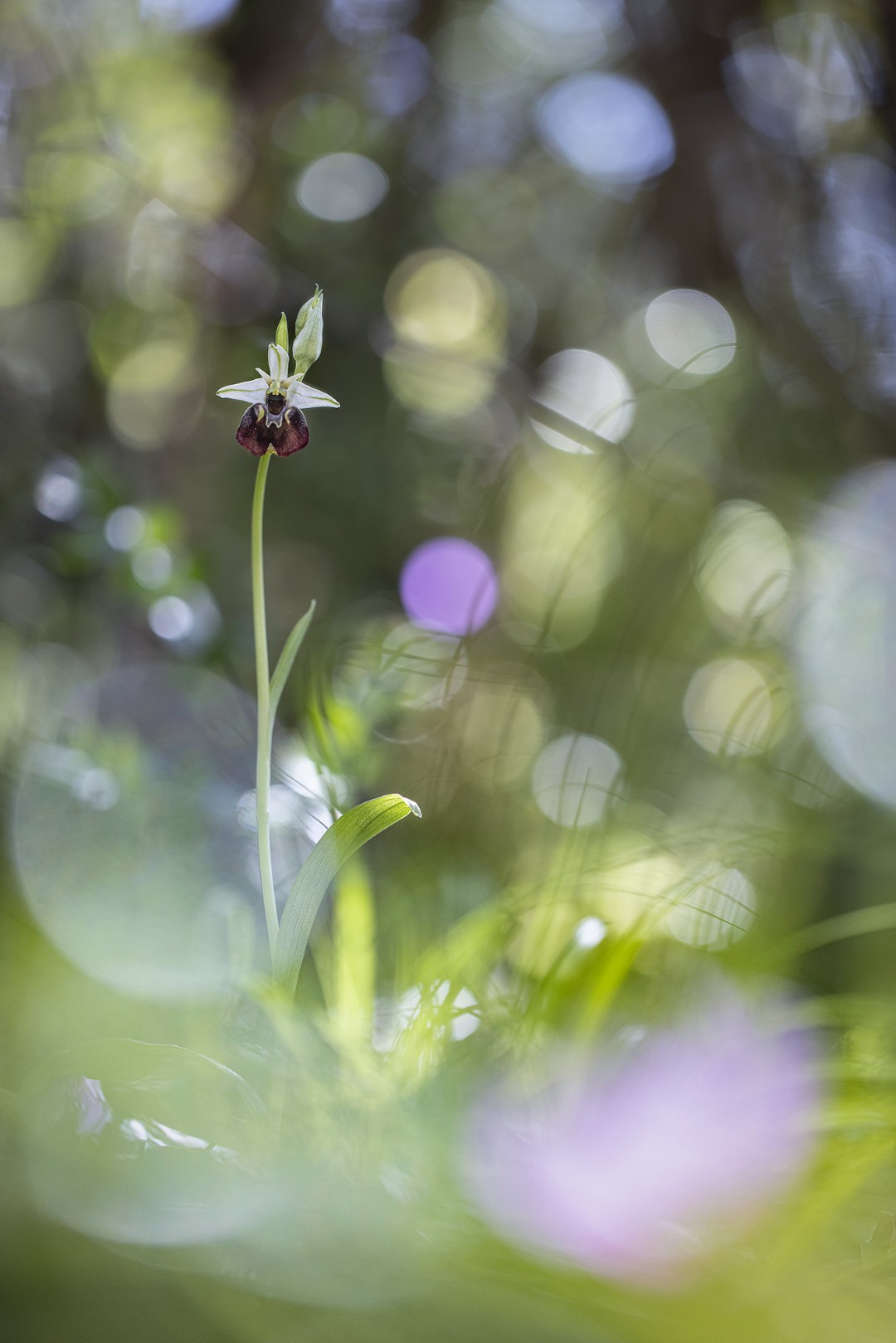
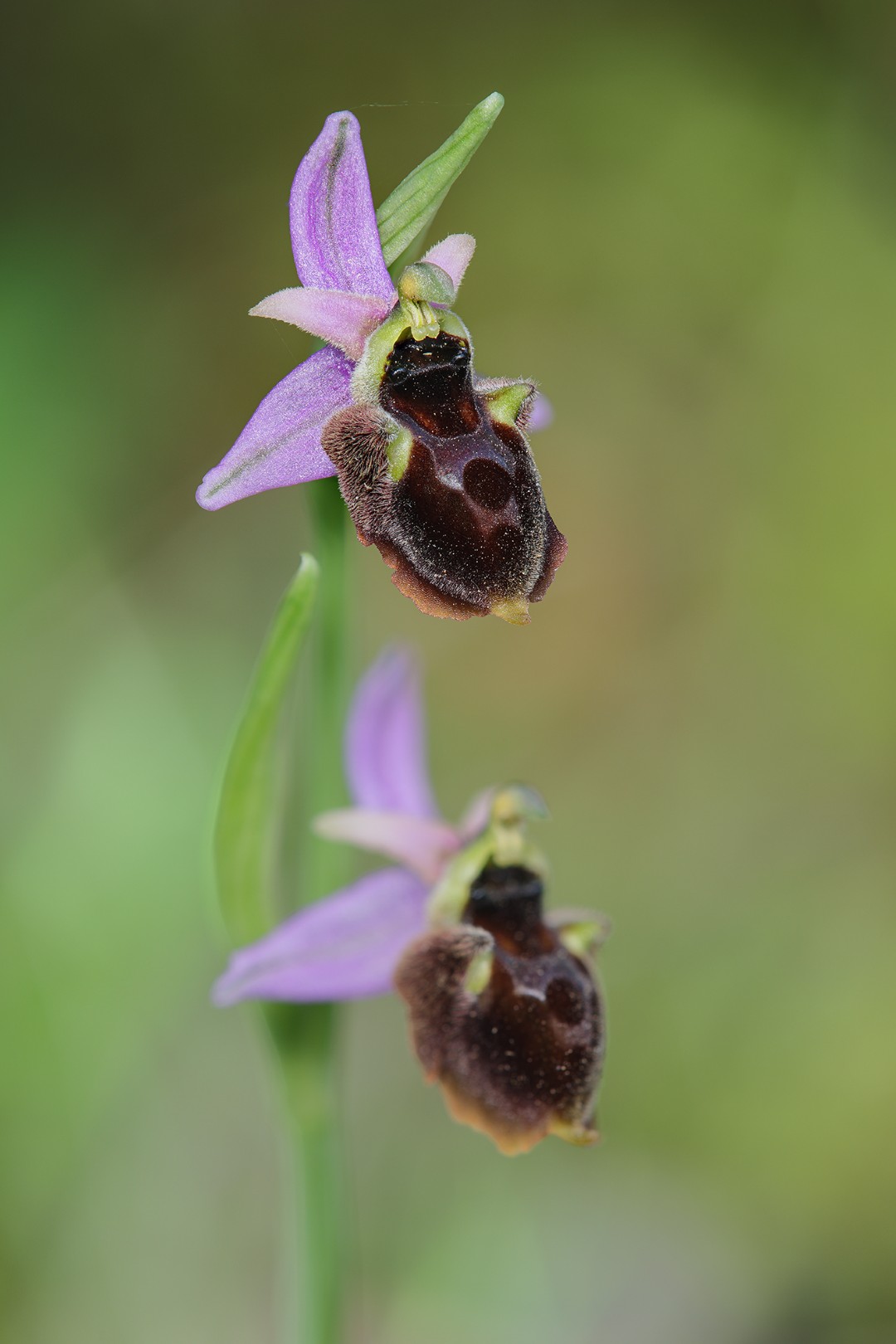
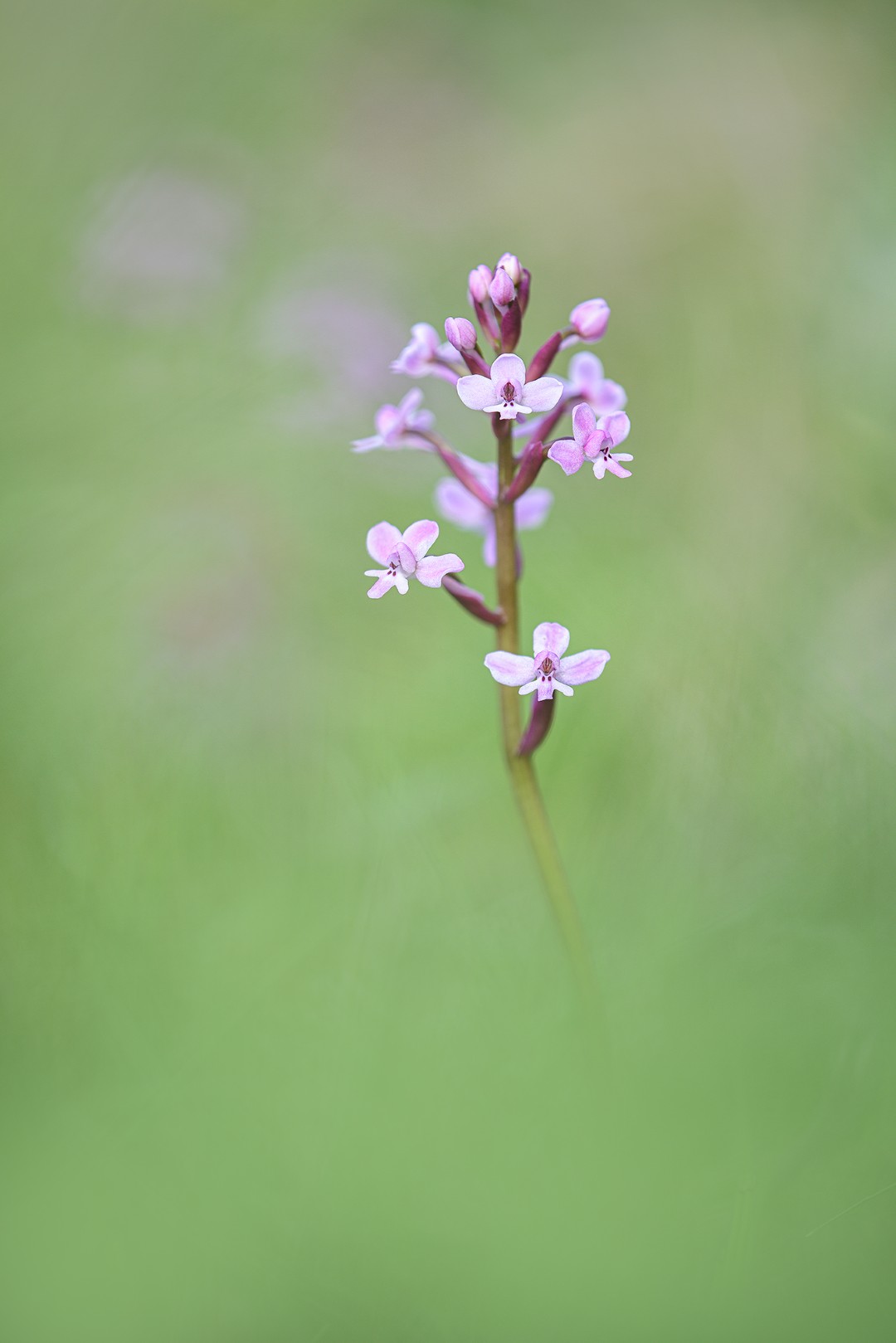
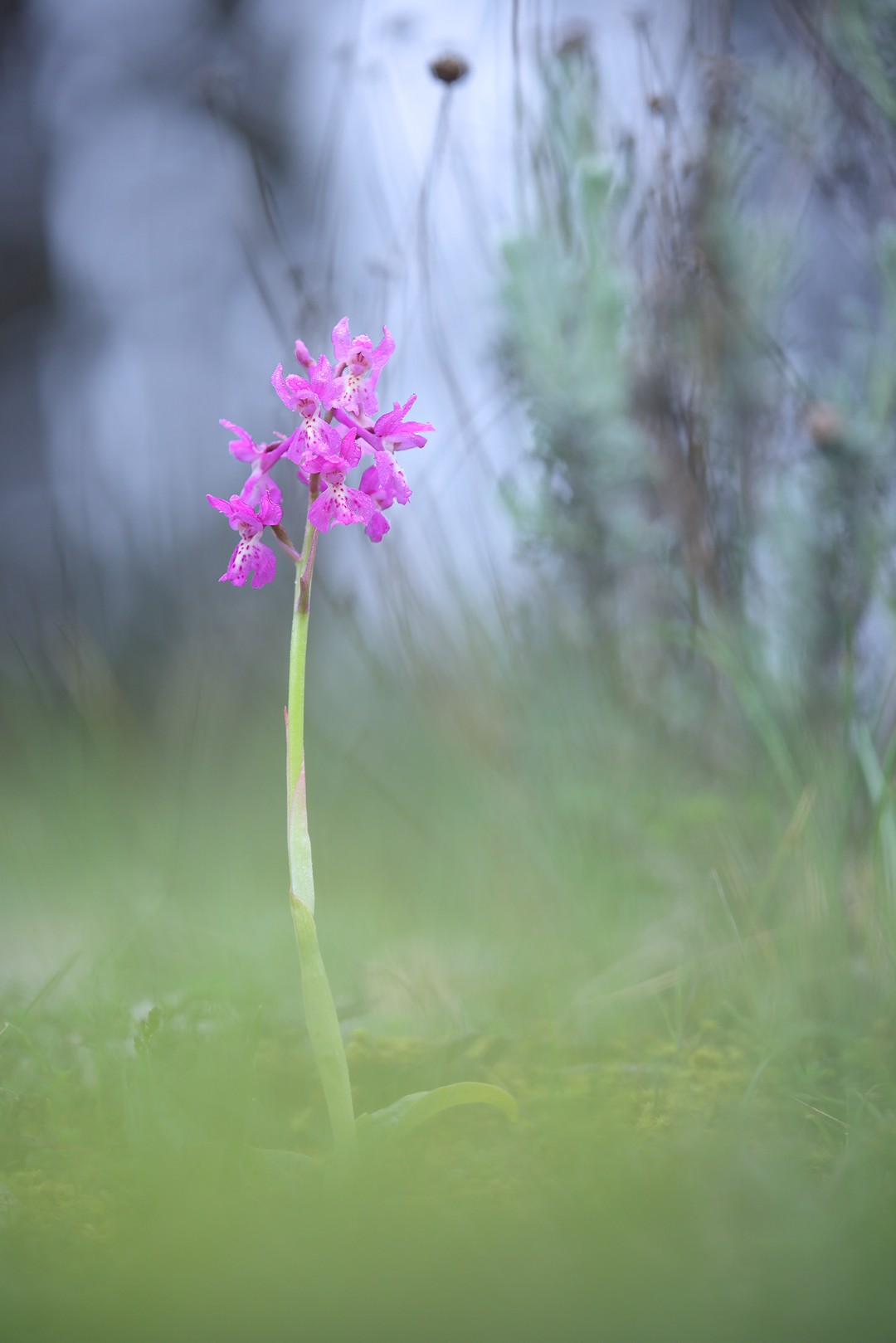
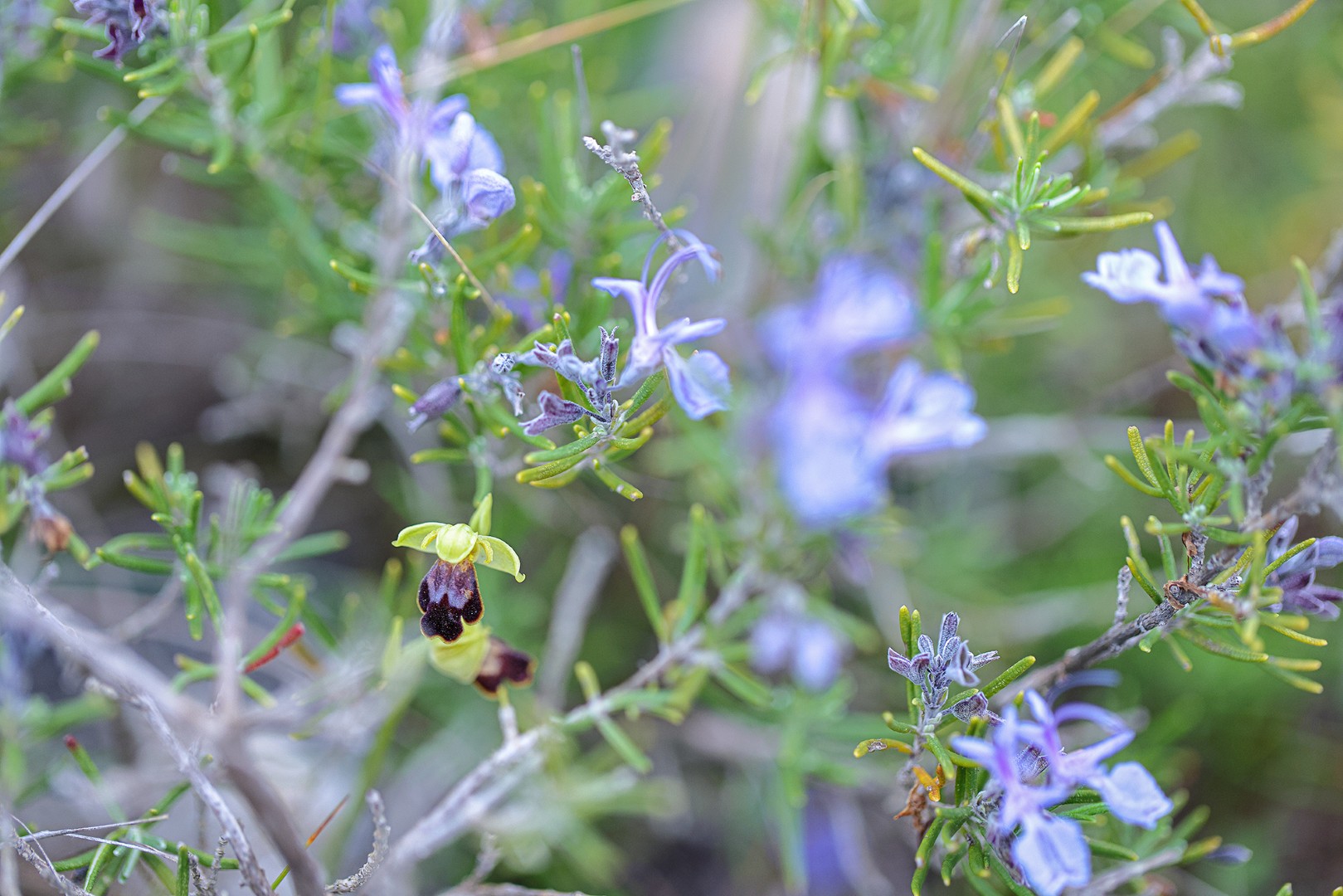
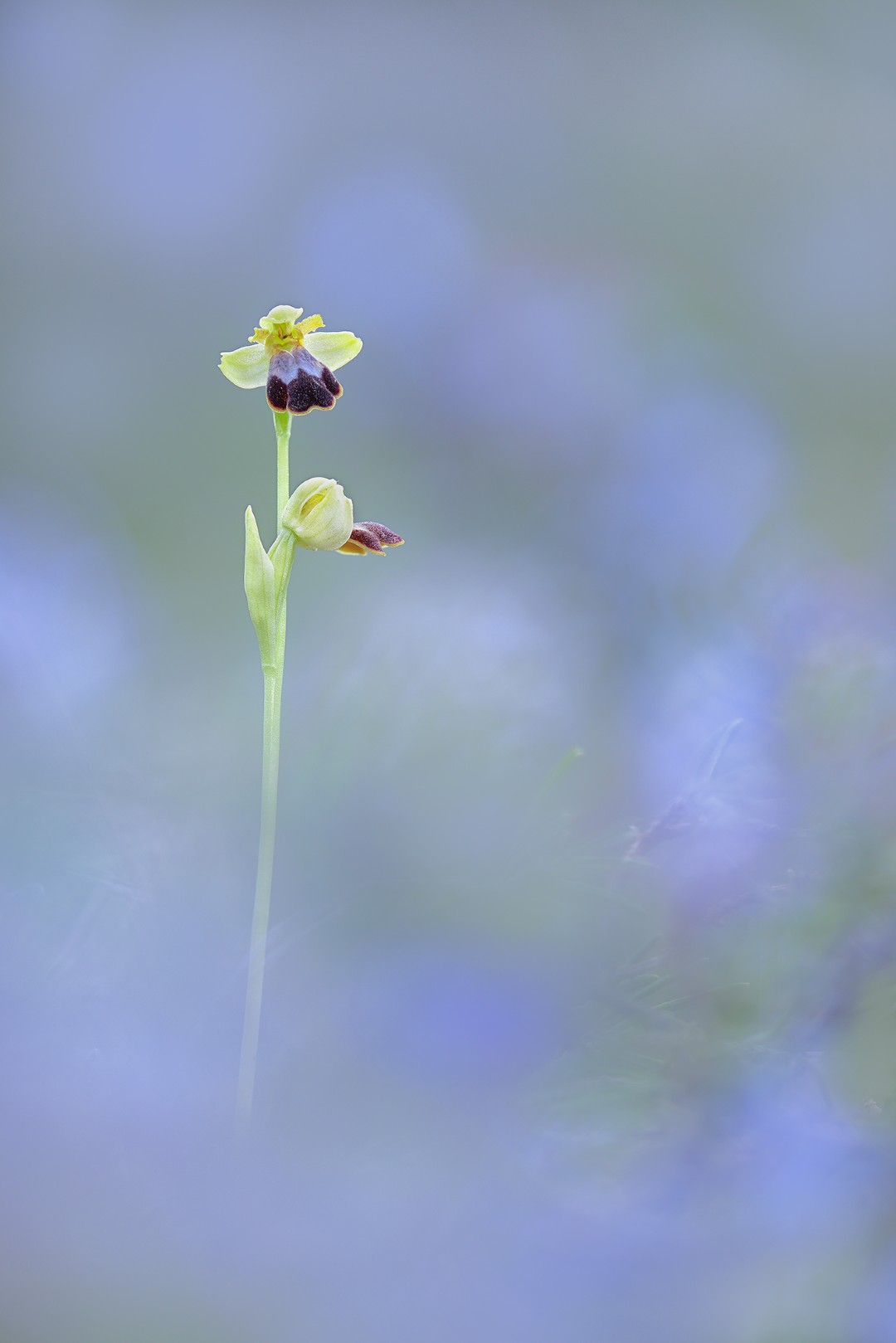
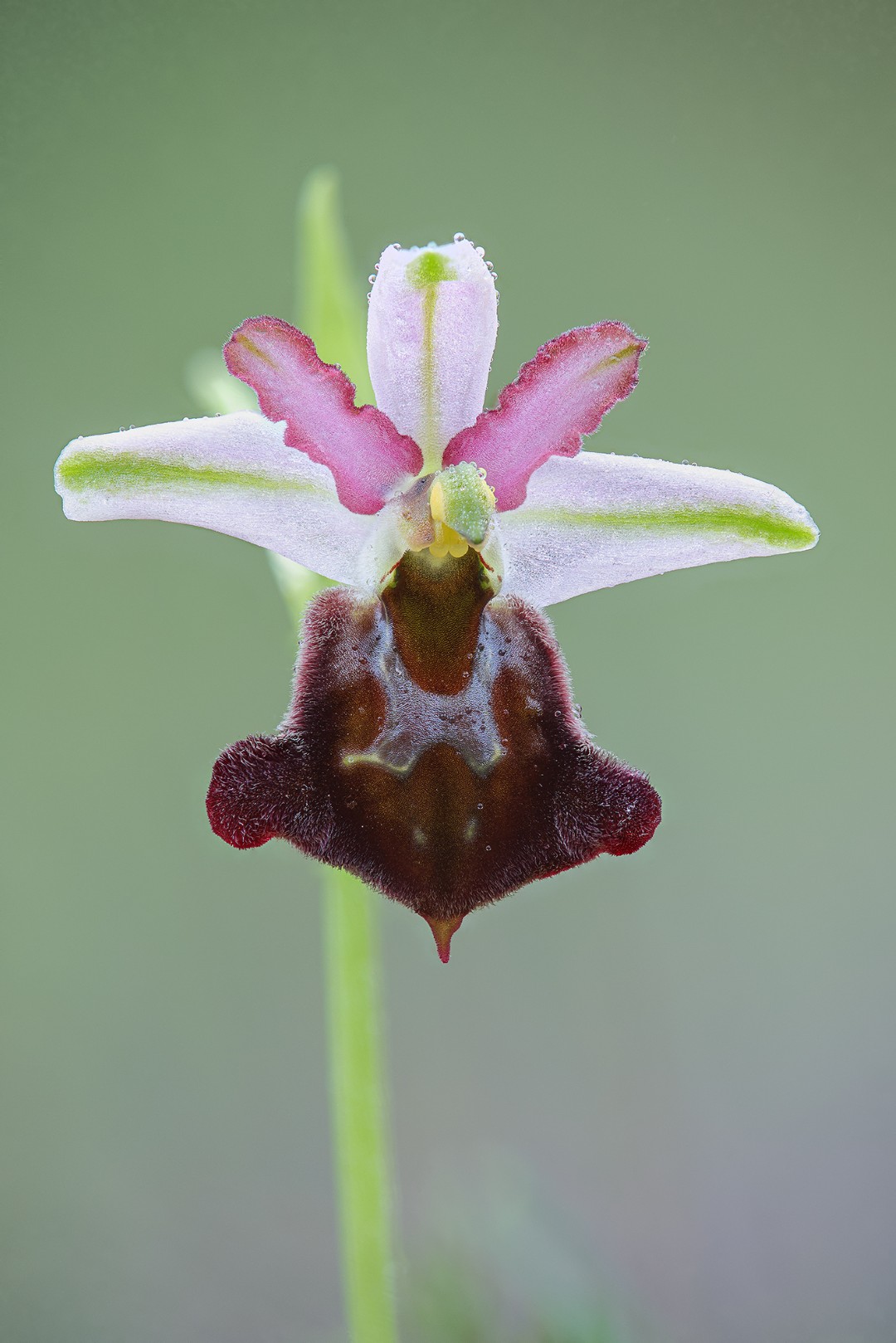
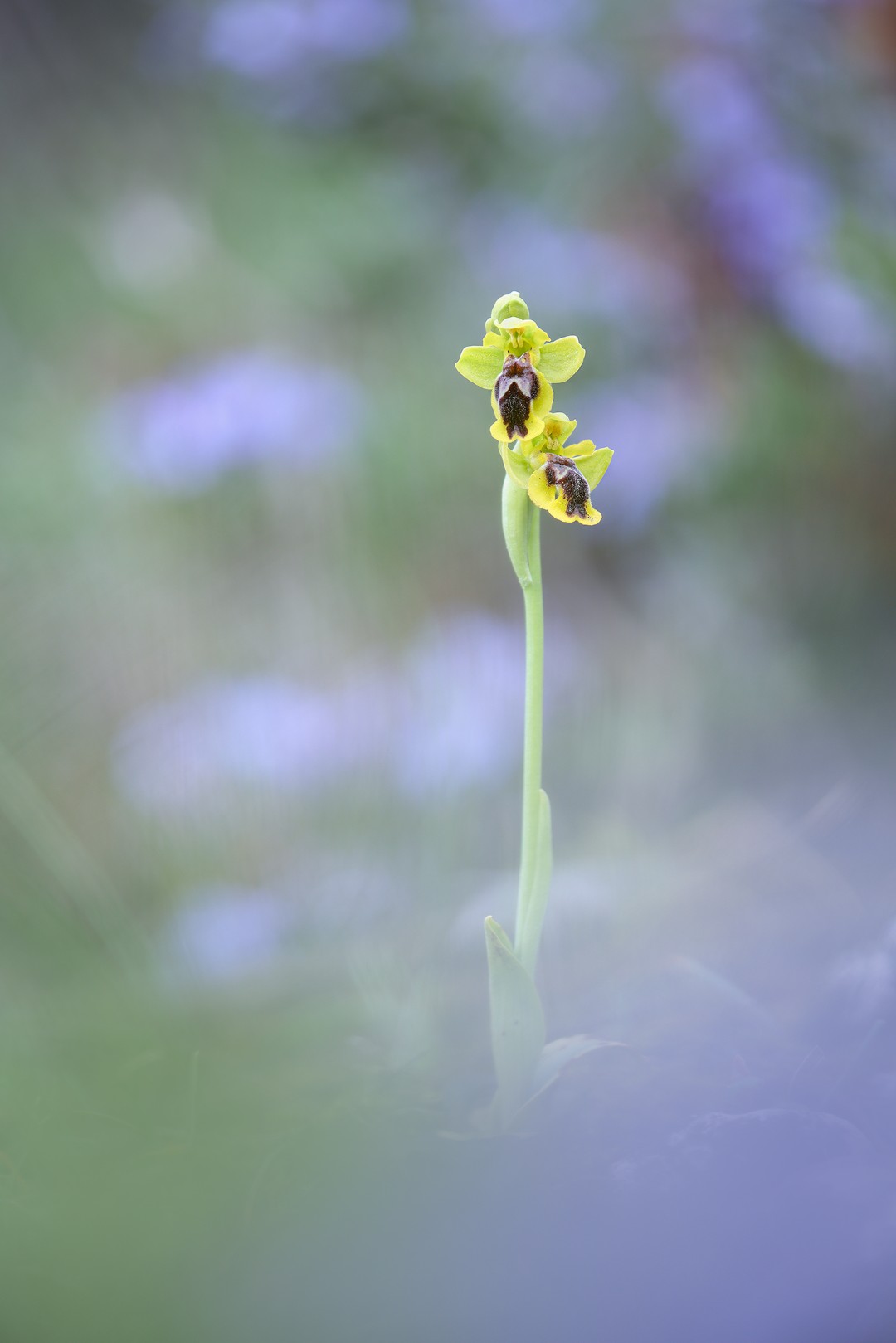
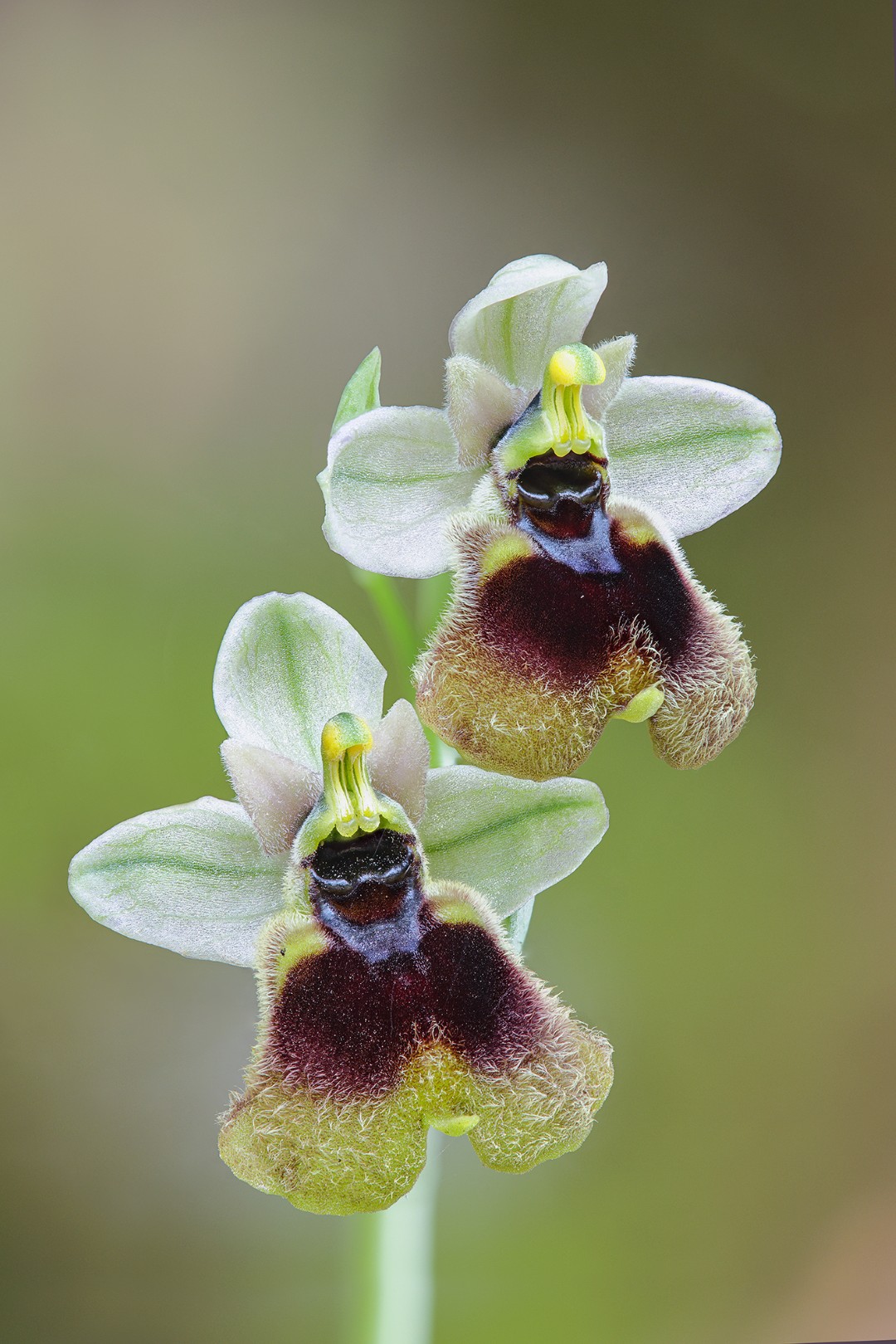
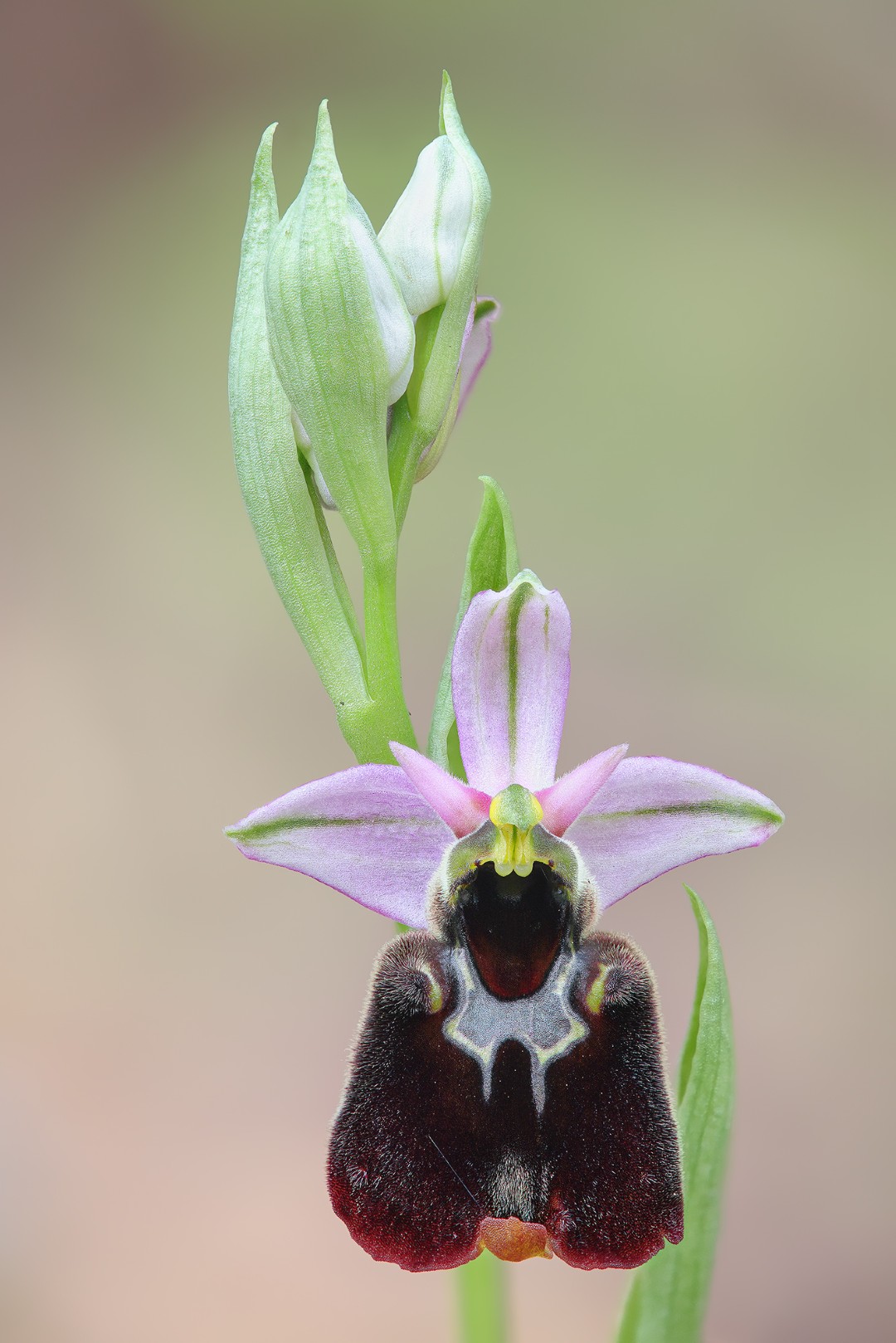
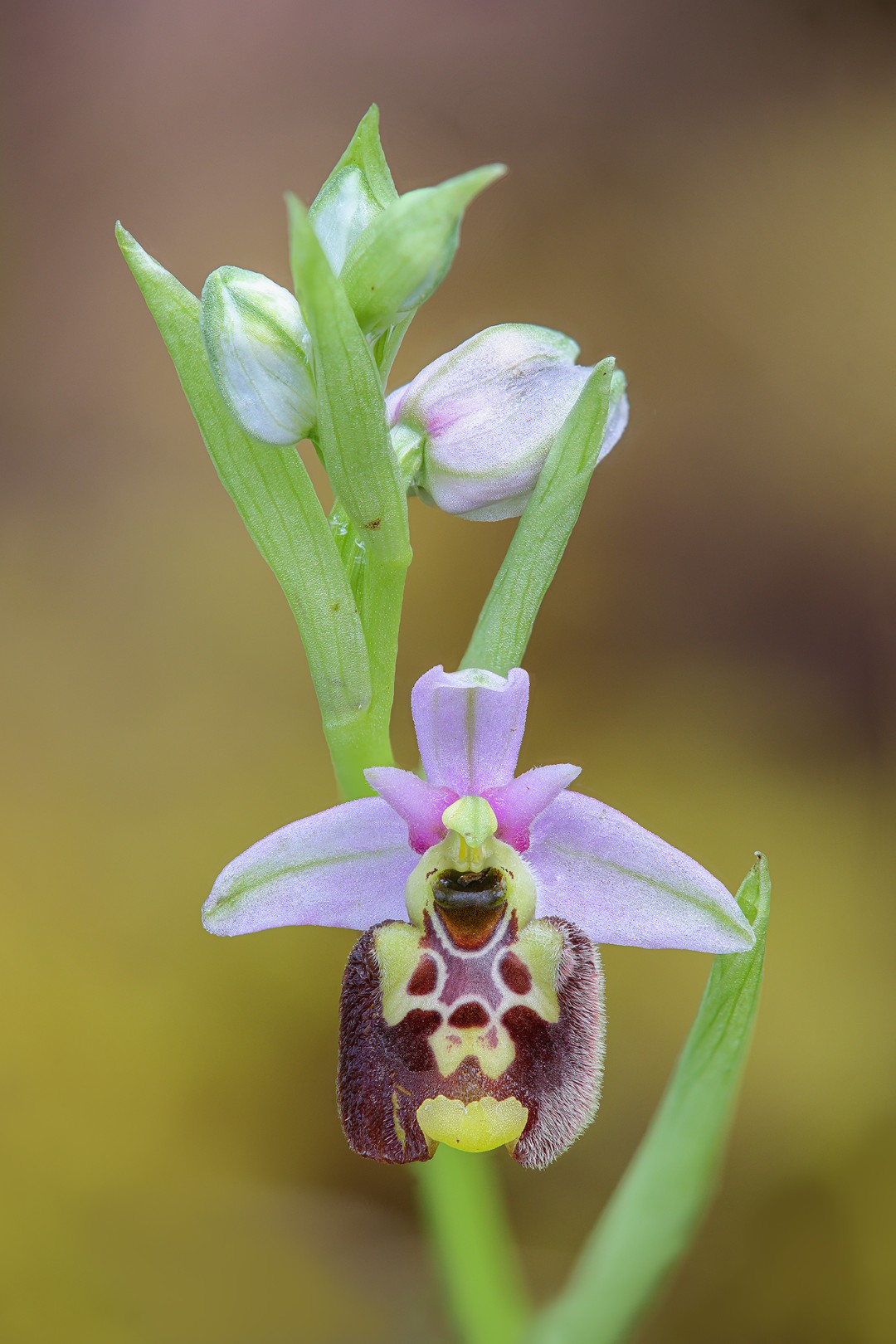
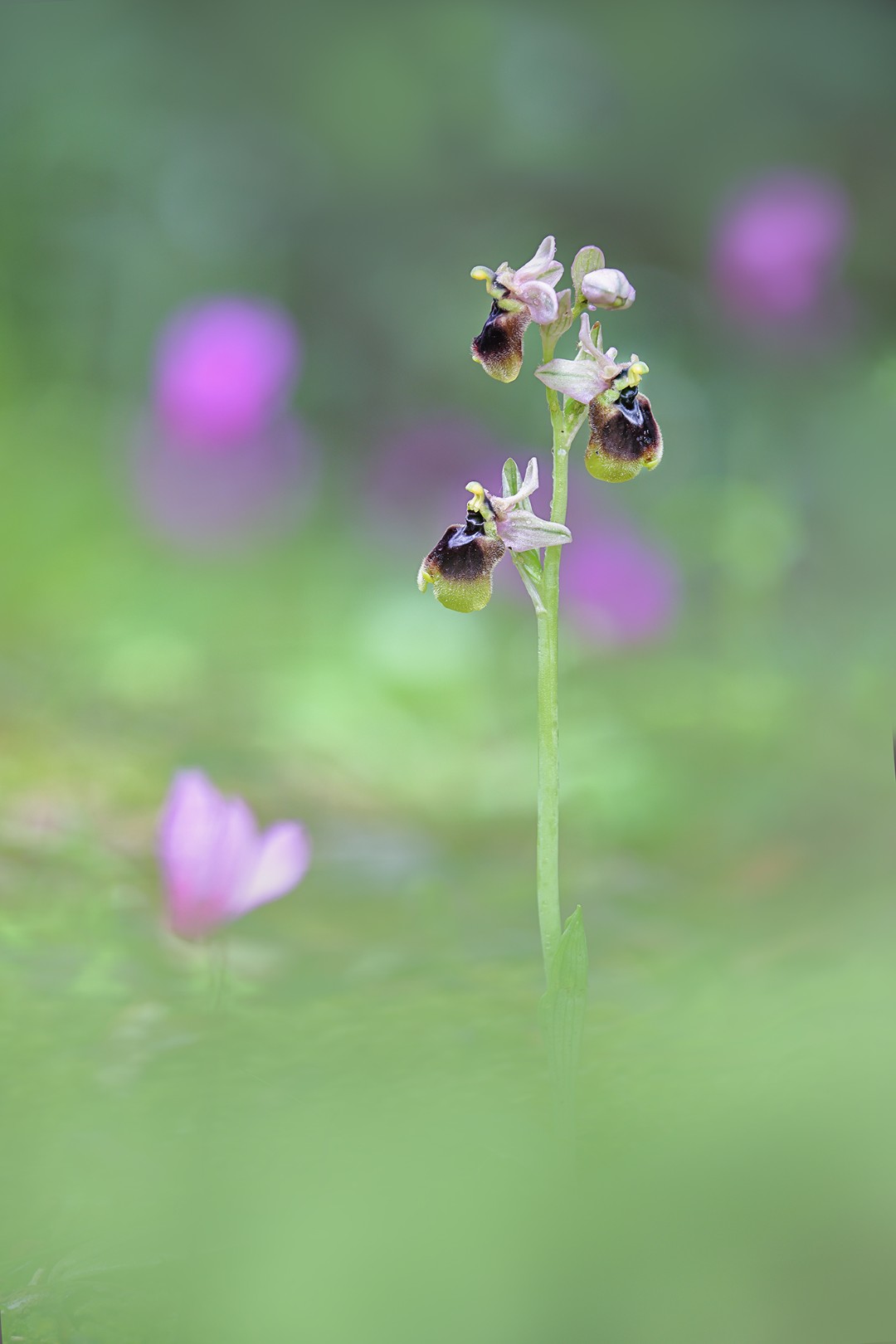
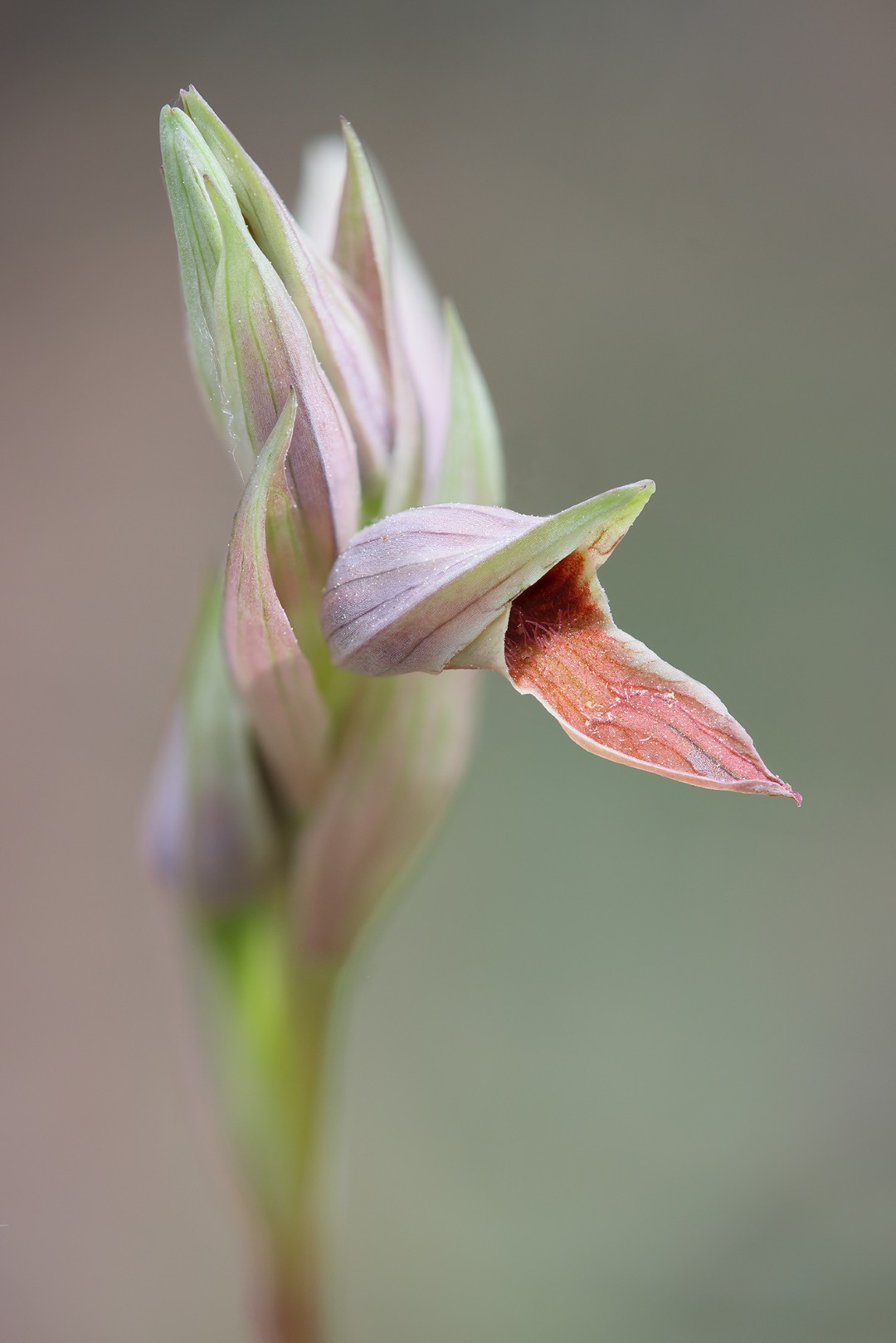
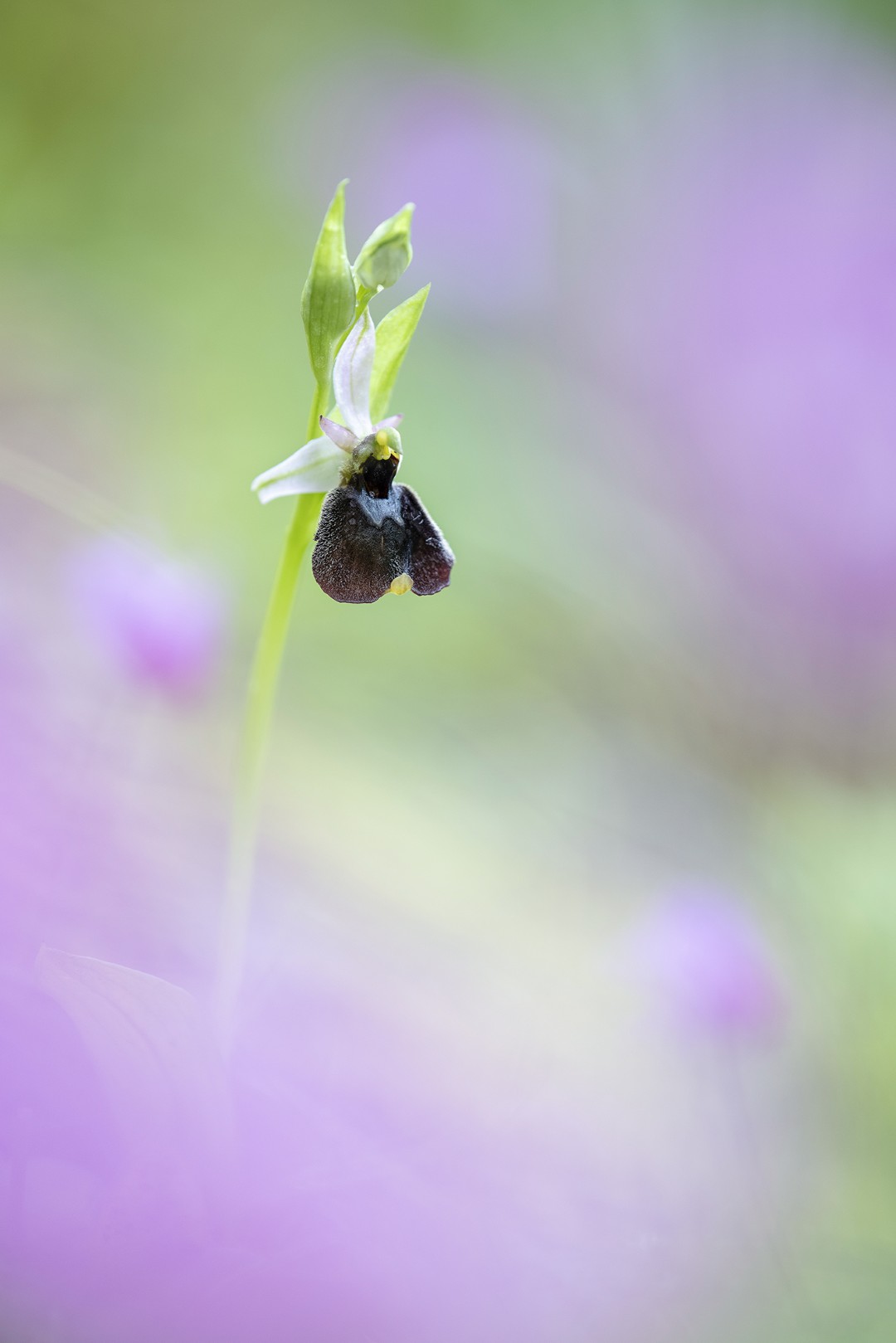
The archaeology may be megalithic, but the quality and range of orchids we anticipate seeing will simply be mega! The island boasts an enviable array of desirable orchids that are either endemic or near-endemic to it, and we will ensure we have quality encounters with as many as possible. Highlights should include the likes of Ophrys annae, chestermanii, corsica, morisii, normanii, ortuabis, and panattensis; Orchis ichnusae; Dactylorhiza insularis; and Serapias nurrica, to name but a few. We’ll also encounter some spectacular hybrids; and, naturally given the time of year and the unspoiled nature of the Sardinian interior, many other spring wildflowers besides.
As a professional biologist, Michele’s natural history knowledge extends way beyond orchids, so any exciting birds, butterflies, amphibians etc encountered will all be grist to his mill, and he’ll be more than happy to point them out to any interested parties. He’s also a talented photographer, and will be happy to help facilitate your photos to ensure you take away the very best lasting memories from what promises to be an extremely memorable and popular orchid tour. Jon also boasts a set of naturalist skills and interests that extend way beyond orchids, so nothing we see should escape our attention in this European natural wonderland – but above all, OCA guests who have already travelled orchid-hunting with Jon in Rhodes or Sicily will attest to his focus and orchid-finding prowess!
Dates & Prices
Dates: April 20-27, 2027
Prices: $4000 pp (double occupancy) $500 single room supplement.
Date for final payments due: February 1, 2027
Price includes: Ground transportation, food, guide services, trip report
Price does not include: tips, alcoholic beverages, round trip flights
Flights: Participants should plan to arrive on or before April 20th at Cagliari Elmas Airport. Departures should be planned on or after April 27th.
Group size: Minimum of 6, maximum of 12
Degree of Difficulty: No long walks or high elevation sites are included in this tour. Participants should be able to walk over uneven ground.
Day 1: Arrival at Cagliari Elmas Airport. Time permitting, we will visit coastal pinewoods for Gennaria diphylla,Ophrys liveranii and Serapias nurrica. Night around Domusnovas.
DAY 2. The first full day in the field will be spent in the mountains behind Domusnovas looking for endemic orchids such as Ophrys normanii, Ophrys chestermanii (two of the most spectacular Ophrys bee orchids), and the near-endemic Orchis ichnusae. Plenty of other species are present in the area as well, to name a few: Ophrys neglecta, Ophrys bombyliflora (good chances today to find some hybrids between these two species), Man Orchid Orchis anthropophora, and Dense-flowered Orchid Neotinea maculata. We will also find at least two species of Epipactis helleborines (E. microphylla and E. helleborine), but they will most likely be just in bud by this time of the year. Night around Domusnovas.
DAY 3. The morning will be spent again in the mountain range behind Domusnovas in order to appreciate once again the magnificent endemics of this area, and to look for any hitherto missed species. After a picnic lunch we will move toward the north-east to a high plateau placed in the middle of the island, famous as one of the best orchid sites in Sardinia, and Italy as a whole. On the road we will also stop in a eucalyptus plantation known to host good numbers of Ophrys and Serapias tongue-orchids, among which we will try to find Serapias nurrica and the spectacular hybrids between the Mirror Orchid, Ophrys speculum and Ophrys neglecta. Nice team work will be needed to succeed in this particular quest for hybrid glory! Night around Laconi.
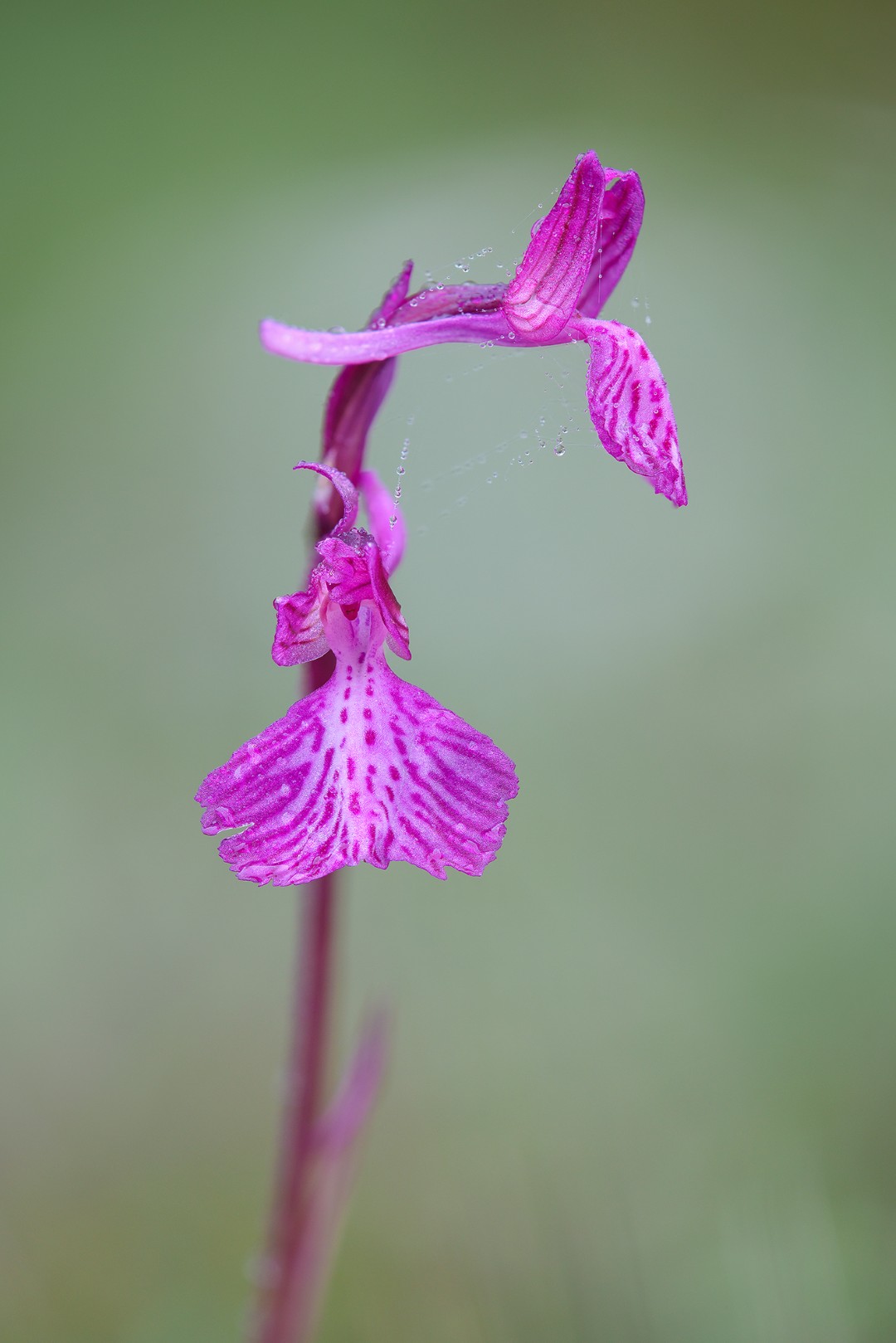
DAY 4. Our first full day in the Laconi/Ortuabis pass area, one of the richest areas for orchids in Sardinia, both in terms of species and sheer volume of flowering plants. We will make several stops around road edges where we will be amazed by the sheer number sof Pink Butterfly Orchid Anacamptis papilionacea and Anacamptis longicornu, and their hybrid is not rare either in this area! We will also explore some fields, grasslands, and light woods in order to observe some of the special rare species of this area, including a long list of endemic or near-endemic (shared with Corsica) species, such as Ophrys lepida, Ophrys ortuabis, Ophrys annae,Ophrys morisii, and , as well as some ‘less endemic’ species, but still with a limited range such as Ophrys iricolor eleonorae, or the hybrid between Orchis ichnusae and Orchis provincialis. Night around Laconi.
DAY 5. Second full day in the Laconi/Ortuabis pass area in which we will both explore differentvaltitudes/habitat to find a few more species and visit again the richest sites to find any missing species or, why not, something unexpected! Night around Laconi.
DAY 6. After a slightly later and more relaxed breakfast, we will drive north-east in the direction of the Supramonte karstic massif area, the ‘Sardinian Dolomites’. On the way we will stop at the UNESCO world heritage site of Su Nuraxi, an extraordinarily well preserved Bronze Age village composed of Nuraghi, a special type of defensive structure (for which no parallel exists anywhere else in the world). After a guided visit to this prehistoric site, we will head to a nice lightly wooded area in the mountains where the rare Dactylorhiza insularis blooms, along with other nice species such as Provence Orchid Orchis provincialis, Milky Orchid Neotinea lactea, i, and many more. After this stop we will head to the hotel in which we will spend the next two nights and, depending on the time left, we may make a bit of orchid prospection in the outskirts around the hotel. Night around Dorgali.
Day 7. This full day in the Supramonte area will be spent in the mountain range, especially at a high plateau at around 1,000m elevation in the Supramonte of Urzulei, a floristically and faunistically very rich area in a dramatic landscape. On the way back to the north, we will stop and check the road sides for one more endemic orchid (and a very beautiful one!):Ophrys panattensis, which shares the small space of the road sides with Ophrys morisii and Orchis anthropophora. In the evening, a visit to a place close to Dorgali will allow as to see more Ophrys panattensisas well as search for the rare and tiny Orchis brancifortii, only present in Sardinia and Sicily. Night around Dorgali.
Day 8. Return to Cagliari Elmas Airport. Time permitting, we will make a stop or two en route to the airportto enjoy some final orchid treasures. As with all of our tours, we want our guests to enjoy the very best views of the very best wildlife and, as such, we think it’s important to retain a little flexibility in the holiday itinerary. This means that we may choose to swap days around to take into account local weather conditions, or the timing of the flowering season we find upon arrival at our holiday destination. Rest assured, we will ensure you visit all the best sites, and we have your best interests and comfort at heart
Jon Dunn
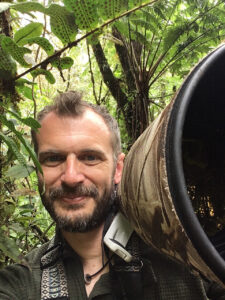 Jon Dunn is a natural history writer, photographer and experienced wildlife tour leader based in the Shetland Isles, but with strong links in Europe and the Americas that see him travelling widely in search of memorable wildlife encounters.
Michele Vigano