
Orchids of Drakensberg
The Drakensberg, or “Dragon Mountains,” is southern Africa’s most striking mountain range and one of the world’s oldest centers of plant endemism. Forming the best-known section of the Great Escarpment—a major African landform marked by steep slopes dropping from the high central plateau toward the surrounding oceans—the Drakensberg has a deep geological history. Around 180 million years ago, a mantle plume beneath southern Gondwana caused the continental crust to bulge upward. Continued uplift over the last 20 million years pushed the central plateau even higher, while erosion gradually shifted the original escarpment inland to where it lies today, creating the present coastal plain.
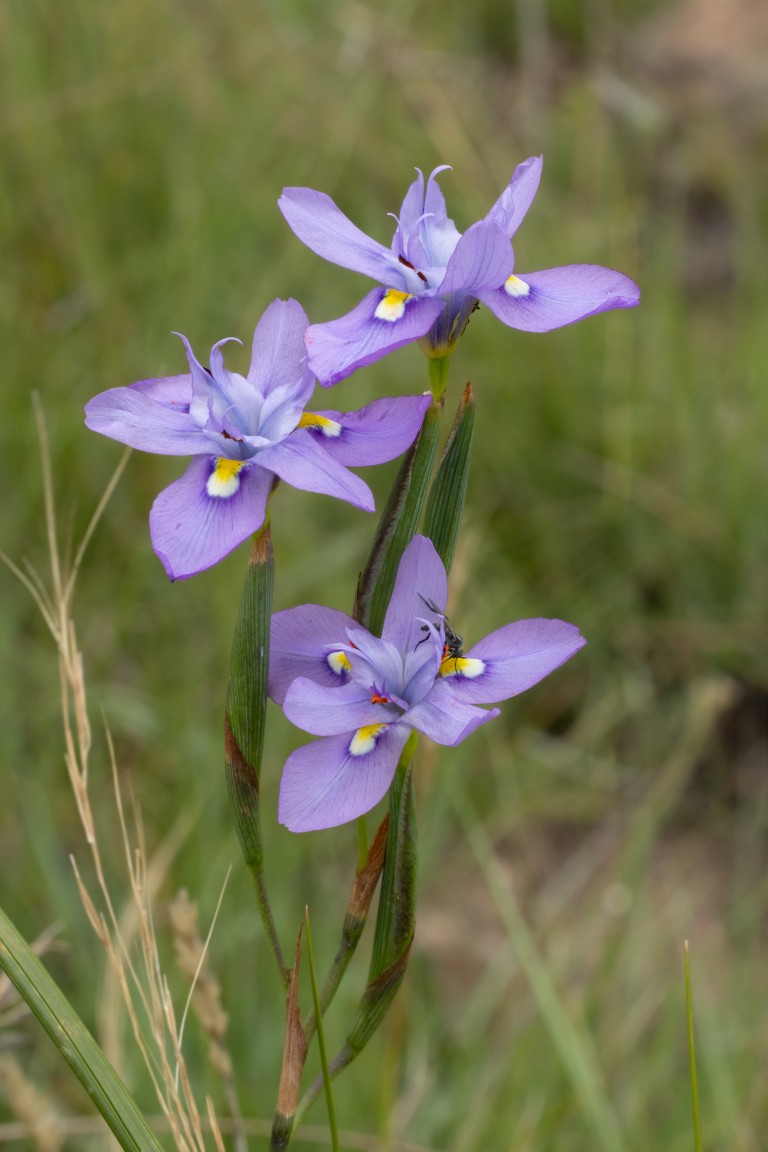
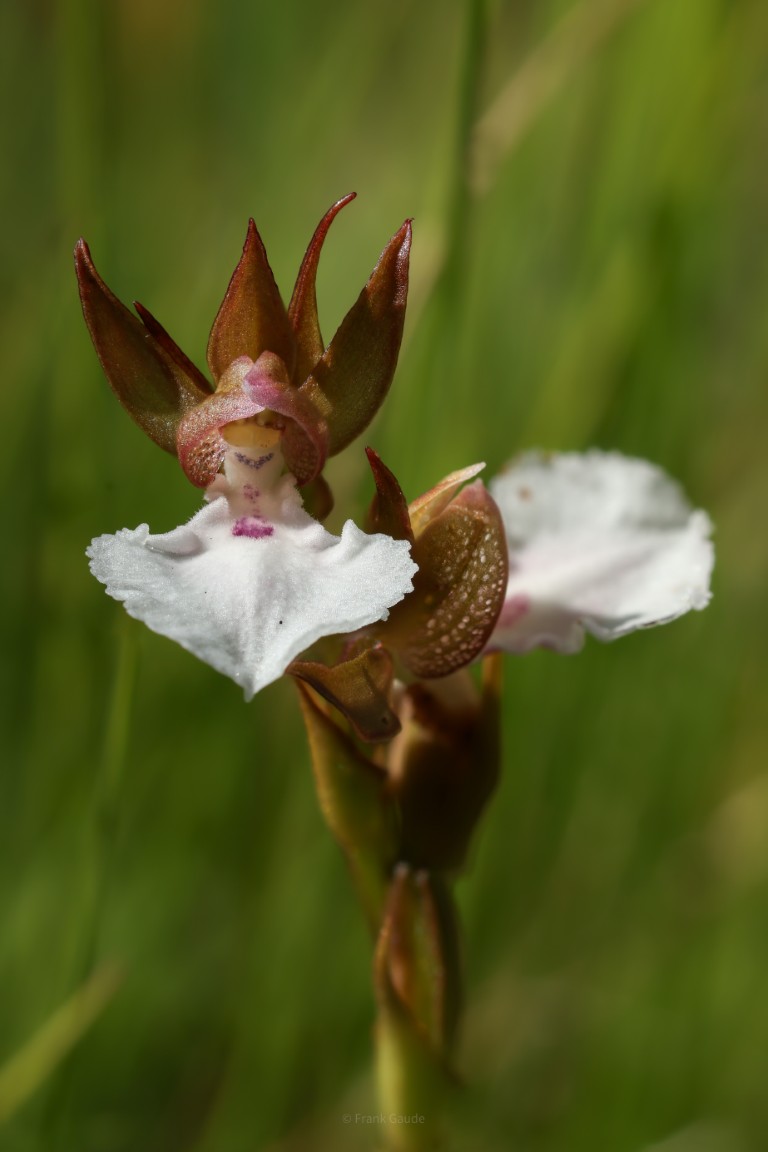
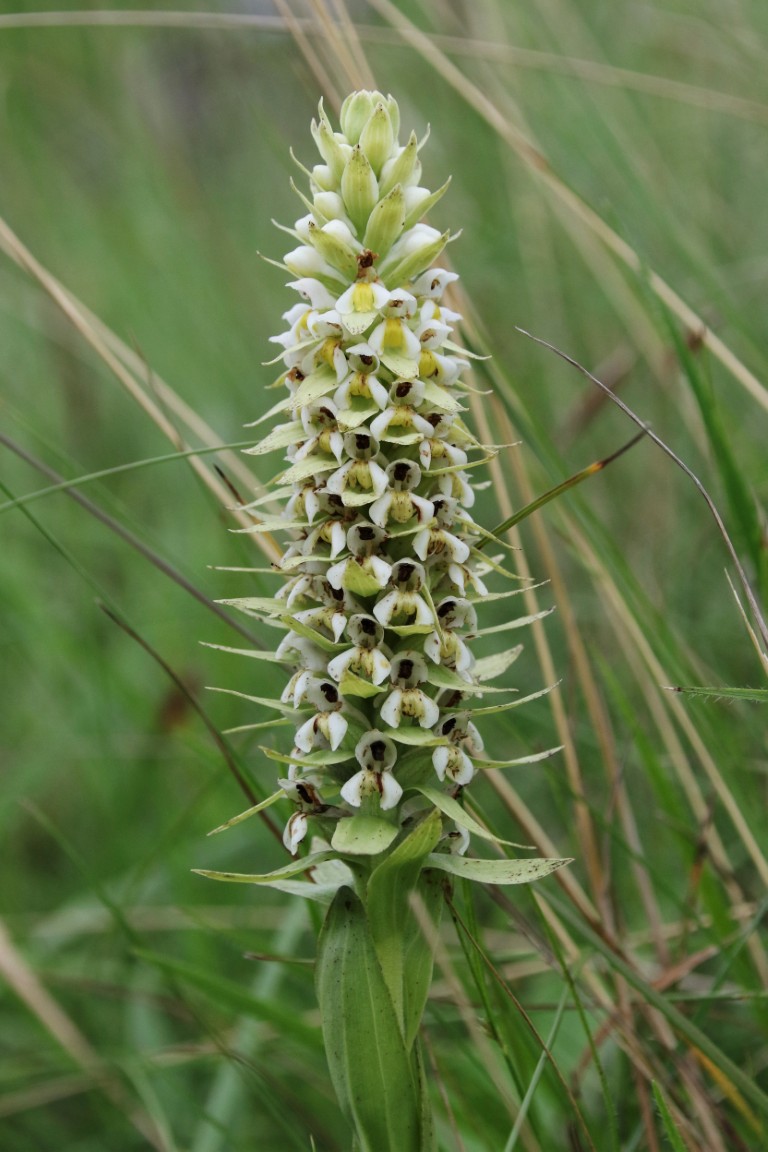
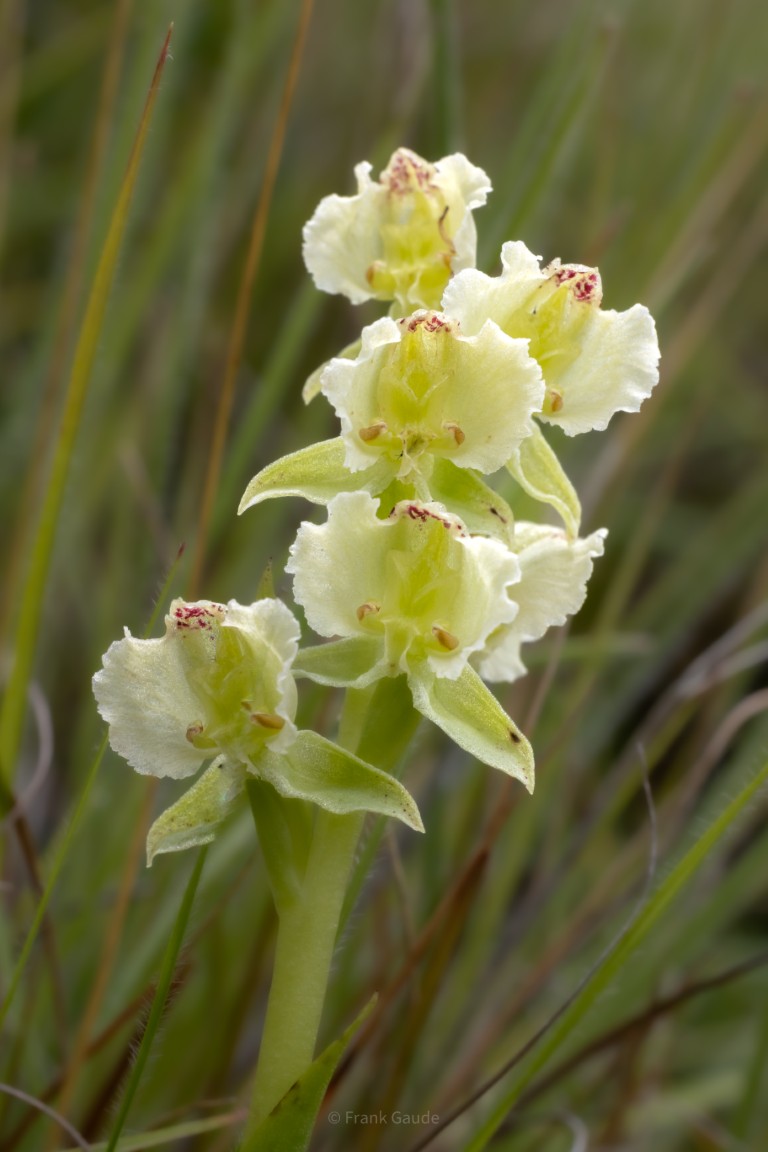
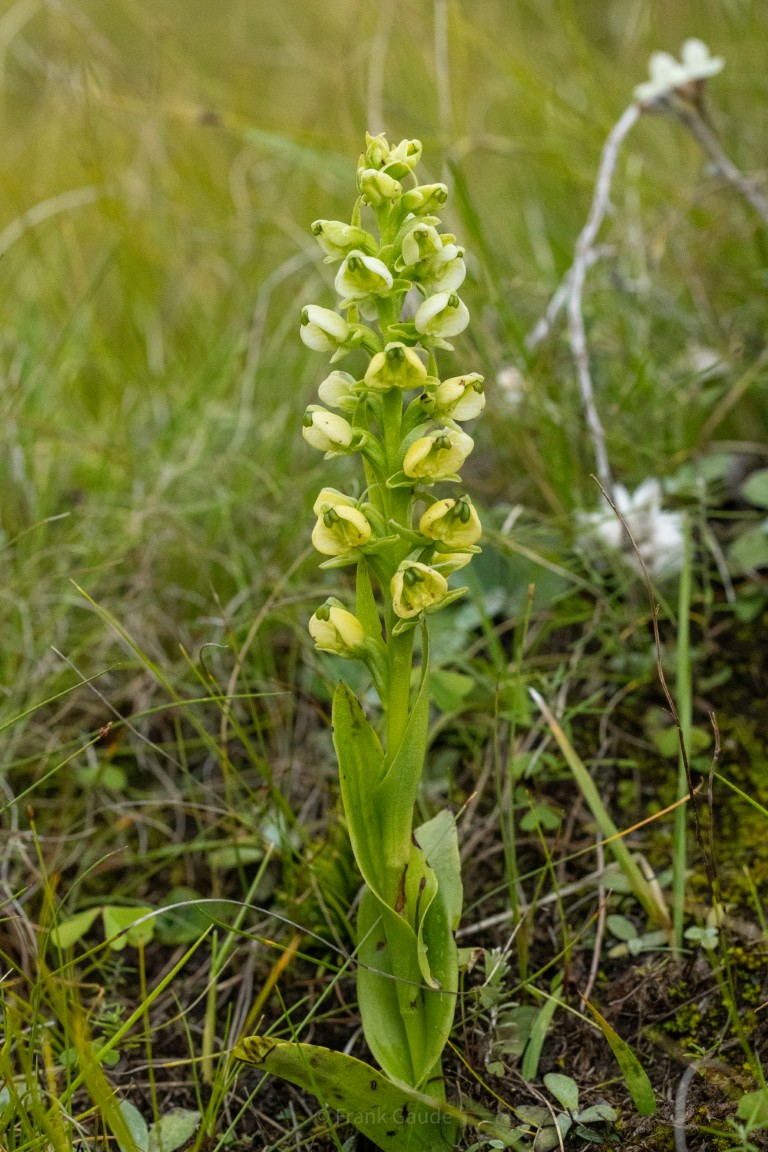
Extending for more than 1,000 kilometres, the Drakensberg escarpment runs from South Africa’s Eastern Cape in the south, forming—moving northwards—the borders between Lesotho and the Eastern Cape, and then between Lesotho and KwaZulu-Natal. The scenery here is dramatic, and the biodiversity exceptional. The high, treeless summits above 2,500 meters make up the Drakensberg alti-montane grasslands and woodlands ecoregion, representing the southernmost high mountains in Africa. Plant diversity is remarkable, with representatives from many families, including Agapanthus, Brunsvigia, Nerine, Zantedeschia, Bulbine, Kniphofia, Eucomis, Crocosmia, Gladiolus, and Moraea—groups for which South Africa is a global centre of endemism. We also hope to encounter numerous terrestrial orchids such as Disa, Disperis, and Habenaria. The region is rich in Asclepiadaceae and Asteraceae, including species of Berkheya, Helichrysum, and Senecio. Wahlenbergia (Campanulaceae) is also common here, and members of the Scrophulariaceae are well represented.
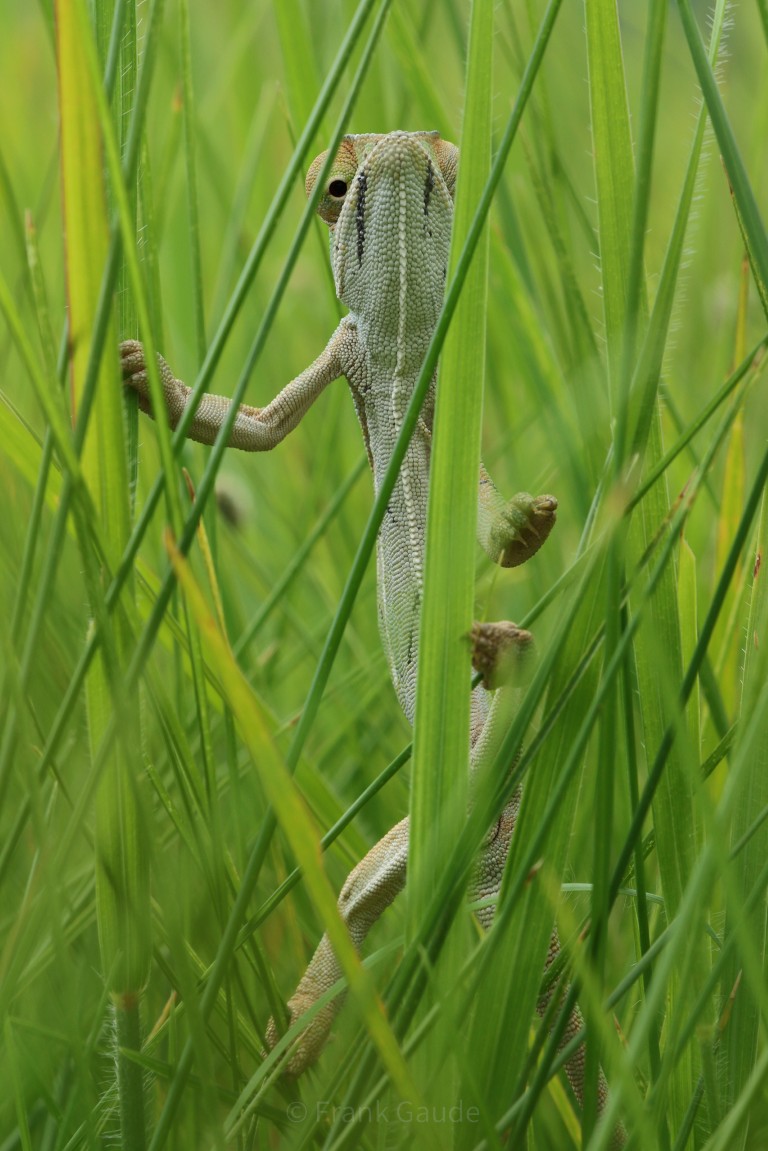
Although plants will be our main focus during our travels, we will also take time to appreciate the rich animal life—particularly butterflies and other insects, reptiles such as chameleons, a wide variety of birds, and the area’s larger mammals. Our pace will be relaxed to allow us to enjoy each habitat thoroughly.
Dates & Prices
Dates: January 18-30, 2027
Price: $7100 pp double occupancy; $8000 pp single (USD$)
Deposit Detail: Tour deposits due Sept 15, 2026. Final Payments due no later than Nov 1, 2026
Price Includes: Ground transportation, internal flight, hotels, meals, guides, entrances to reserves and parks. Price does not include flights, visas, nights pre- or post tour, travel insurance, alcoholic beverages, tips, or items of a personal nature (souvenirs, laundry, etc.). We suggest participants plan on an extra $200 to cover tips and other non-covered items.
Arrival and Departures: Guests should plan on arriving on or before January 18 morning (we have a 3 hr drive on the first day) and departing on or after January 30 in the later afternoon. Flights should be planned in and out of King Shaka Airport, Durban. Guests may elect to arrive a day early (to recover from Jet lag). We will provide information as to a suggested hotel; note the hotel prior to Jan 18 is not included in the tour price.
Conservation donation: A donation based on the profit from the tour (estimated at $1000 pp) is donated to the Orchid Conservation Alliance. The Orchid Conservation Alliance is a 501(c)3 non-profit organization, and for USA residents, the donation may be tax deductible. Our profits go towards the establishment and support of orchid-rich reserve and associated conservation projects. A formal acknowledgement letter with the exact amount of the donation is sent to each participant at year end.
Languages: Guiding in English (German also spoken by guide)
Group size: Minimum of 6, maximum of 9 guests
Physical requirements: The highest altitude we will reach on this tour is between 2,500 – 3,000 m above sea level. There are only two days where we exceed 2,500m. You will need to be reasonably fit to derive maximum enjoyment from this tour and be able to walk on uneven trails. However, much of the flora can be found close to the roadsides and if you are comfortable to sometimes remain at the vehicles or lodgings while we do some of the longer walks then that should be possible.
Holiday Itinerary (subject to minor changes due to road conditions, weather, hotel availability etc.)
Day 1.
Arrival at Durban, King Shaka International We drive from the airport to Port Edward. The distance is about 200 km and it will take us about three hours driving time to arrive at our accommodation place for check-in. We will stop on-route for lunch and possibly our first exploration of the countryside, time permitting. Participants should plan on arriving in the morning.
Overnight at Umtamvuna River Lodge.
Day 2
Today we shall explore the Umtamvuna Nature Reserve, which lies a short distance from Port
\Edward. The reserve includes a section of the Mtamvuna River and surrounding cliffs and plateaus. The plateau areas consist of grasslands (Pondoland Sourveld). Many endemic plants grow here.
The grassland areas of the reserve are also known for their natural display of wildflowers in late
spring and summer. The forest is the only or principal home of a host of rare trees such as the
magnificent Natal Flame Bush (Alberta magna). We hope to see South Africa’s tallest orchid,
Eulophia horsfallii and other orchid species such as Habenaria dives, Eulophia ensata, Satyrium
trinerve and Satyrium longicauda.
Other plants of interest that we will look out for are Agapanthus praecox, Brunsvigia grandiflora, the Natal Cycad Encephelartos natalensis, Bulbine abyssinica and Bulbine latifolia, Aloe arborescens and the strange Asclepiad Pachycarpus grandiflorus. Gaudy Commodore Butterflies are commonhere.
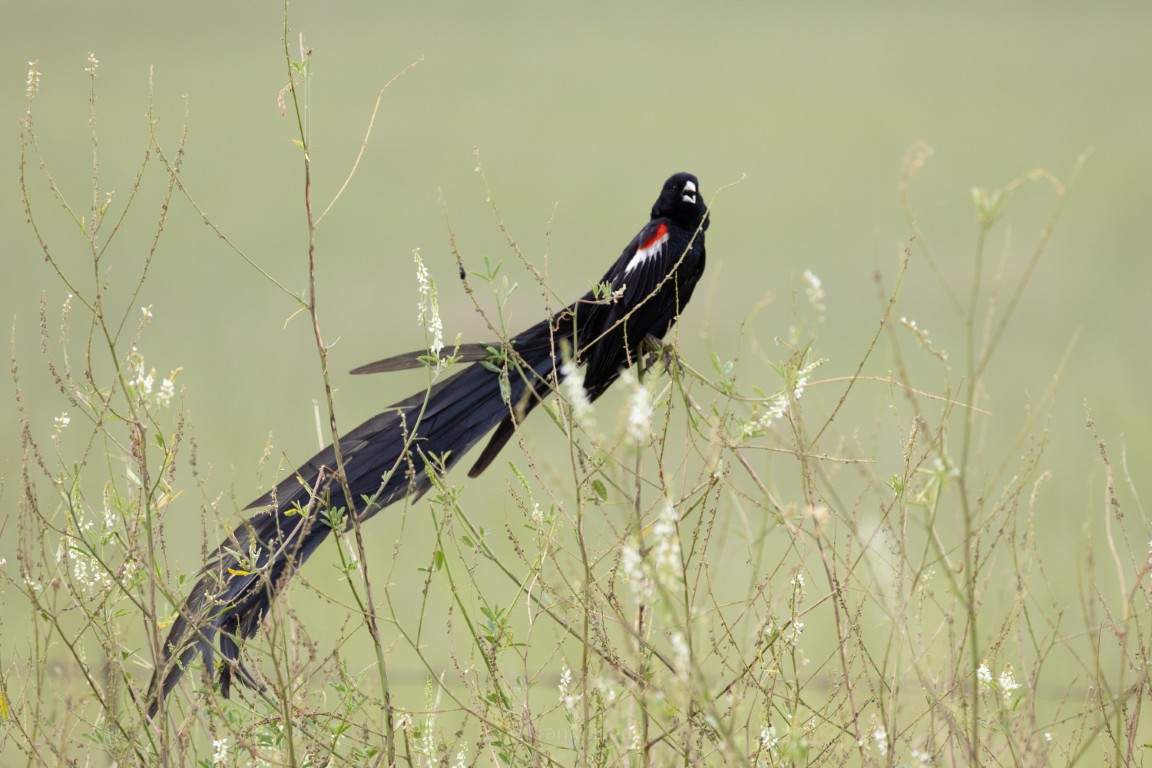
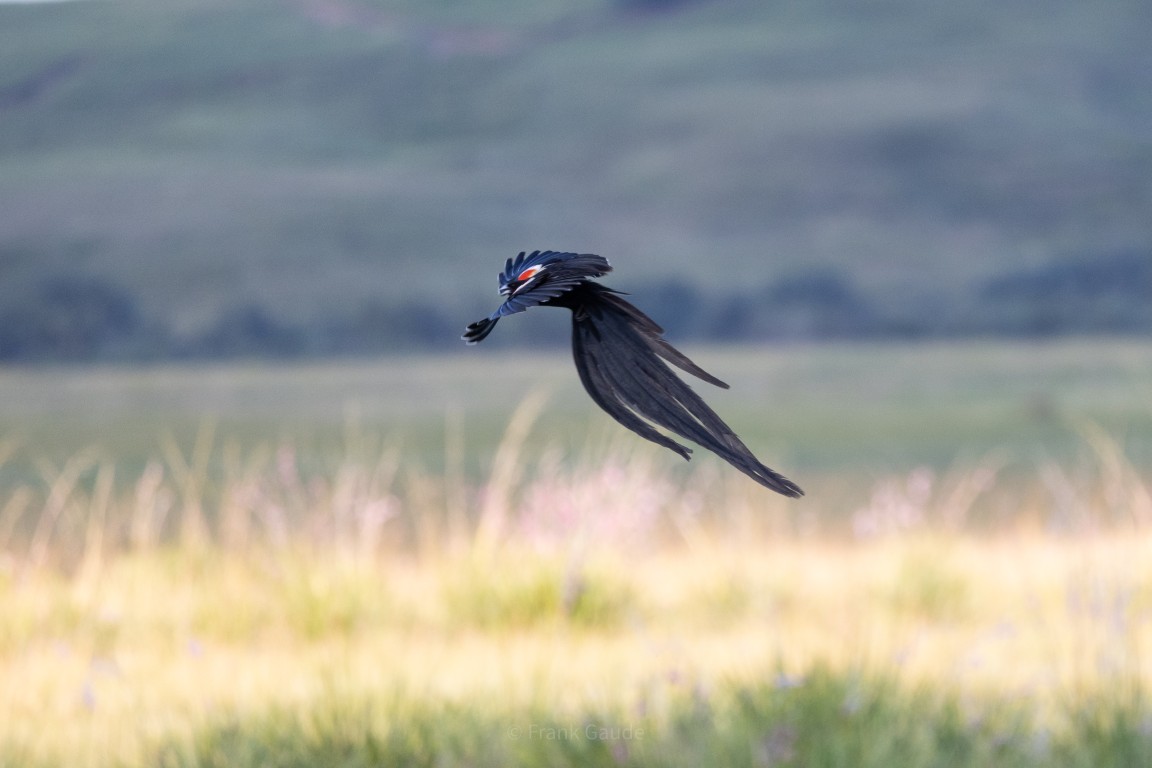
Birds to be seen include Yellow-billed Kite, Jackal Buzzard, Croaking Cisticola, Fan-tailed Widowbird, Red-winged Francolin and White-necked Ravens. Overnight in Port Edward.
Overnight at Umtamvuna River Lodge.
Day 3.
This is a transfer day from Port Edward to our accommodation in the Southern Drakensberg. We
will cover approximately 300 kms, which will mean about 4 hours of driving.
Before we start the journey, we make an early morning excursion to Mpenjati Nature
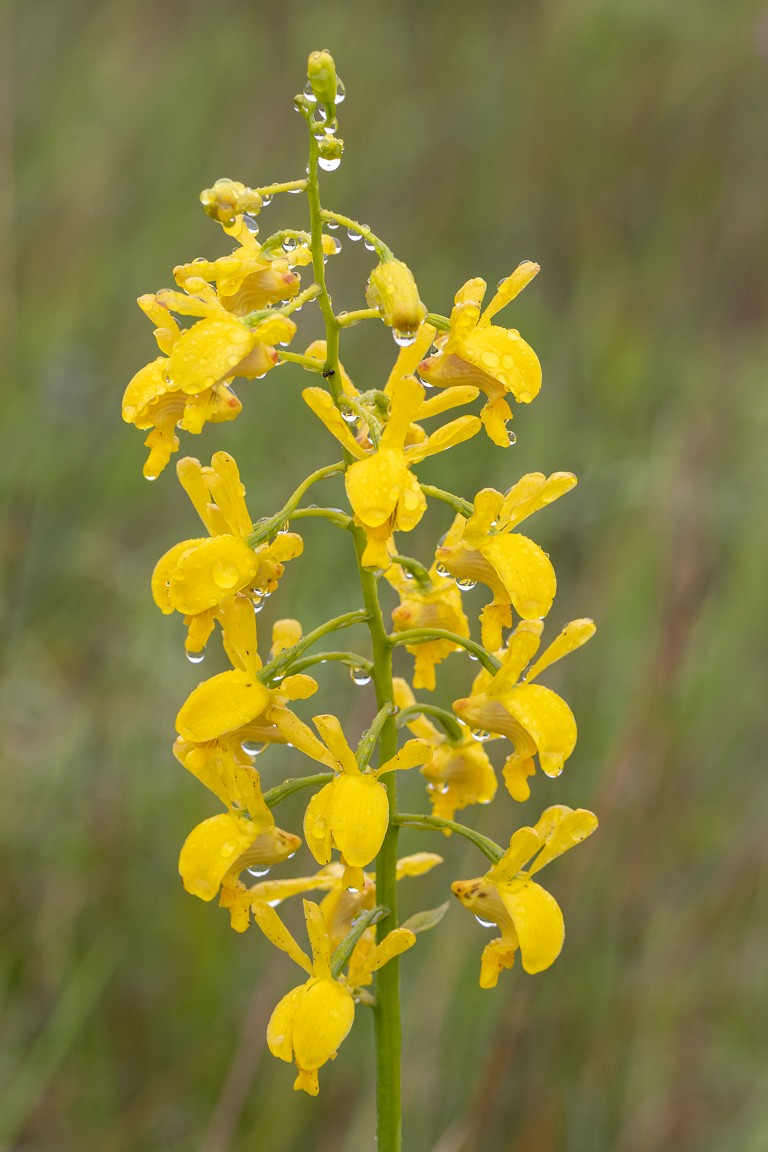
Reserve close to Port Edward where we hope to see the impressive yellow orchid Eulophia
angolensis, maybe Eulophia speciosa and certainly the beautiful Flame Lily Gloriosa superba. We will walk through interesting Dune Forest and see Aloe thraskii, the dune-stabilising Scaevola plumieri and Strelitzia nicolai, the Natal Wild Banana.
Along the road on route to Sani Lodge Backpackers we hope to spot the orchids Brachycorythis
ovata and Satyrium cristatum and hopefully the beautiful Gladiolus dalenii.
Once we have reached our destination at Sani Lodge Backpackers, we will take a little stroll to look for the orchids Disa versicolor, Disa stachyoides and Eulophia zeyheriana. For the next three nights we will stay at Sani Lodge Backpackers outside the village of Himeville next to Cobham Nature Reserve.
Overnight at Sani Lodge.
Day 4
Today we explore the part ‘Garden Castle’ of the World Heritage Site Ukhahlamba Drakensberg
Park. After good summer rains, this area is rich in flowering orchids such as Corycium
dracomontanum, Disa stachyoides, Disperis concinna, Eulophia hians, Habenaria laevigata,
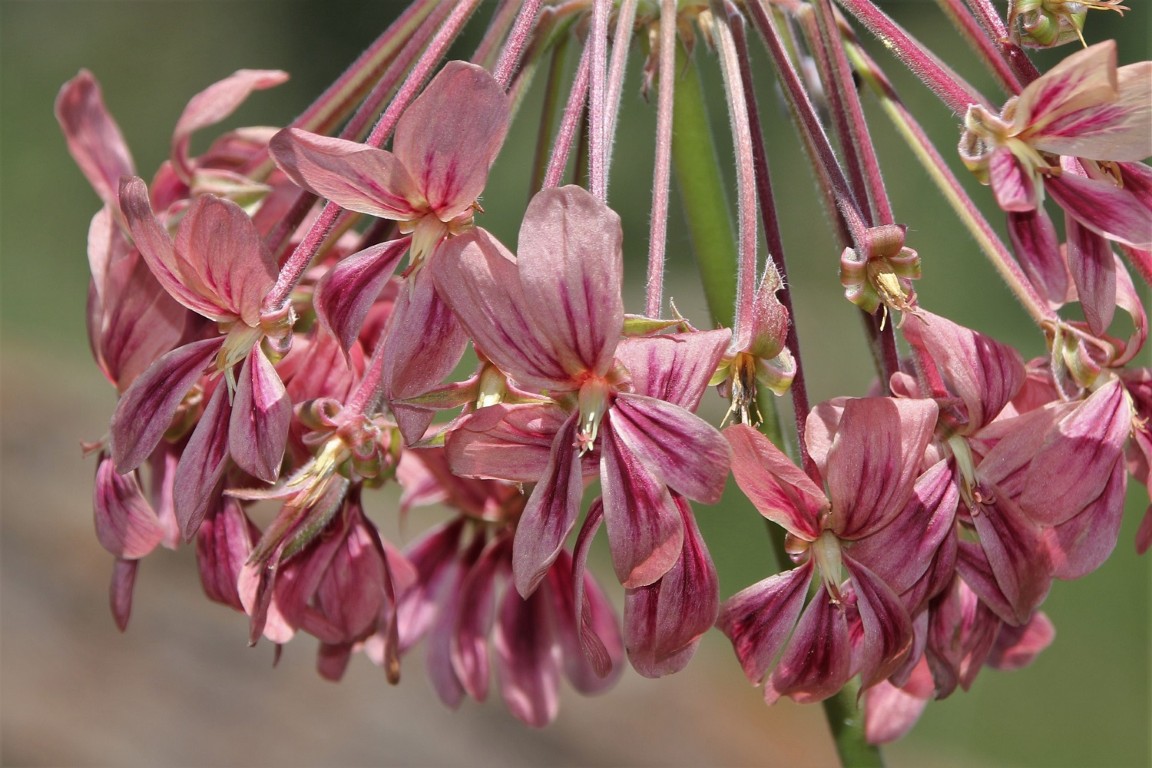
Habenaria dives, Satyrium longicauda and Satyrium neglectum. Other interesting plants include Agapanthus, Crassula vaginata, Cyphia tysonii, Dierama dracomontanum, the beautiful Gladiolus ecklonii, Pelargonium luridum, Protea dracomontanum, and Zaluzianskya microsiphon to mention a few. With a bit of luck we may spot Chacma Baboon and
Eland.
Overnight at Sani Lodge.
Day 5
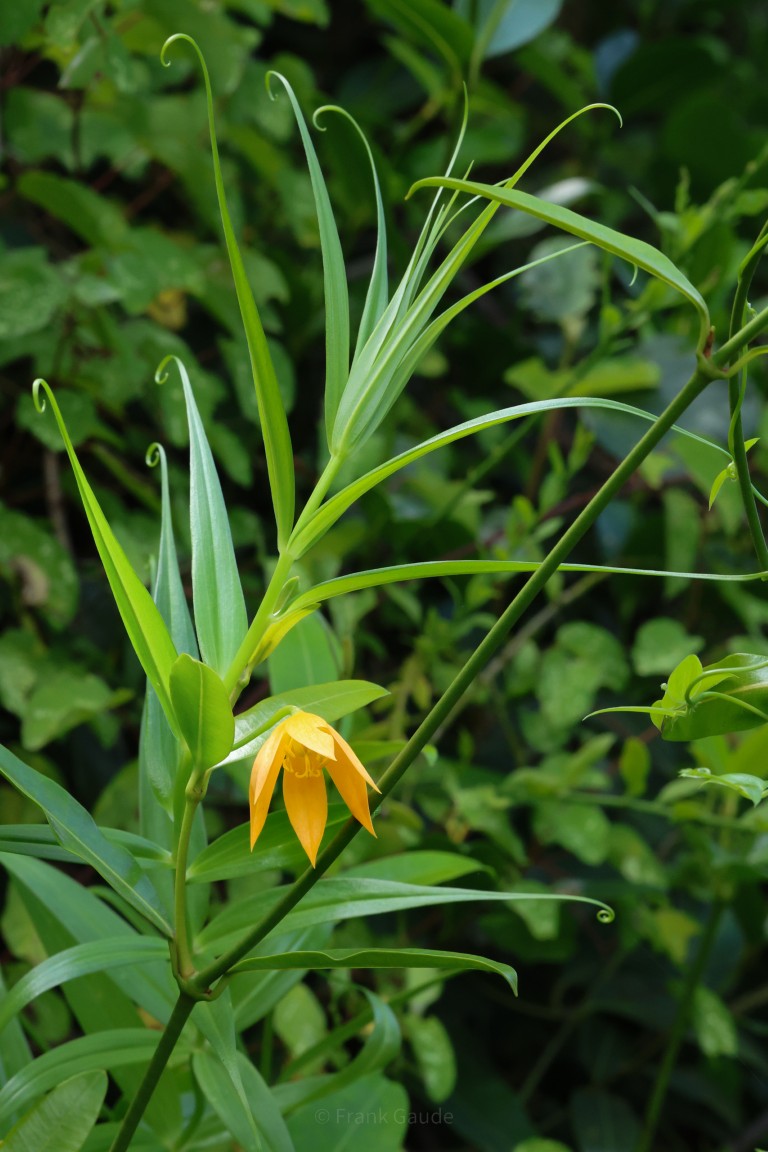
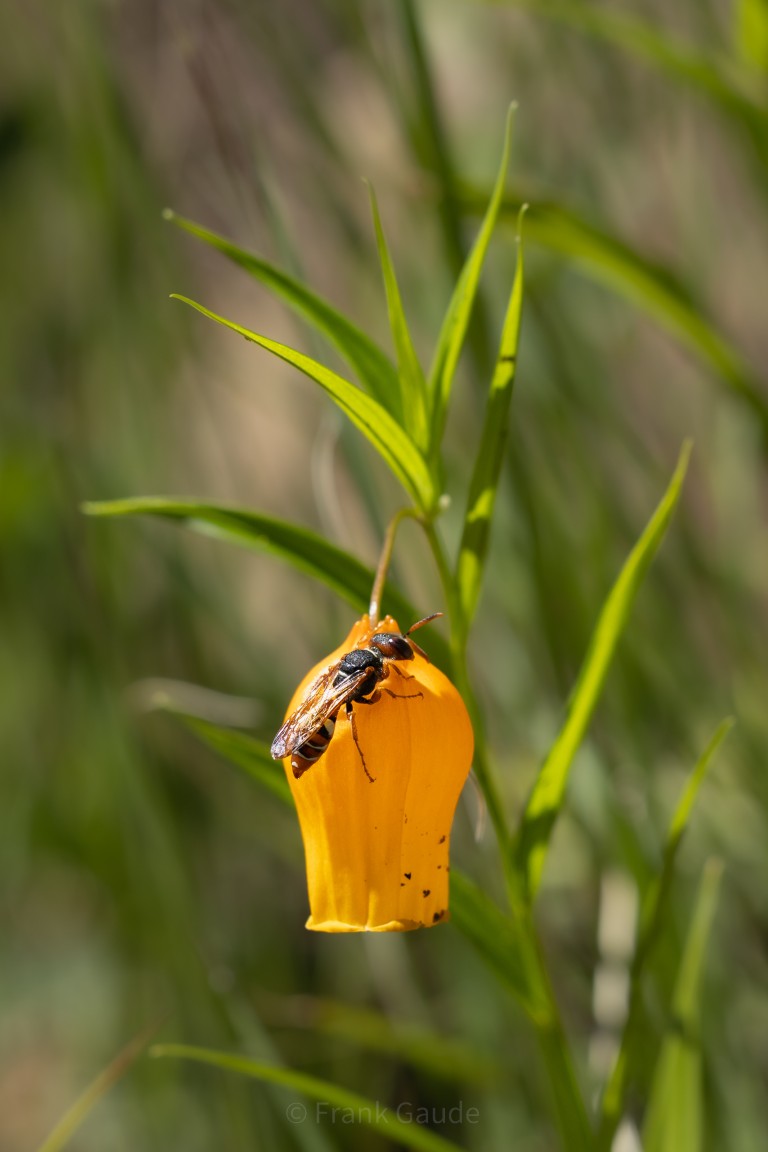
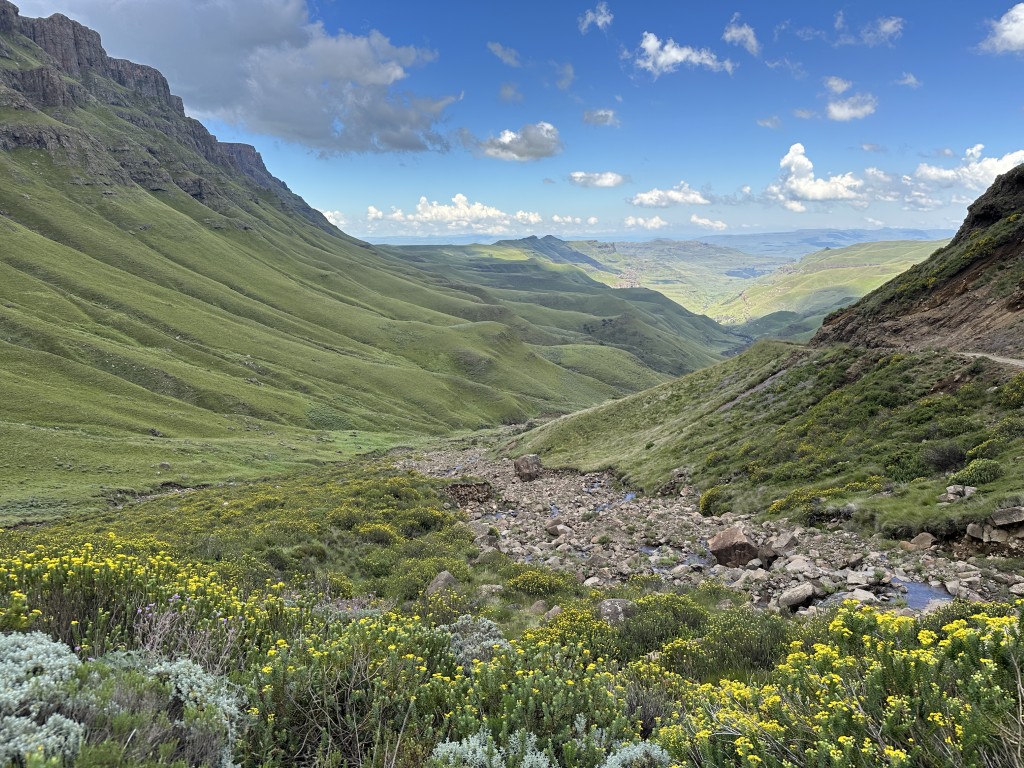
Today we change into 4×4 vehicles and will climb the Sani Pass, crossing the border to Lesotho. We expect to see the orchids Disa cephalotes and several Satyrium species such as longicauda, parviflorum and neglectum. Amongst the bulbous plants we hope to find ‘Drakensberg Hairbells’ Dierama dracomontanum, the ‘Suicide Gladiolus’ Gladiolus flanagannii, Moraea alticola, Rhodohypoxis baurii, and the ‘Christmas Bells’ Sandersonia aurantiaca. Amongst the interesting shrubs are Euryops acraeus, Protea dracomontanum, roupelliae and subvestita, Psoralea rhizomata and several species of Lotononis.
Birds to be seen here include Mountain Wheatear, Red-winged Starling, Drakensberg Siskin,
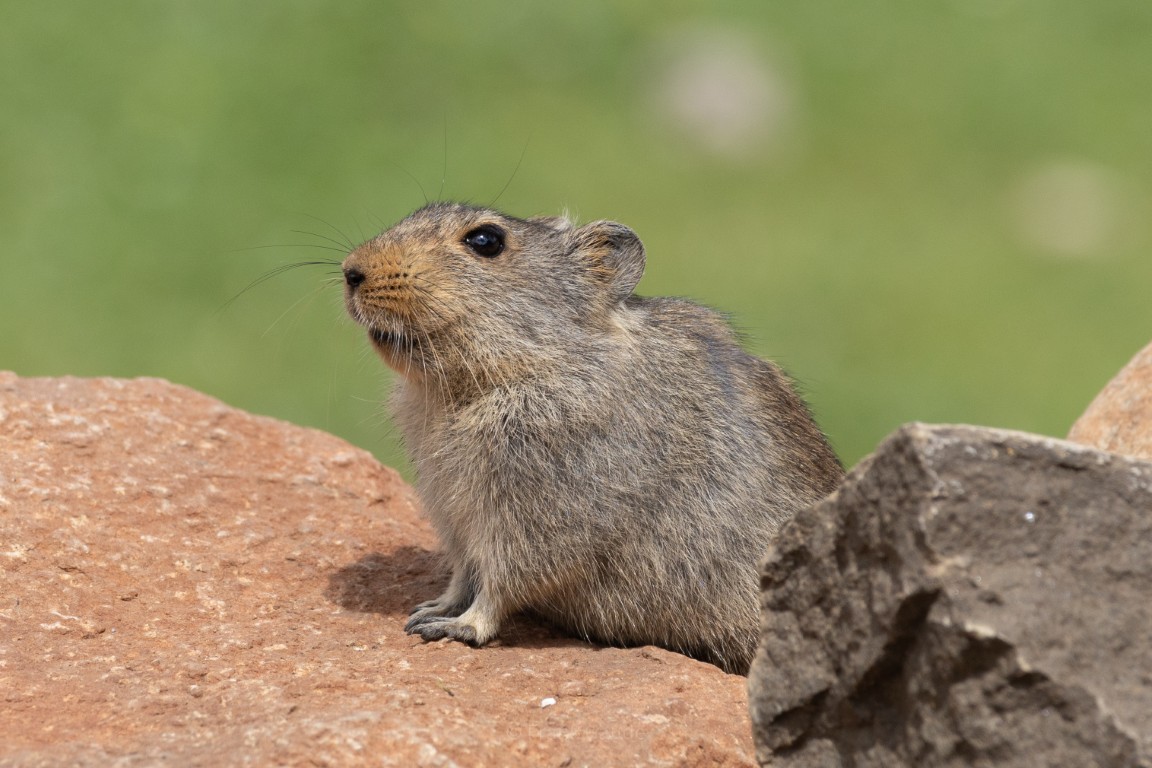
Drakensberg Rock Jumper and Gurney’s Sugarbird. Sloggett’s Icerat’s the equivalent of the Alpine Marmots, are at home as well as the Drakensberg Crag Lizard and Southern Rock Agama.
Overnight at Sani Lodge.
Day 6
From Sani Lodge Backpackers we drive northwards to our next accommodation, a guest farm, near Bergville. This is a fairly long drive leading through a very beautiful and varied landscape. Since we are likely to see a lot on route, this transfer will probably take most of the day with lots of exciting sightings of plants and birds.
Possible birds along the way are Amur Falcon, Fiscal Shrike, Jackal Buzzard Long-tailed Widowbird, Sacred Ibis and Secretary Bird. Larger mammals of the area include Baboon, Blesbok, Eland and Reedbuck.
Overnight at Dalmore Guest Farm.
Day 7
Today we make an excursion to the protected area around Cathedral Peak. Apart from the
imposing landscape dominated by the towering Cathedral Peak, we will explore the grasslands in
the reserve with its various plants. Typical for the area is the Mountain Cabbage Tree (Cussonia
aniculate), amongst the taller shrubs are Protea roupelliae and Searsia discolor.
We will look for Artemisia afra, Crocosmia aniculate, Geranium wakkerstroomianum, Gloriosavmodesta, Satyrium cristatum, Wahlenbergia krebsii and hopefully many more.
Overnight at Dalmore Guest Farm.
Day 8
The Drakensberg’s most famous vista, the Amphitheatre in the Royal Natal National Park forms
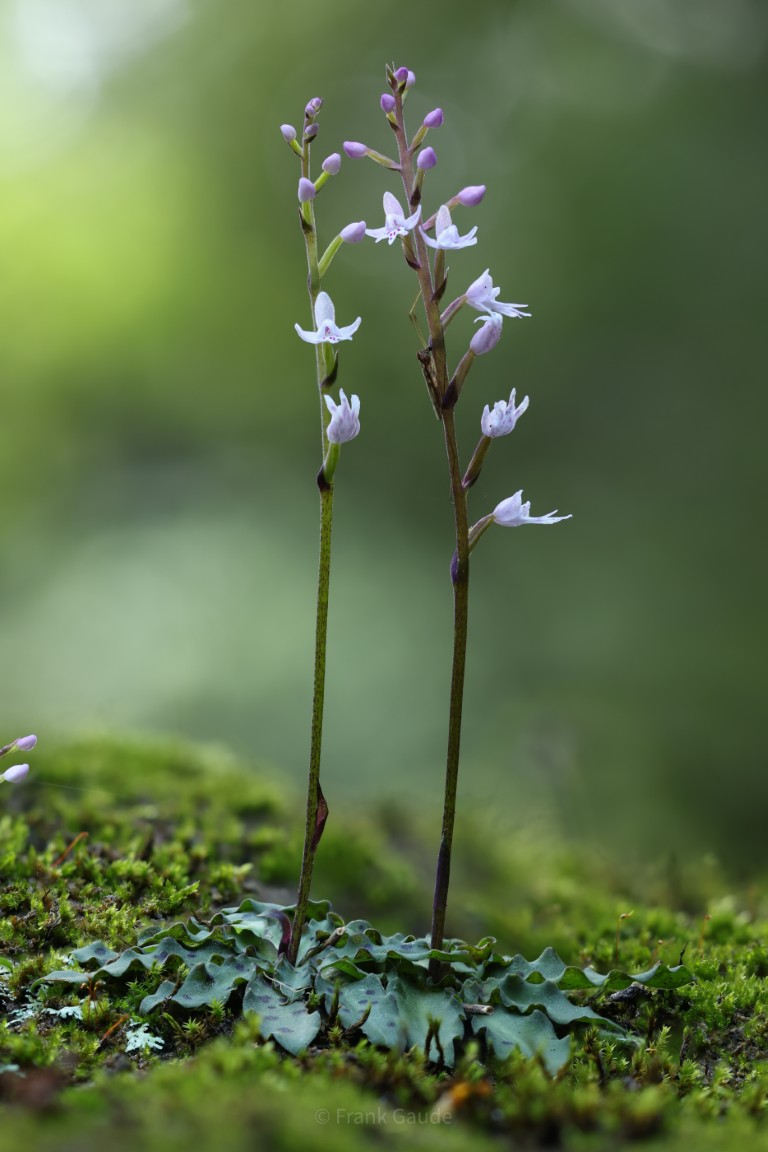
part of today’s program.We leave Dalmore in the morning and drive for about 70 km / 1 hours to The Royal Natal National Park where we will be botanizing and on the watch for butterflies, birds, mammals and other animals. We shall explore the grasslands and forest areas for Agapanthus, Aloe aristata,Begonia sutherlandii, Carissa bispinosa, Diospyros whyteana, Gladioli, Hesperantha coccinea, Monsonia attenuatum and Schizoglossum atropurpureum. Furthermore, the orchids Lipari sbowkeri, Disperis fanniniae and Habenaria malacophylla and the ferns Pteris cretica and Adiantum poiretii.
After our visit to the Royal Natal National Park we carry on with our journey to Witsieshoek
Mountain Lodge, located in the Eastern Free State, where we will stay the following four nights.
We will reach Witsieshoek after another 220 km / 3 hour drive.
Overnight at Witsieshoek Mountain Lodge.
Day 9
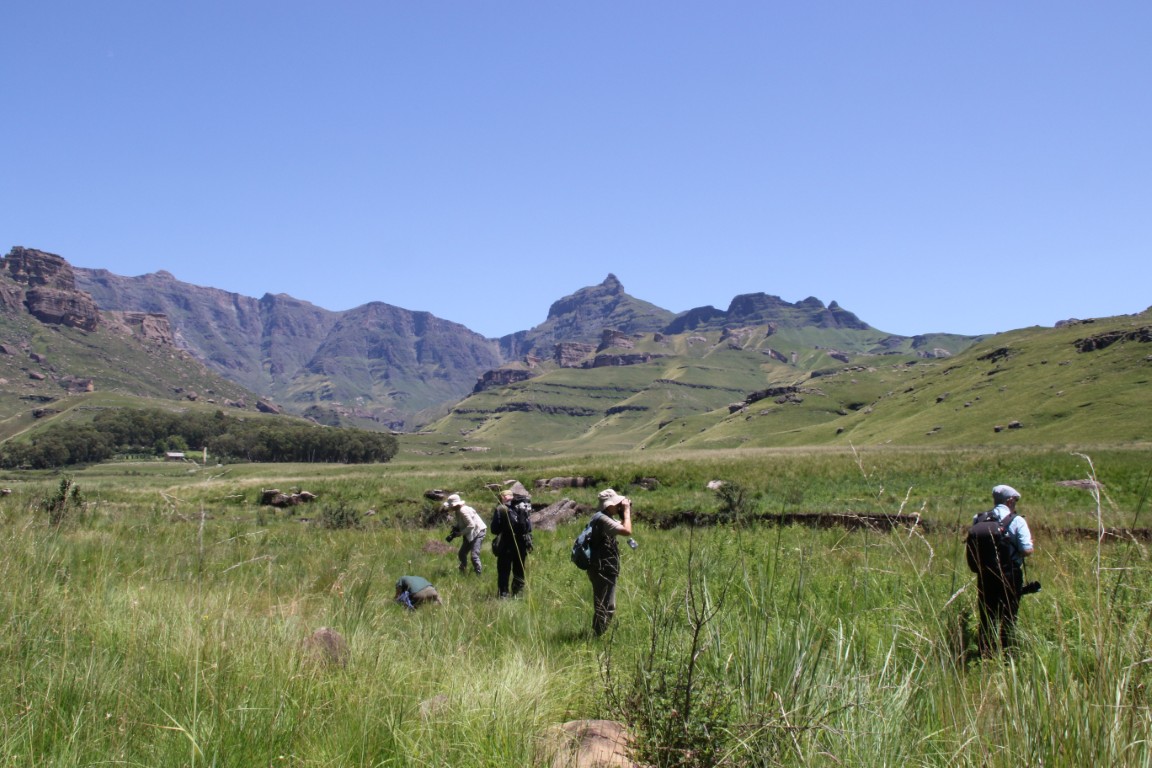
The area around Witsieshoek is one of the richest alpine areas in the Drakensberg.
From Witsieshoek Mountain Lodge we will walk along a gentle mountain path and take in as muchof the grand landscape with its abundance of flowering plants. Some of the orchids we see will be old acquaintances, like Satyrium parviflorum and neglectum. Other species are Corycium
nigrescens, Disperic wealii, Disperis cardiophora, Disperis concinna and Pterygodium magnum.
Some of the bulbs are Galtonia candicans, Gladiolus crassifolius, Gladiolus ecklonis, Gladiolus
microcarpus, the Pineapple Flowers Eucomis autumnalis and Eucomis bicolor and others.
Sometimes it is possible to see Bearded Vultures in the vicinity of the lodge.
Overnight at Witsieshoek Mountain Lodge.
Day 10
Today we shall drive higher in 4×4 vehicles and then walk on to views of the Sentinel.
Orchids to be seen are Disa fragrans, Disa versicolor, Disperis fanniniae, Disperis stenoplectron, Habenaria sp, Pterygodium hastatum, Schizochilus angustifolius. Other exciting plants are several Kniphofia species (porphyrantha, ritualis and fibrosa) Agapanthus sp and Nerine bowdenii.
Overnight at Witsieshoek Mountain Lodge.
Day 11
We visit the Golden Gate National Park, about an hour’s drive from our Lodge.
Here we will make use of the roads within the national park and drive the two available circular
routes, Oribi and Blesbok Loop. Here we hope to see some game such as Black Wildebeest,
Burchell’s Zebra and Chacma baboon, as well as several bird species. Interesting plants along the
road include Disa cooperi, Disa versicolor, Euphorbia clavarioides and Pelargonium sidoides.
On a walk in the national park we will look out for other flowering plants such as the tiny but
beautiful Monopsis decipiens. The area is rich in butterfly species such as the endemic Golden
Gate Widow Butterfly (Torynesis organica), Table Mountain Beauty (Aeropetes tulbaghia), Riley’s Copper (Aloeides simplex), Yellow Pansy (Junonia hierta) and the Pirate (Catacroptera cloanthe).
Overnight at Witsieshoek Mountain Lodge.
Day 12
After breakfast we drive to Howick, about 320 km / 4 hours. After lunch we will visit Umngeni
Valley Nature Reserve, home to larger mammals, birds, butterflies and interesting plants.
Overnight at Old Halliwell Country Inn.
Day 13
Transfer from Howick to King Shaka Airport, about 150 km, 2 hours.
Frank Gaude
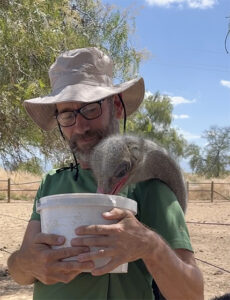 Frank, originally from Germany, has been living in Cape Town since 1997, when he moved there to pursue postgraduate studies at the University of Cape Town. Frank is an accredited, English and German-speaking tour guide and mountain guide in South Africa.
In 1997 his university studies drew him to Cape Town, where he planned to spend a year studying in Africa. However, that one year didn’t last, and a few years later he completed a Master’s degree in Social Anthropology at the University of Cape Town. He can easily and passionately engage in conversations about the social, cultural, political, and historical aspects of South Africa.
After completing his studies in the humanities it seemed only natural for Frank to turn his passions into his profession. He began introducing visitors to the natural beauty of South Africa and has now been working as a full-time tourist guide for around 25 years.
From childhood, Frank has been fascinated by nature. A particular focus of this fascination has been the orchid family, as well as many other monocotyledonous plant families. Another strong interest of his is the world’s herpetofauna.
In his spare time, Frank travels to destinations across Africa, Europe, and the Middle East to observe and photograph animals such as rare snake species and elusive chameleons. Hiking is another of his passions, and long walks combined with sightings of endemic monocots—such as orchids, irises, and lilies—are, for Frank, the perfect pastime.
Frank conducted his first orchid tour with Yiannis Christofides in January 2020. Since then, he has looked forward to every nature trip in South Africa, where he can apply his extensive knowledge of locations and flowering seasons to show visitors a glimpse of the country’s remarkable biodiversityHis greatest interest now lies in the unique natural landscape of South Africa.
The breathtaking, expansive scenery with its impressive mountain formations, best explored on hikes or drives along adventurous mountain passes. Or the great diversity of South Africa’s flora, especially (but not exclusively) the Fynbos of the Cape region, the succulent Karoo of Namaqualand, and the alpine vegetation of the Drakensberg Mountains. And last but not least, the many fascinating animal species, from enormous whales and elephants to tiny chameleons and butterflies.
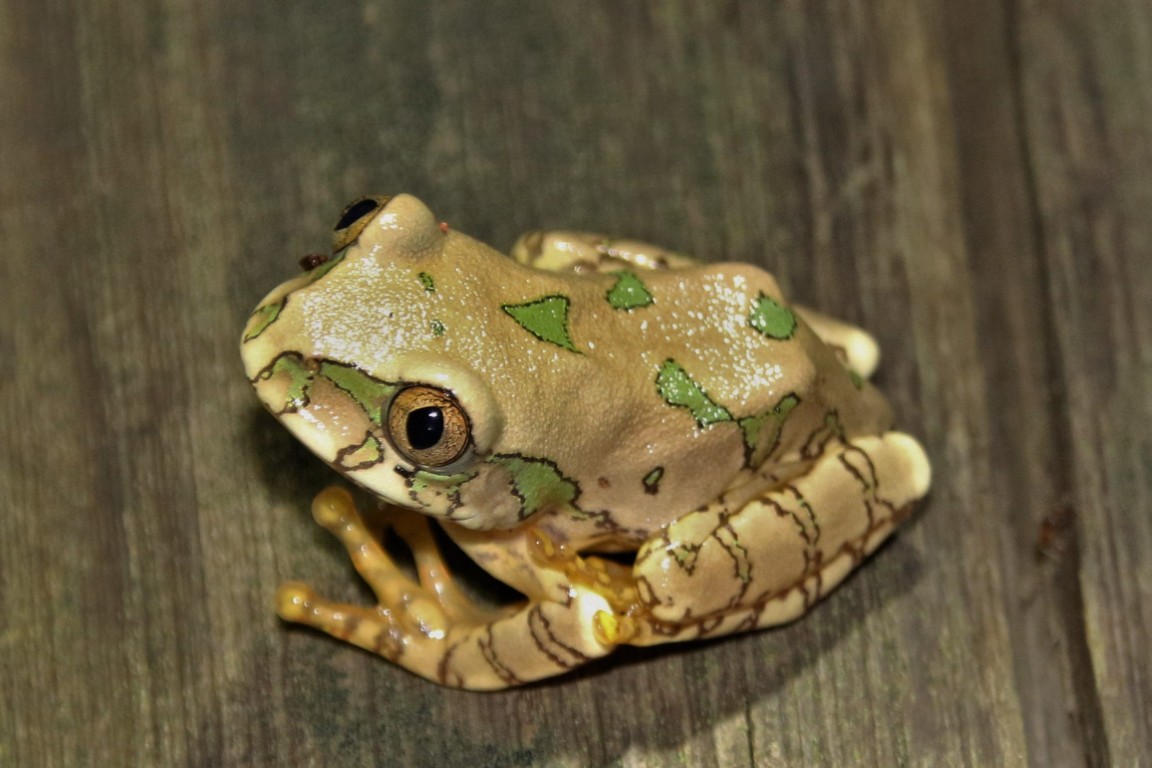
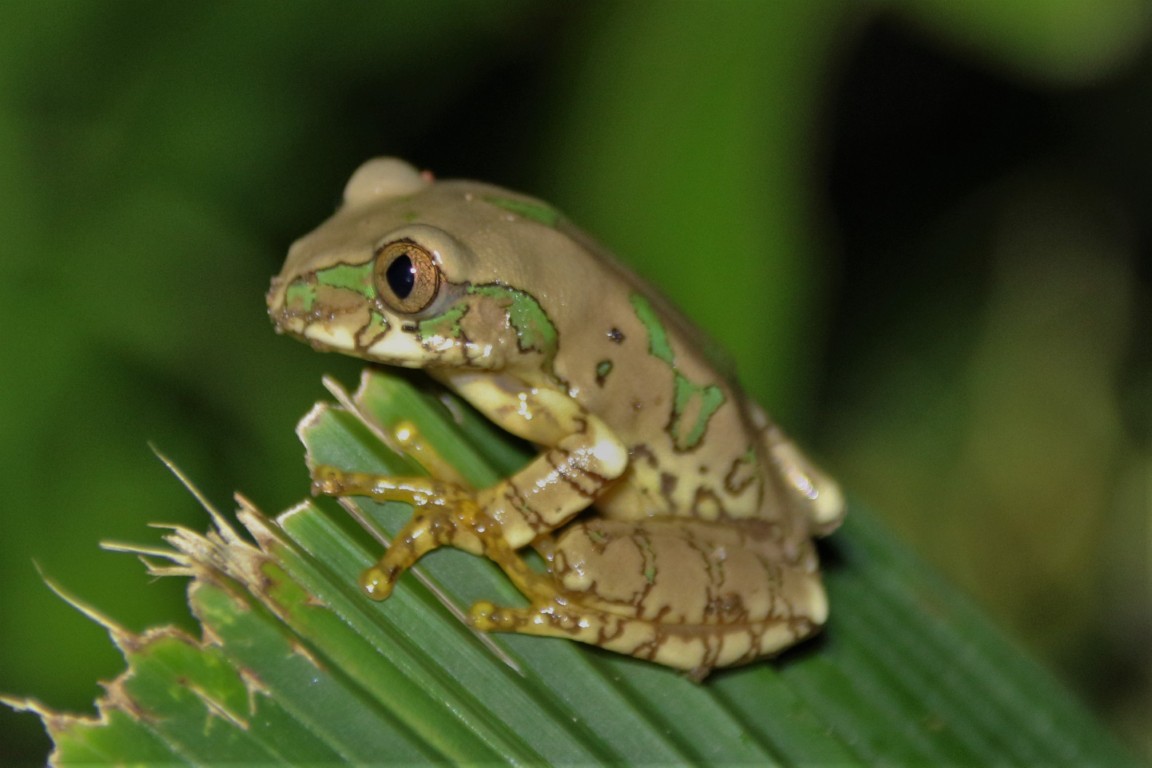
Where possible, encounters with reptiles and amphibians are also included in these itineraries, and many visitors have discovered—or deepened—their interest in herpetology along the way.
Frank is well versed in the flora of South Africa, and has conducted numerous botanical tours in the past. He was our guide in our South Africa Cape tour in 2024.




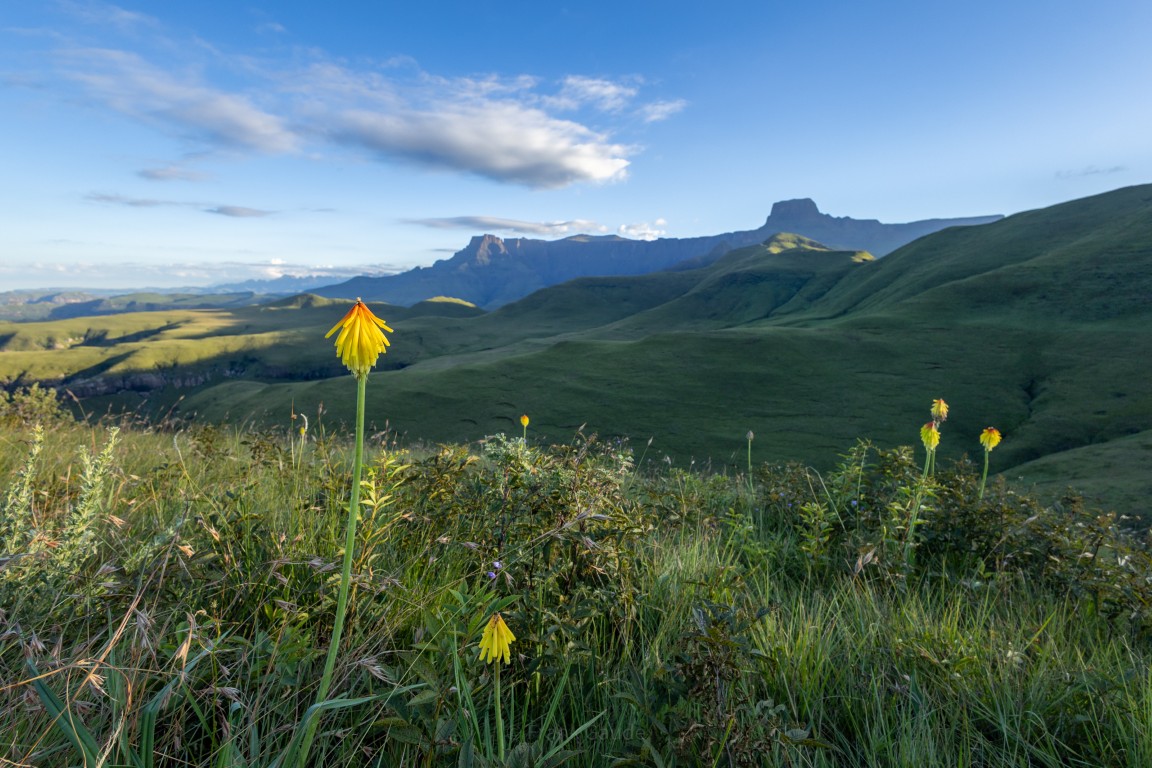
One of the largest alpine zones in South Africa & we’ll visit to take advantage of peak summer flowering
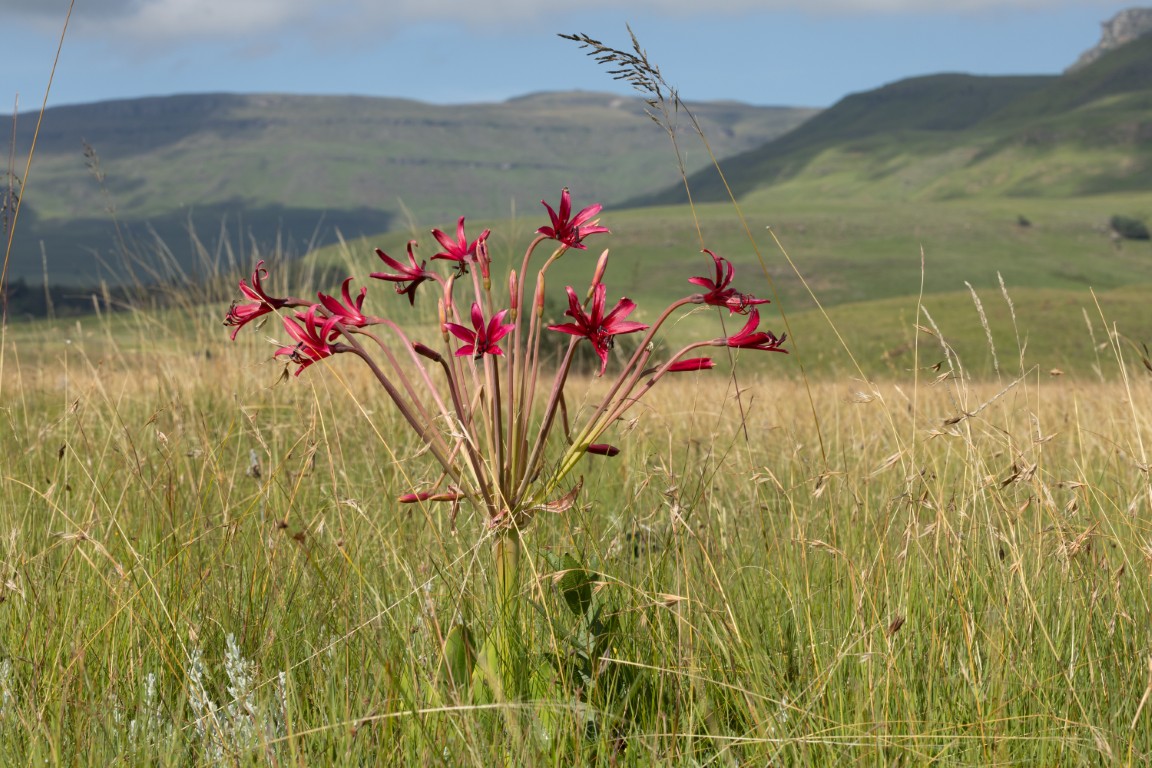
A veritable treasure trove of flowers with over 2000 species and several hundred endemics!
Many different habitats visited including Afromontane forests and high-altitude Austro-Afro Alpine grasslands
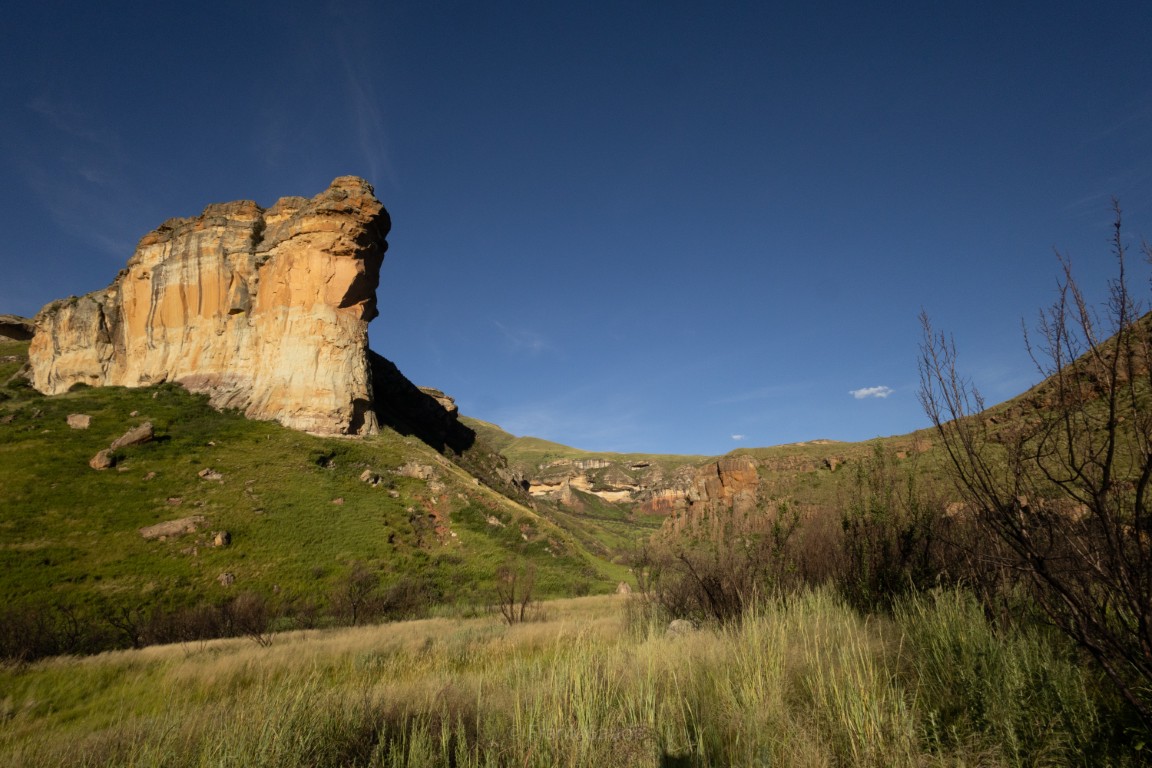
Visit world famous landscapes and locations such as the Sani Pass, Cathedral Peak, Sentinel, and the Golden Gate National Park
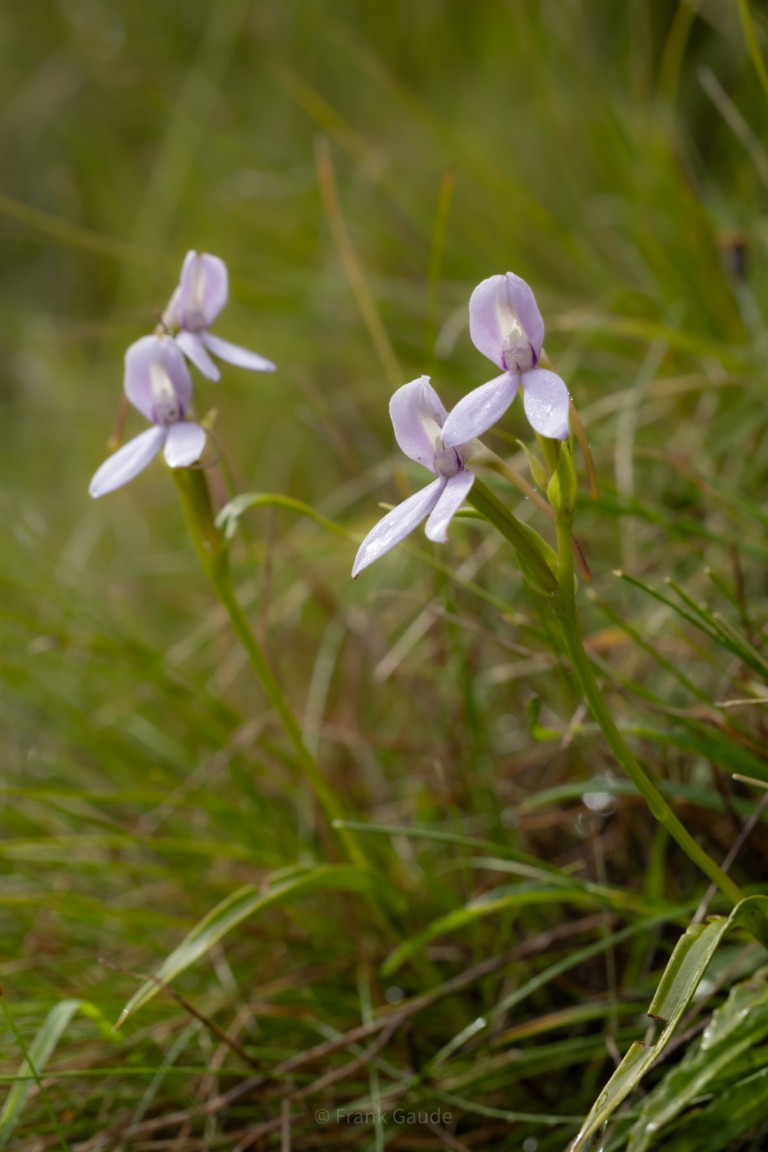
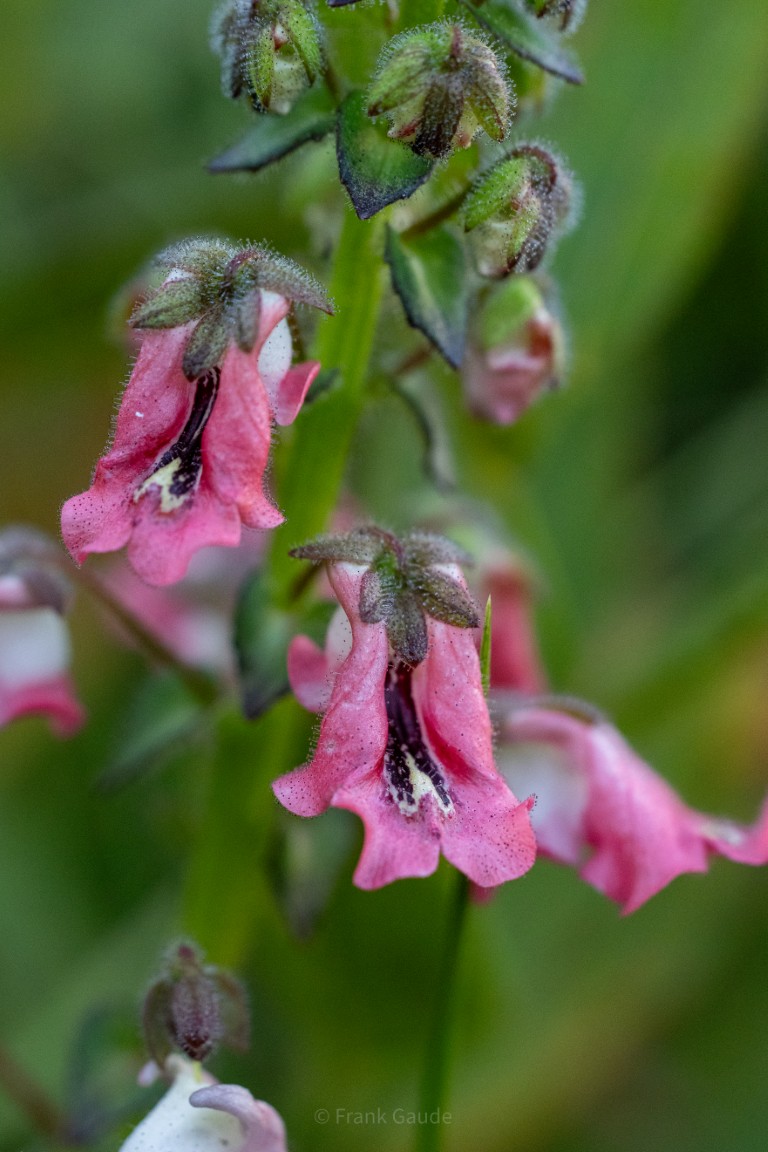
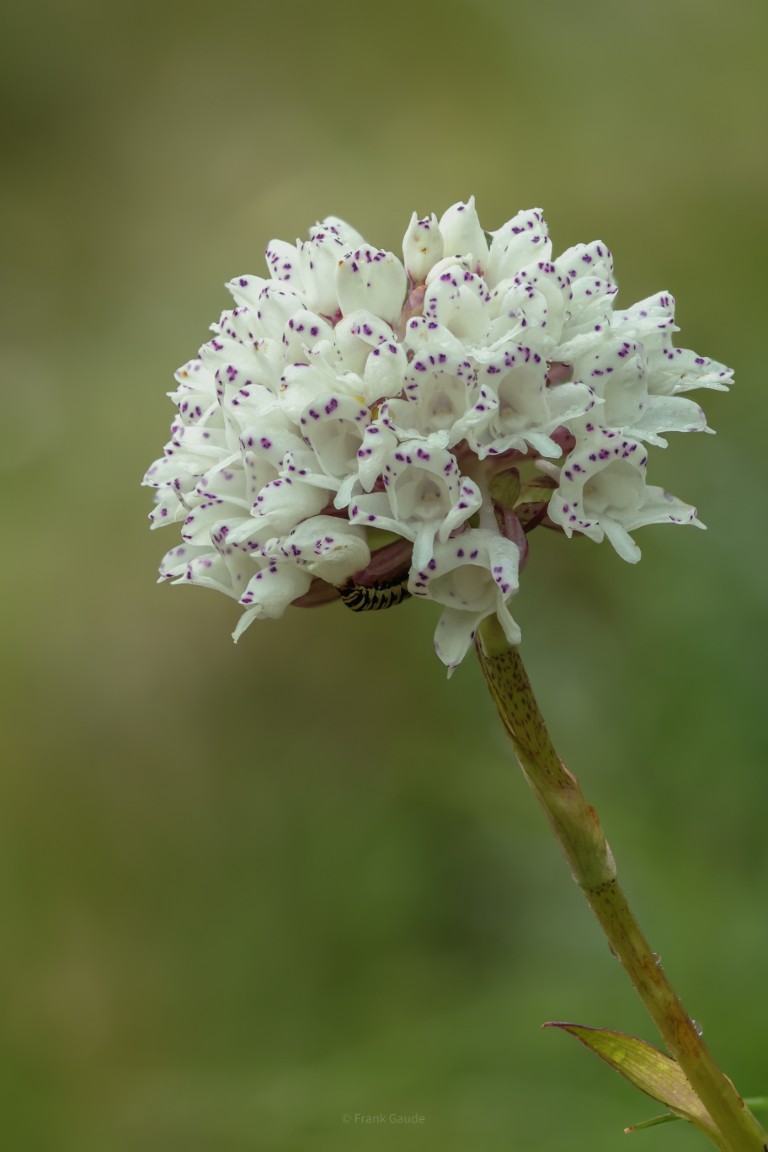
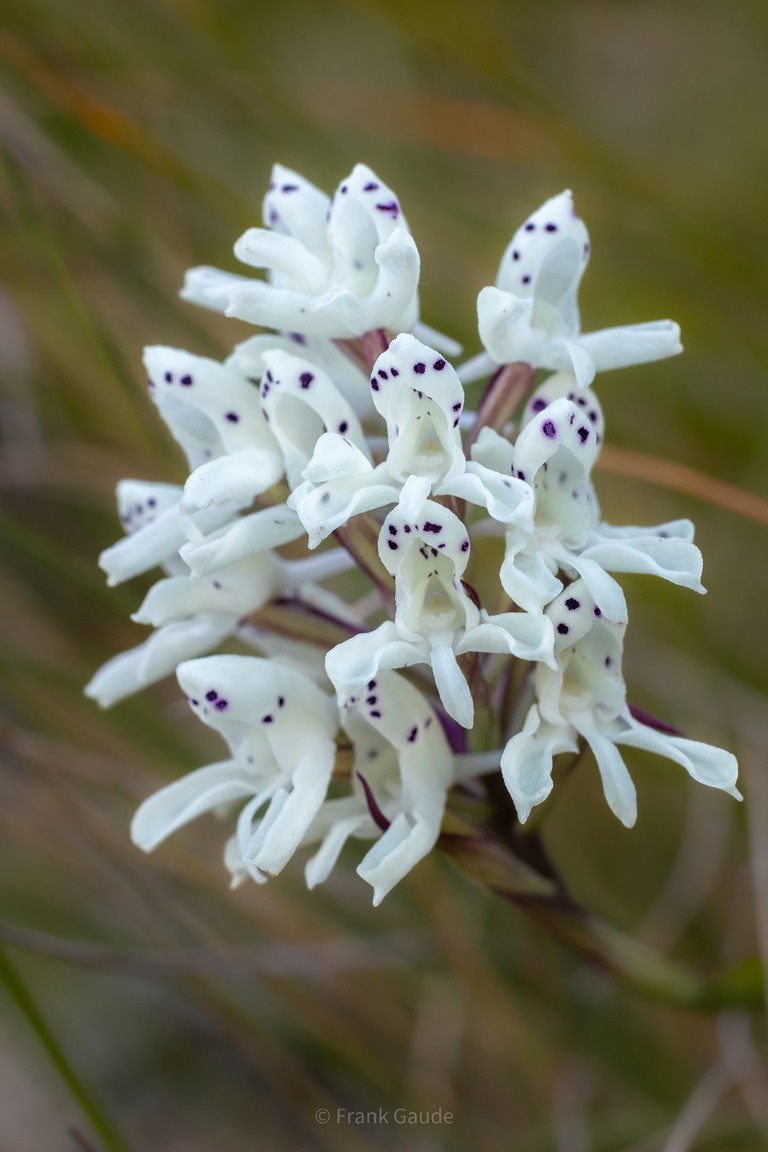
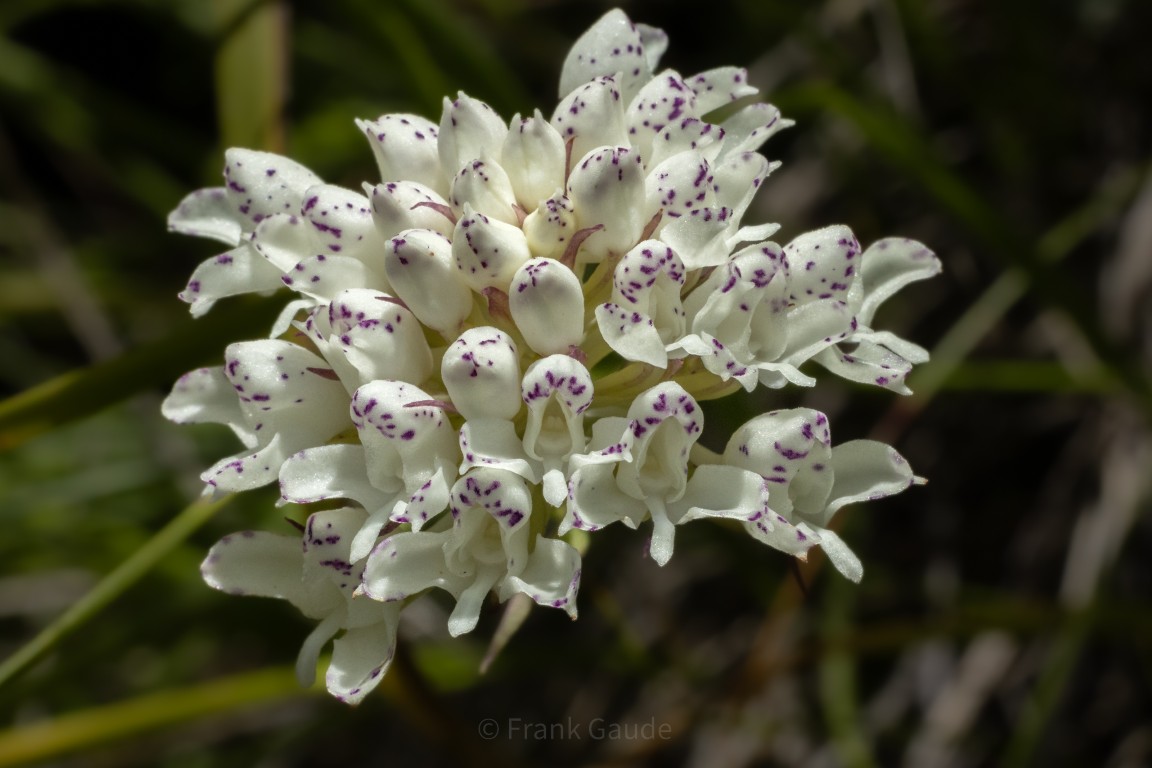
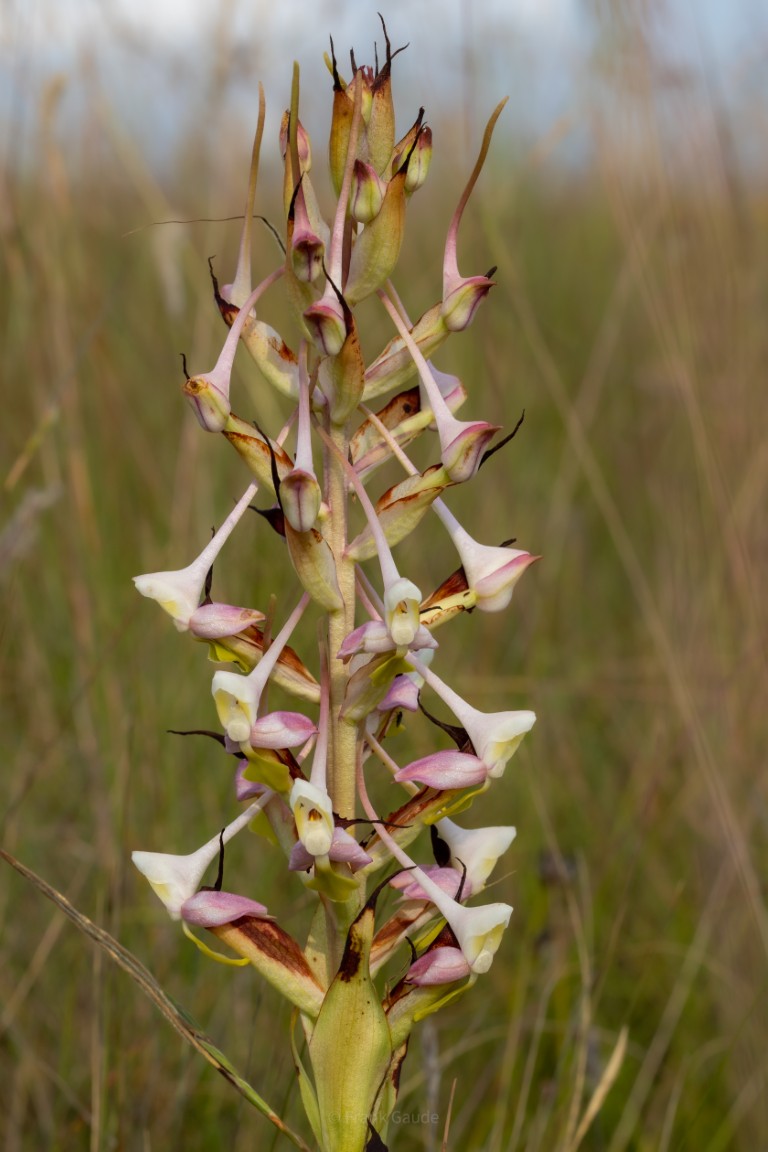
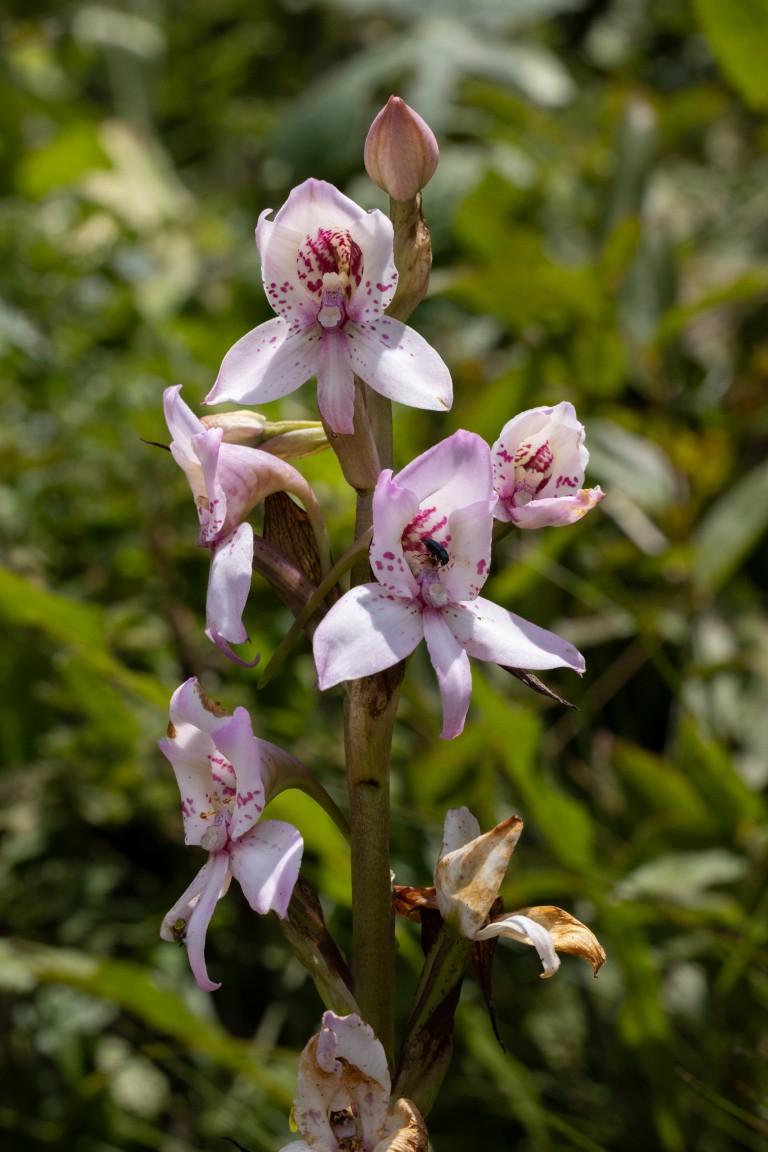
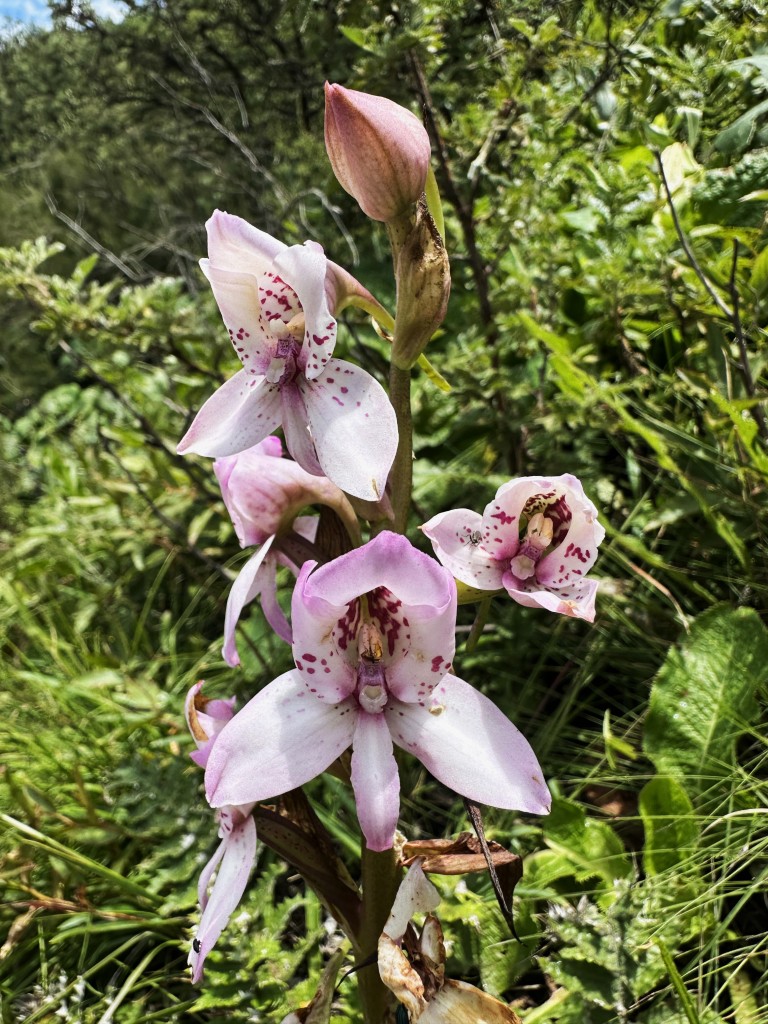
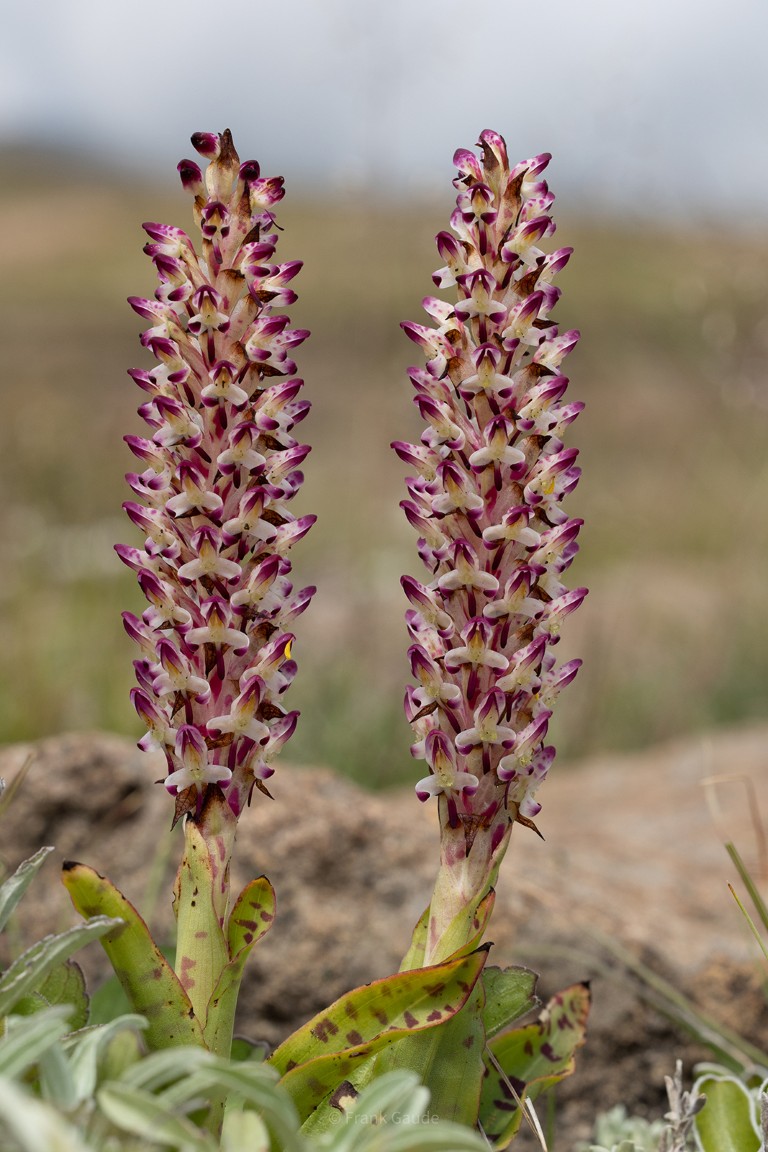
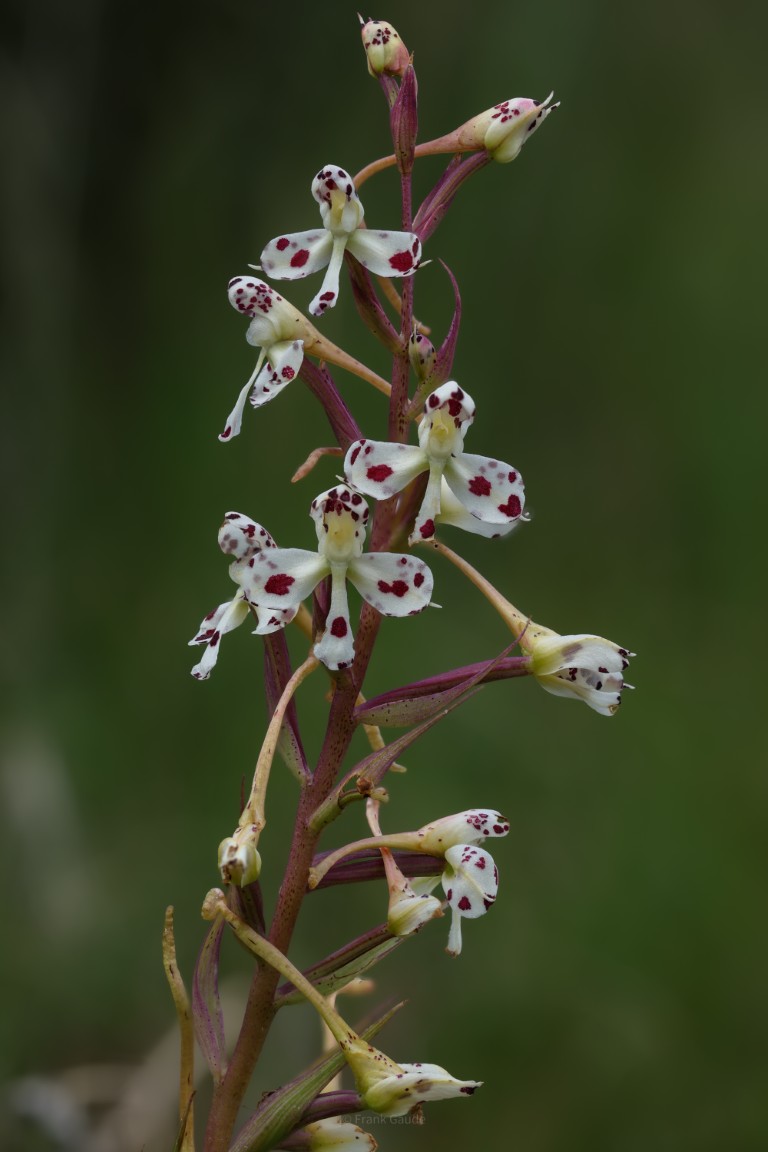
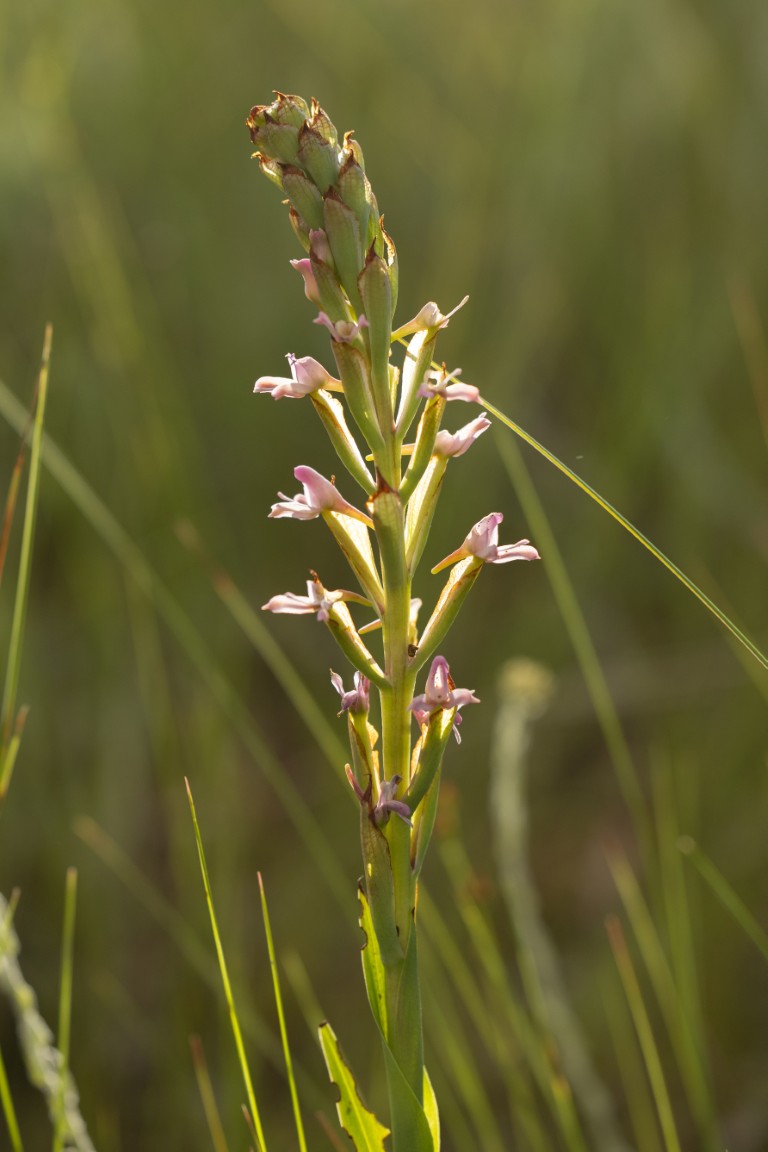
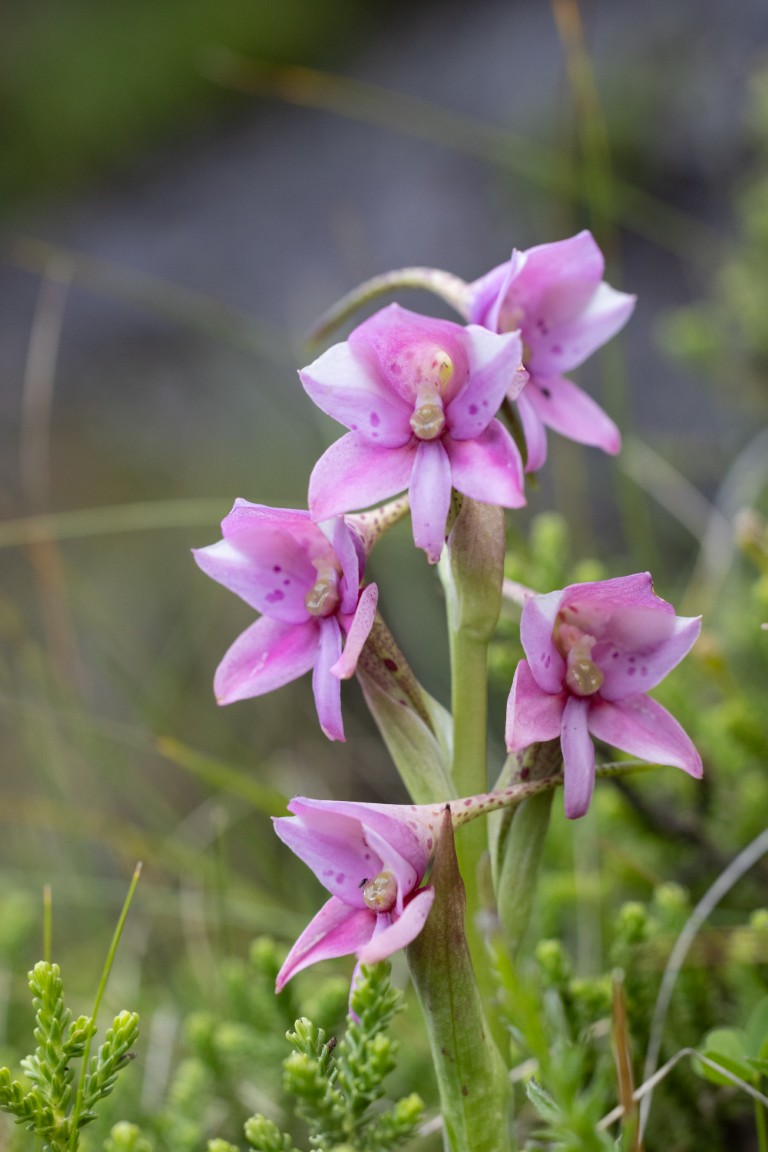
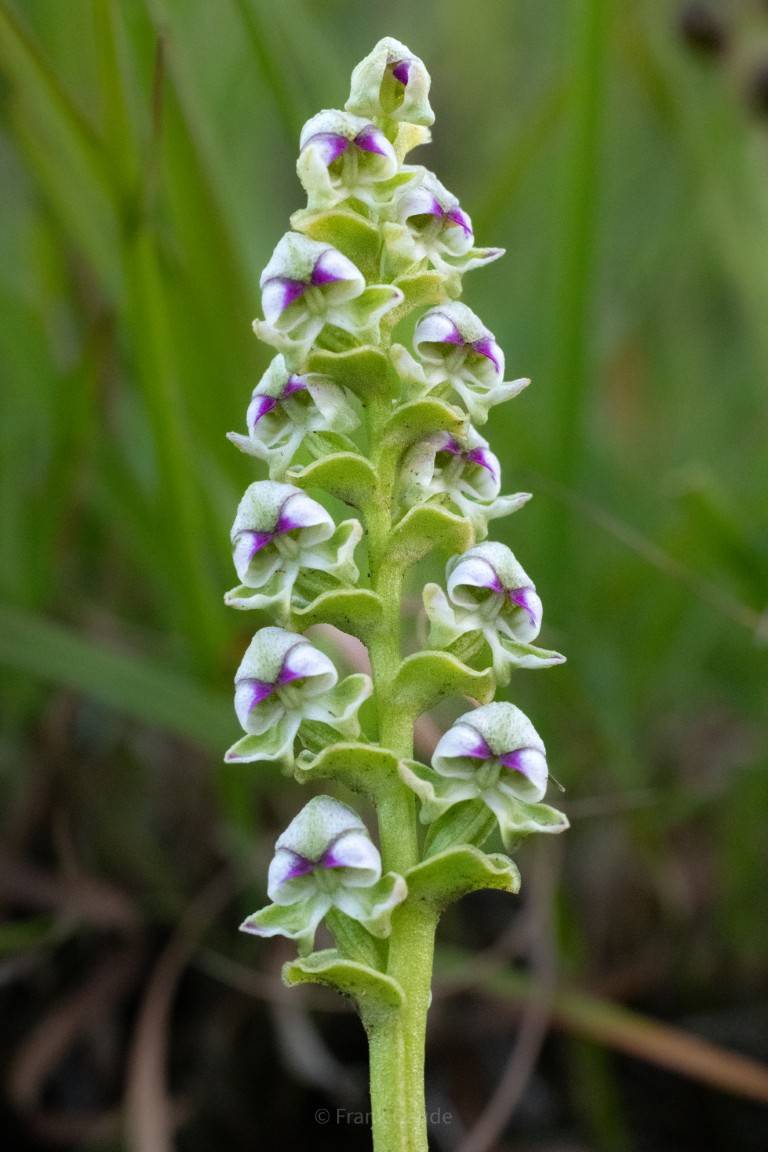
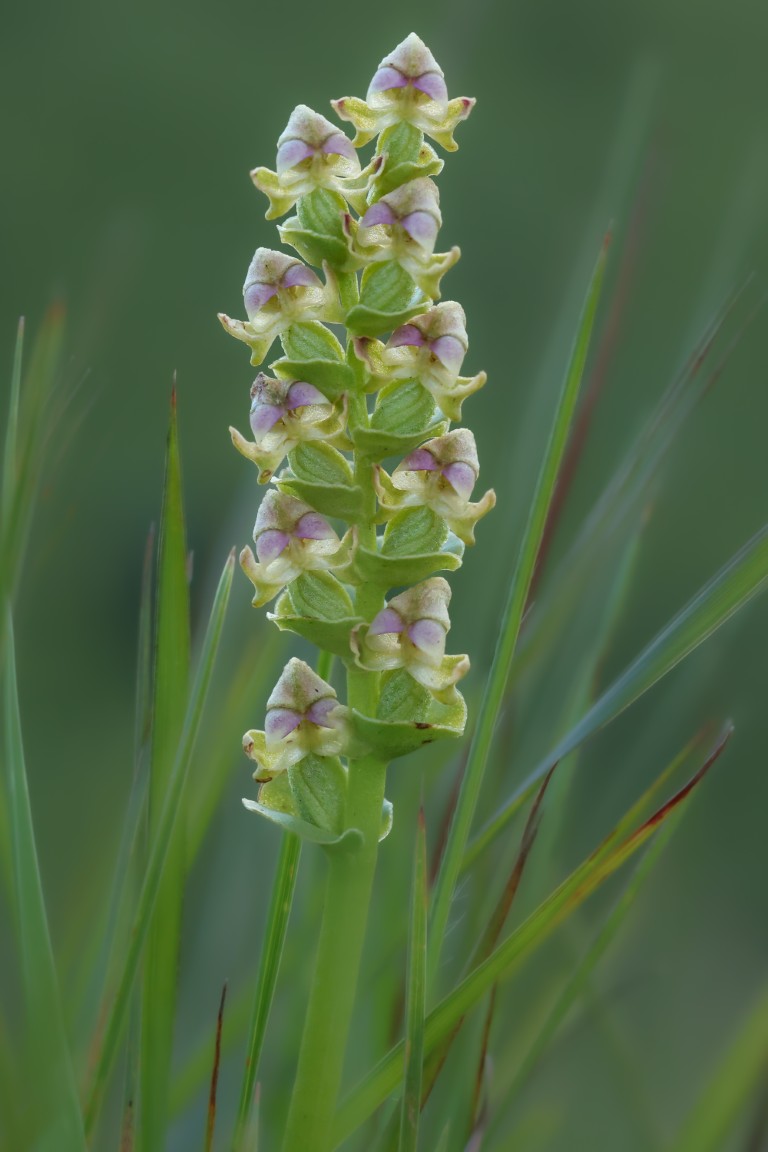
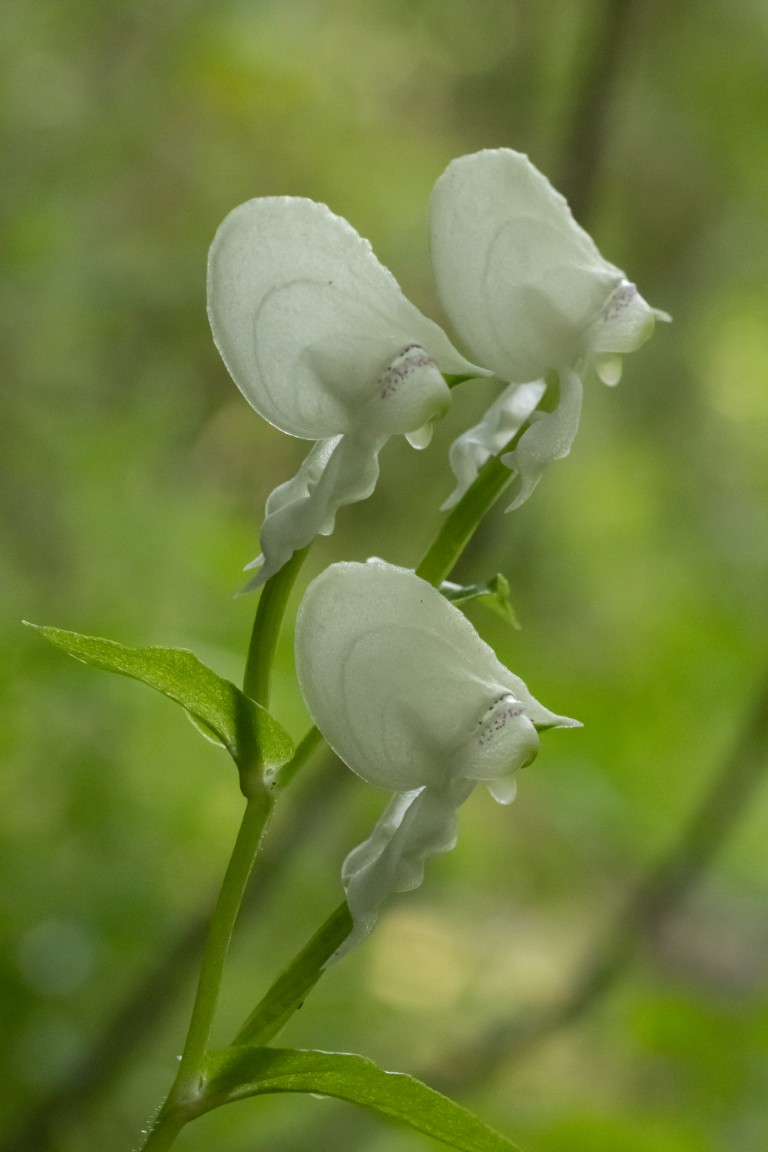
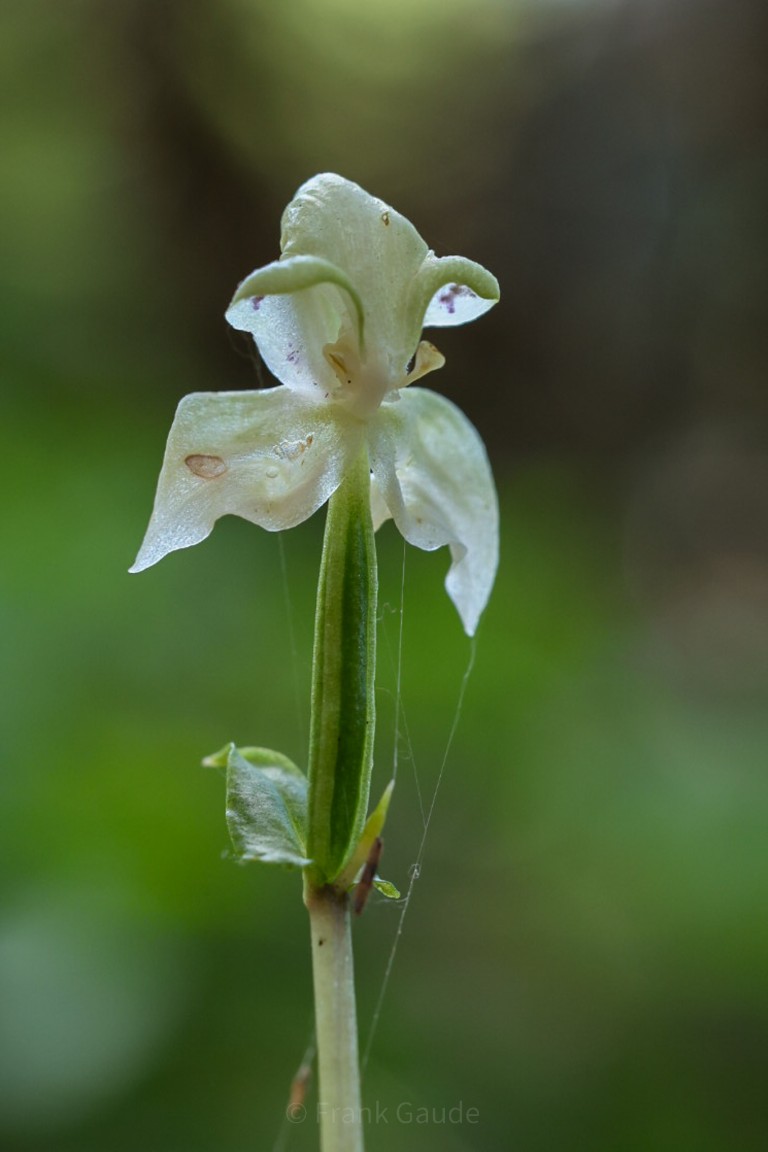
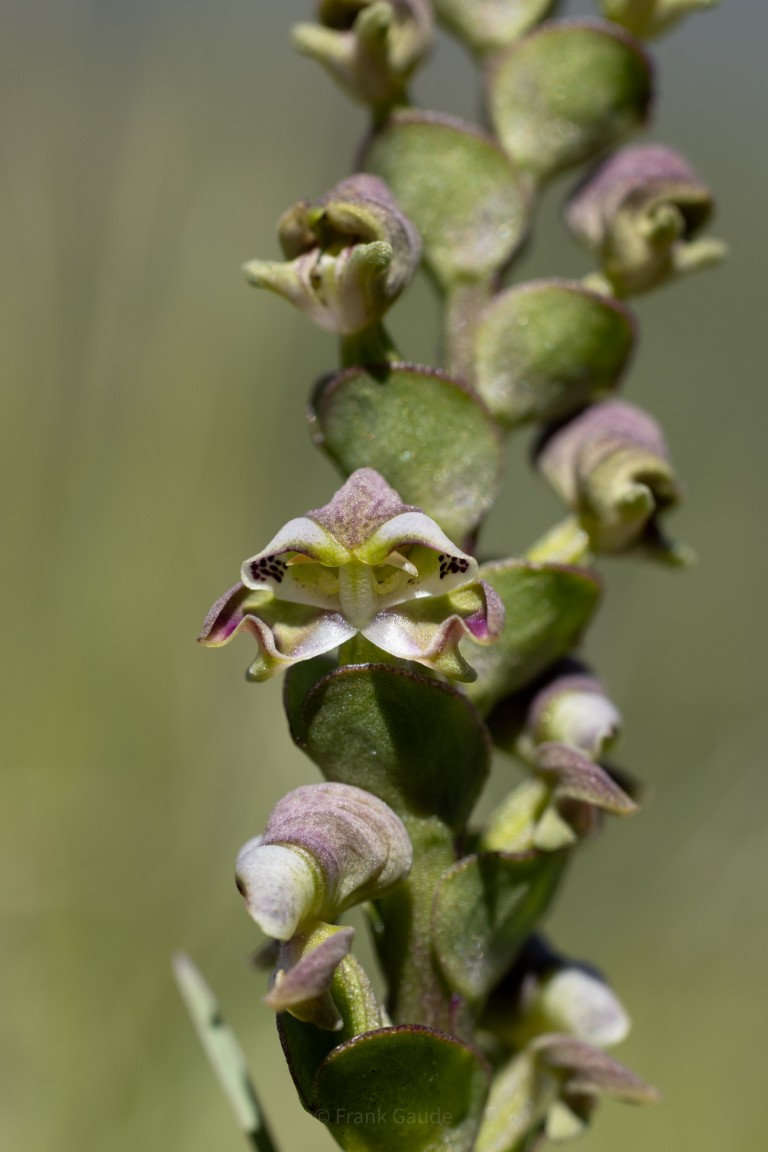
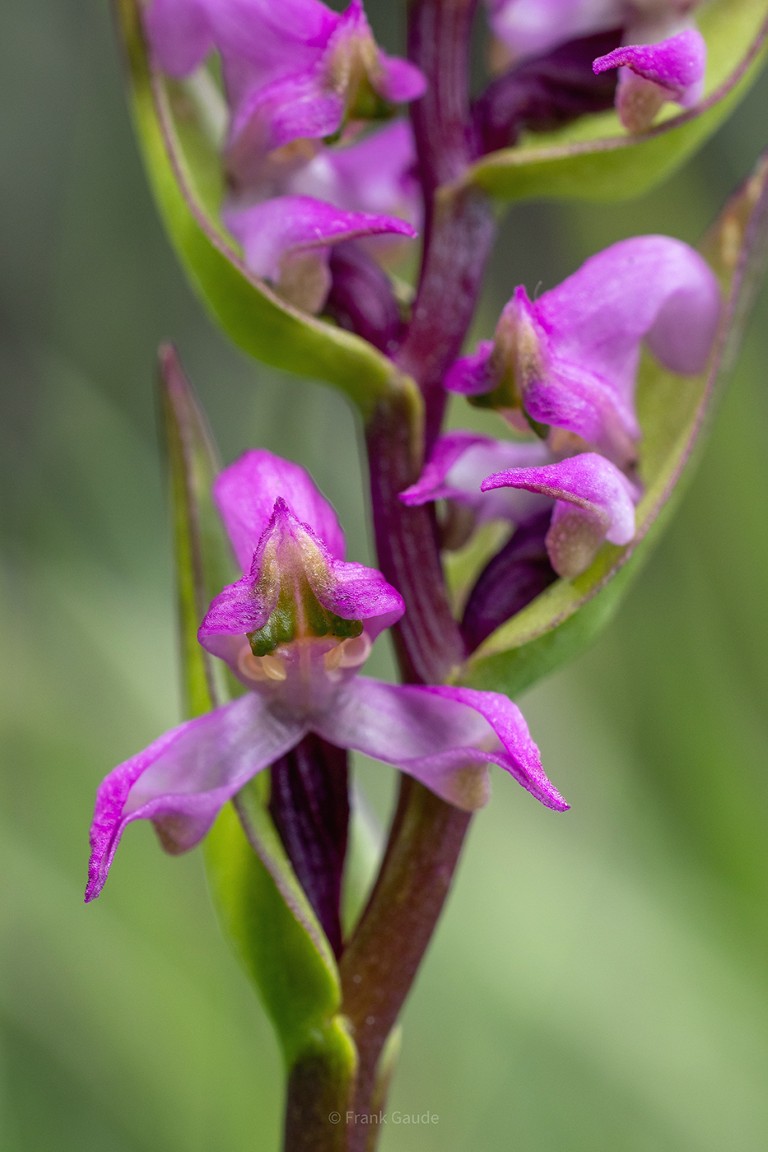
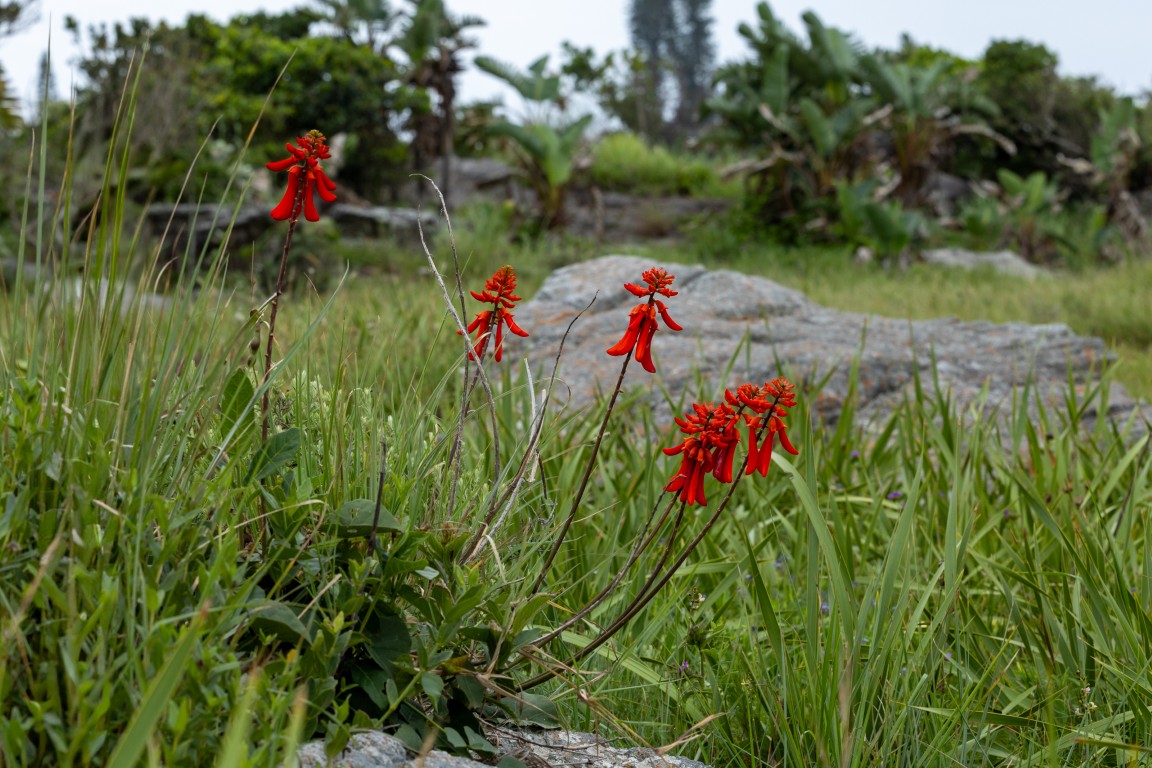
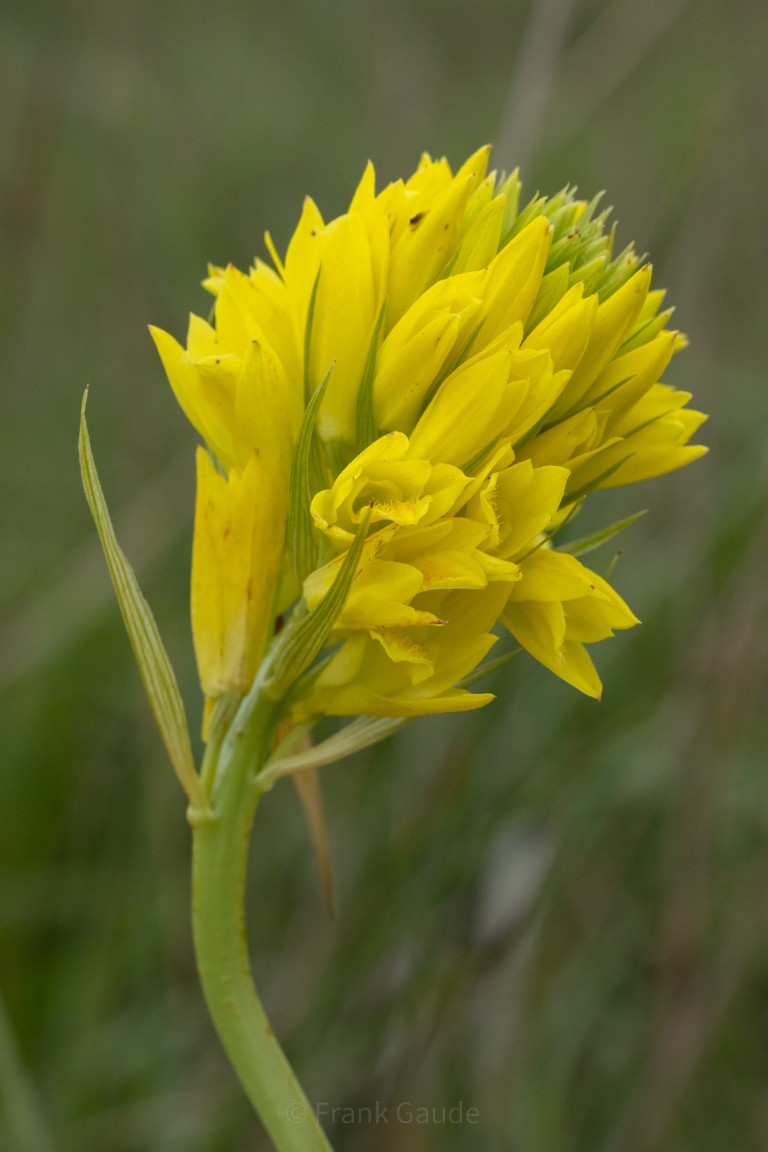
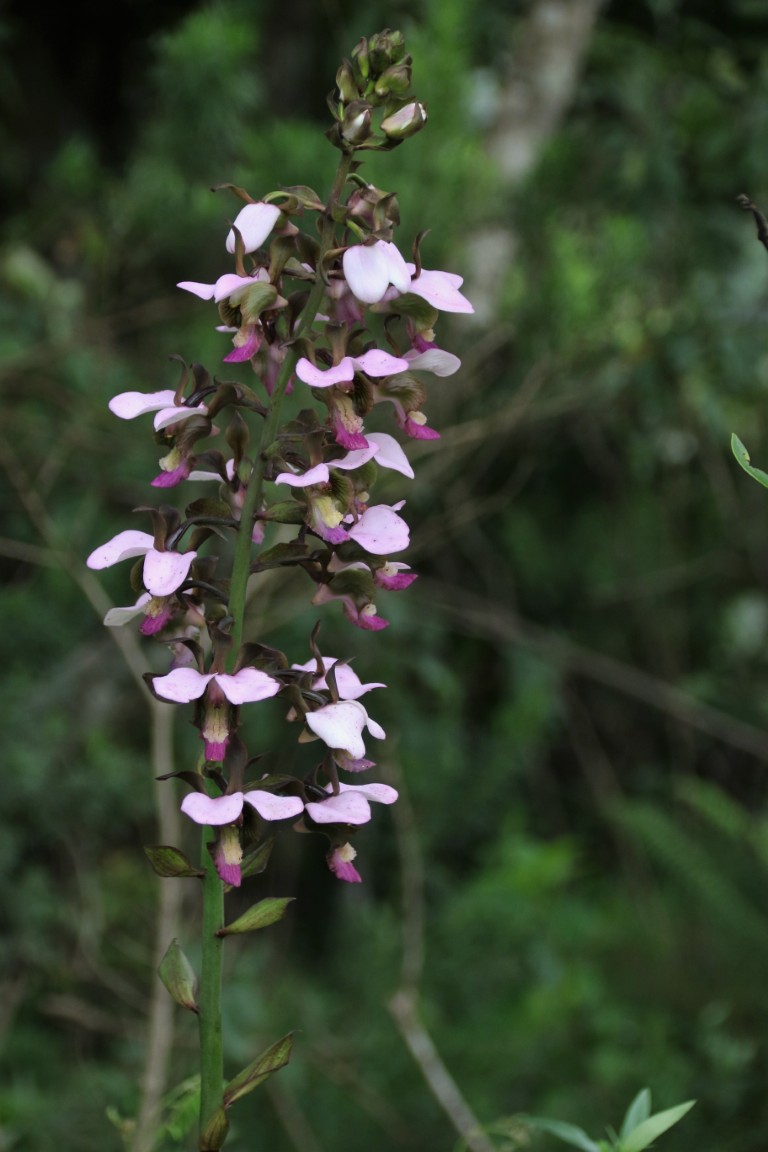
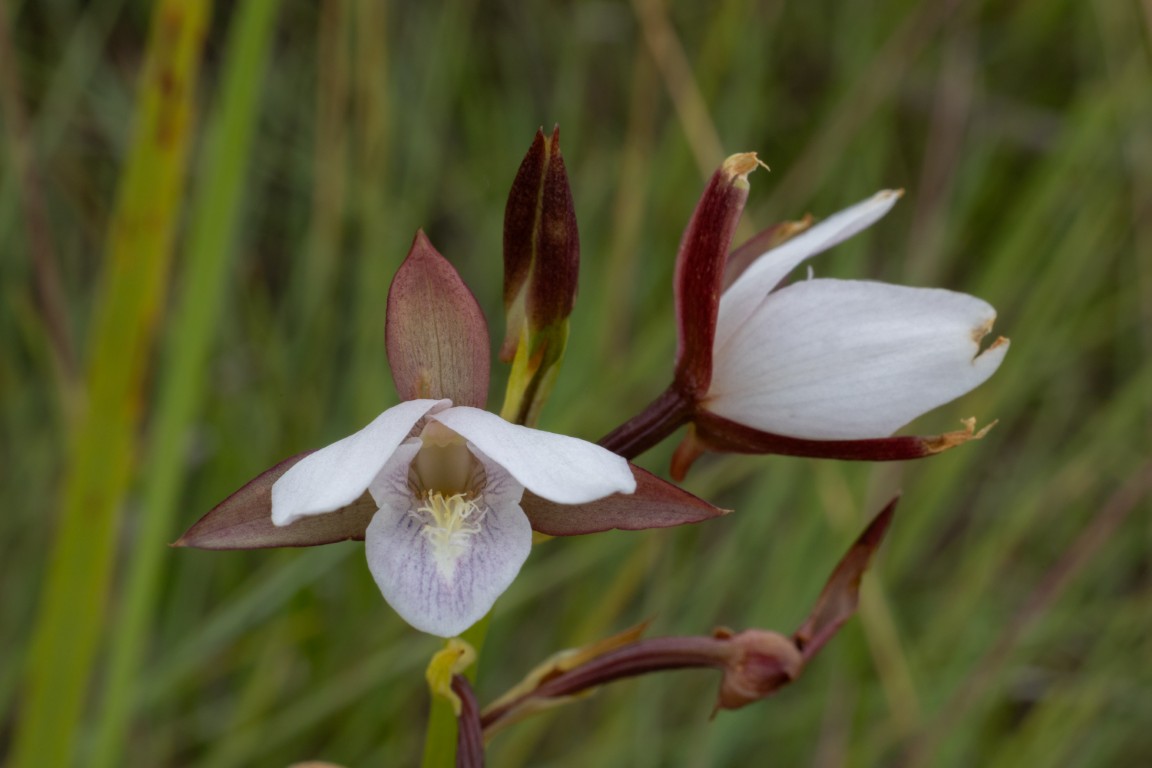
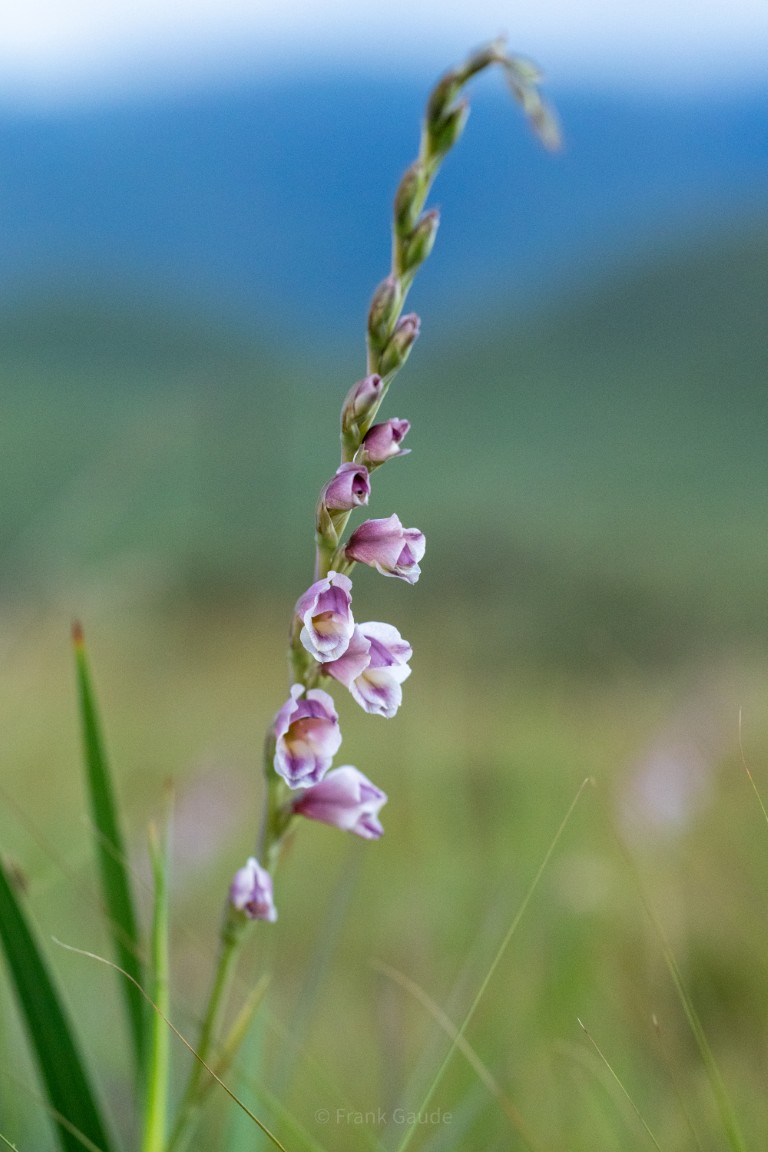
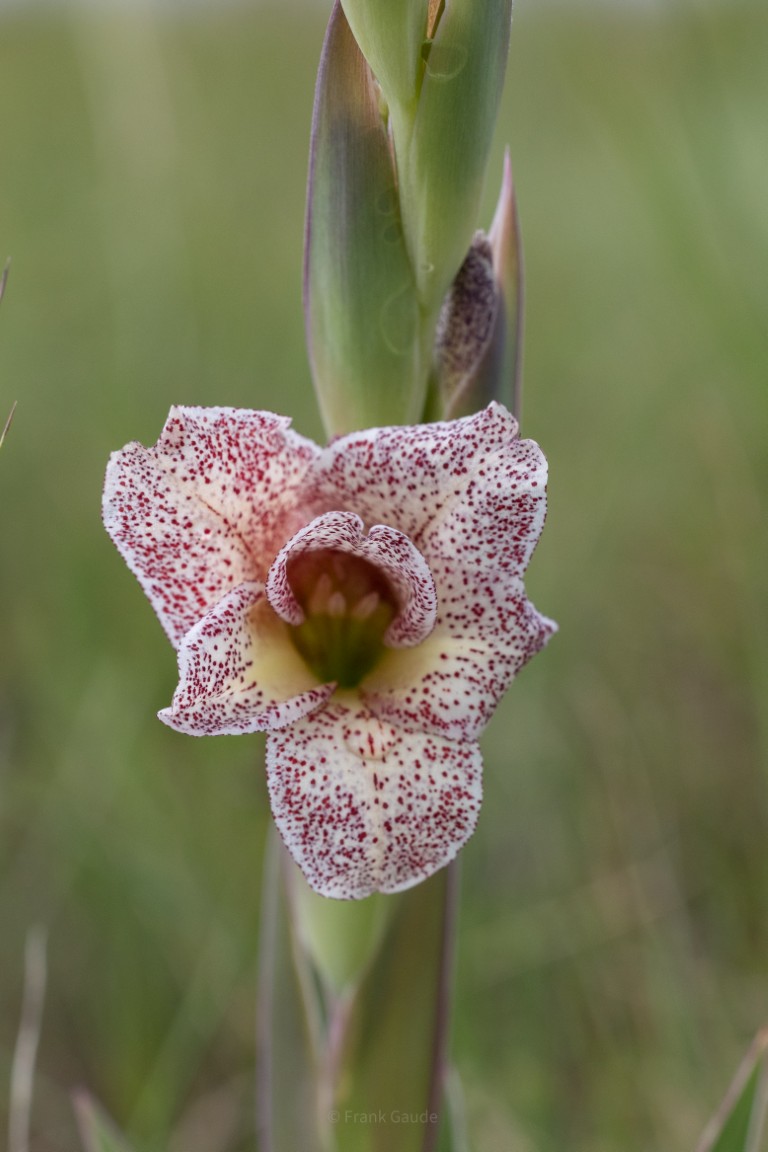
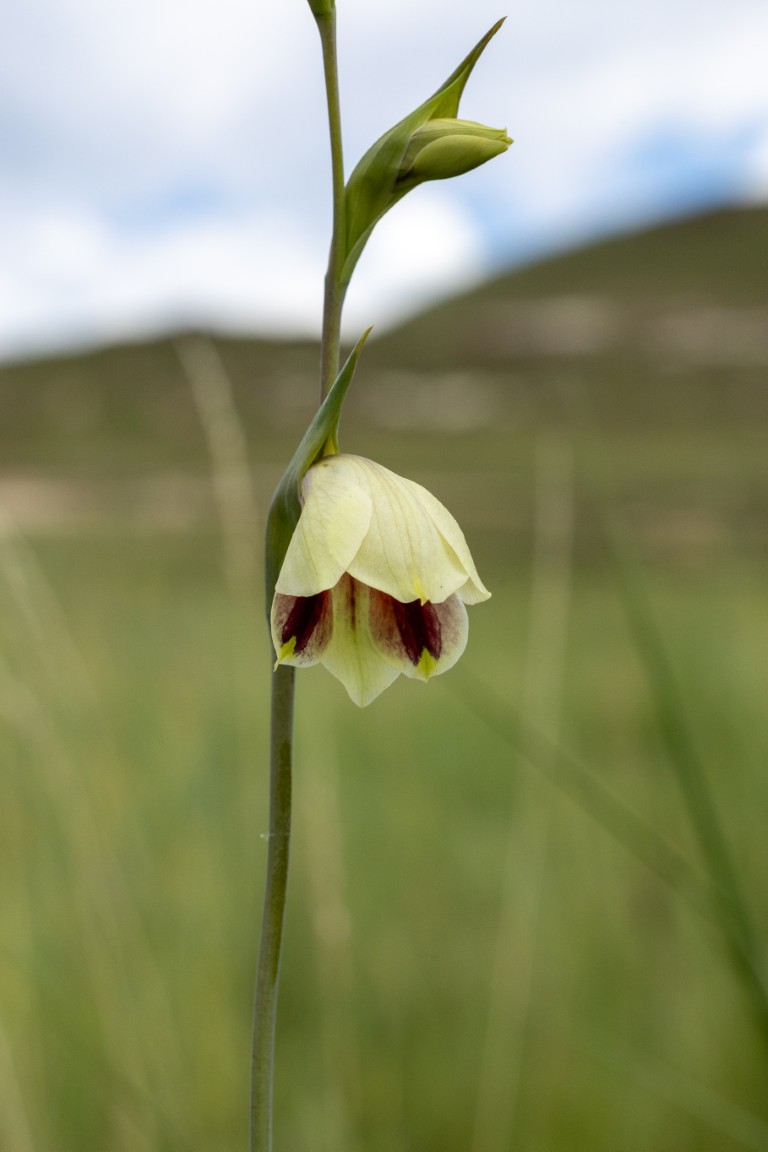
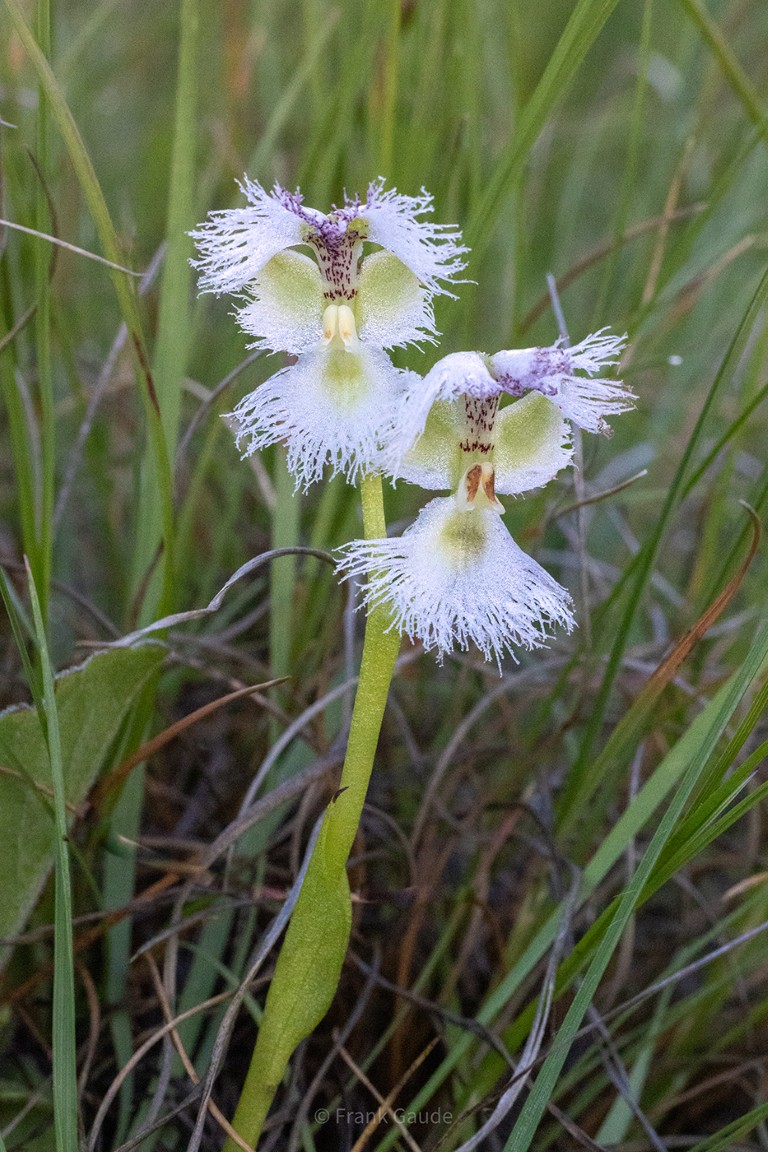
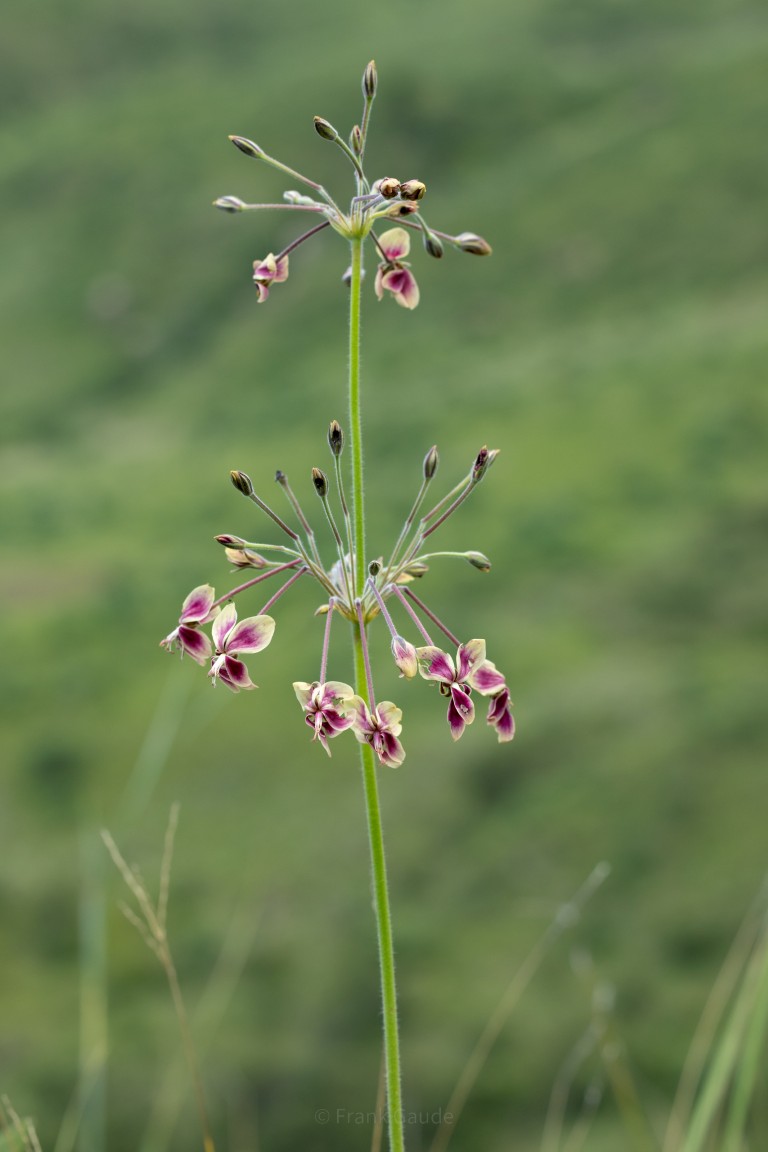
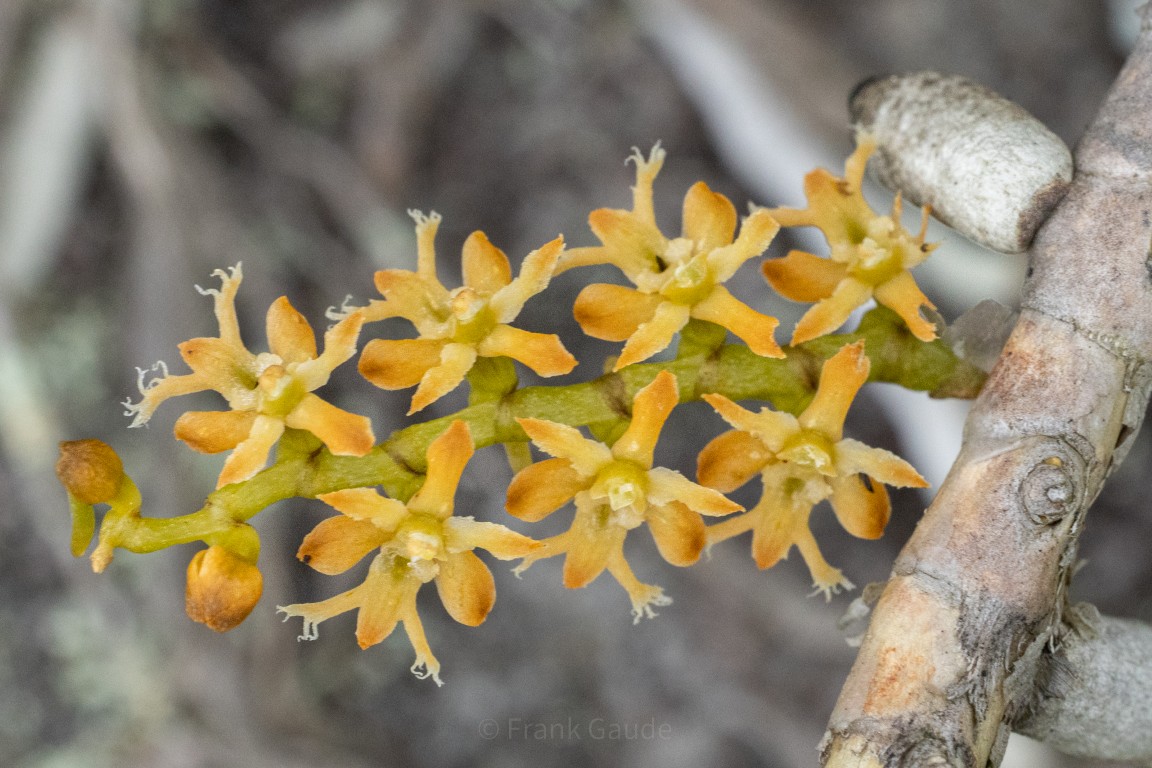
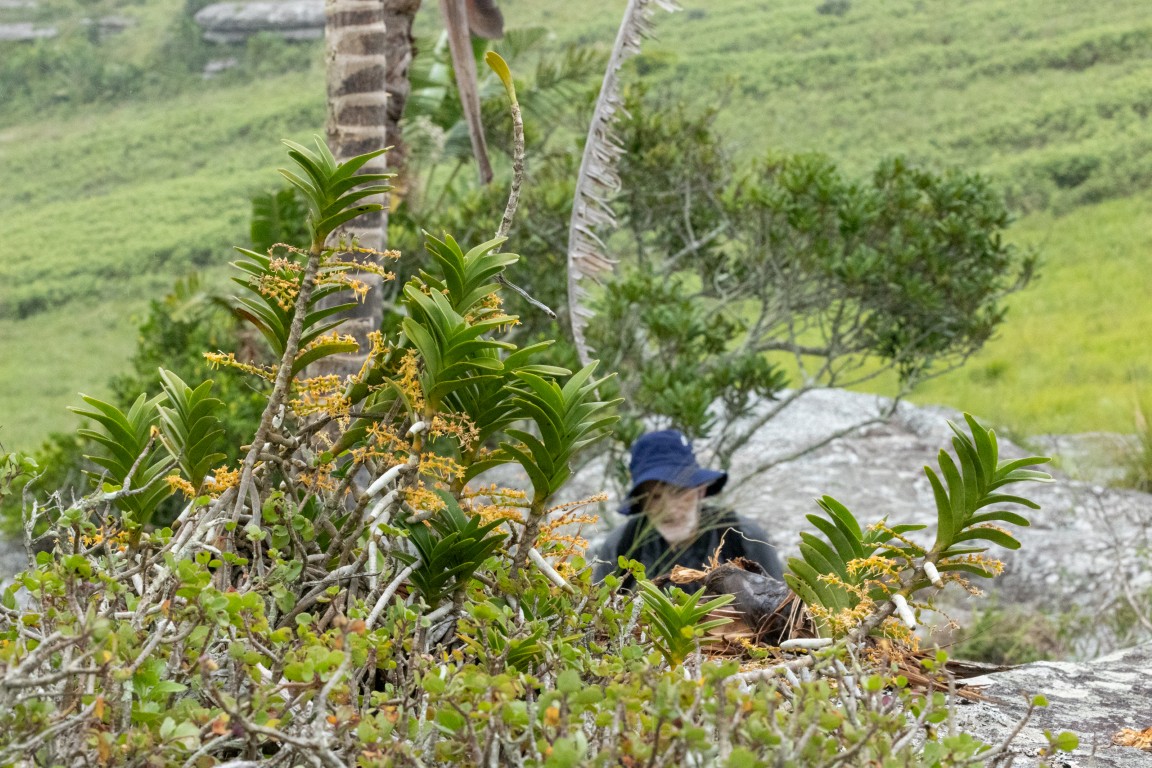
Endemic plants, including Agapanthus, Gladiolus, Dierama, Helichrysum, Erica and Proteas. Plus orchids such as Disperis, Disa and Satyrium
Drakensberg Crag Lizard, Southern Rock Agama and other extraordinary lizards
Sloggett’s ice rats, hyrax, antelope and zebra
Plenty of good birds, such as the Drakensberg Rockjumper, Grey-crowned Cranes, Southern Bald Ibis, Malachite and Greater Double-collared Sunbirds plus lots more!
Butterflies – such as Table Mountain Beauty, Pirate, & Yellow Pans